
Which specialist performs nasal cautery?
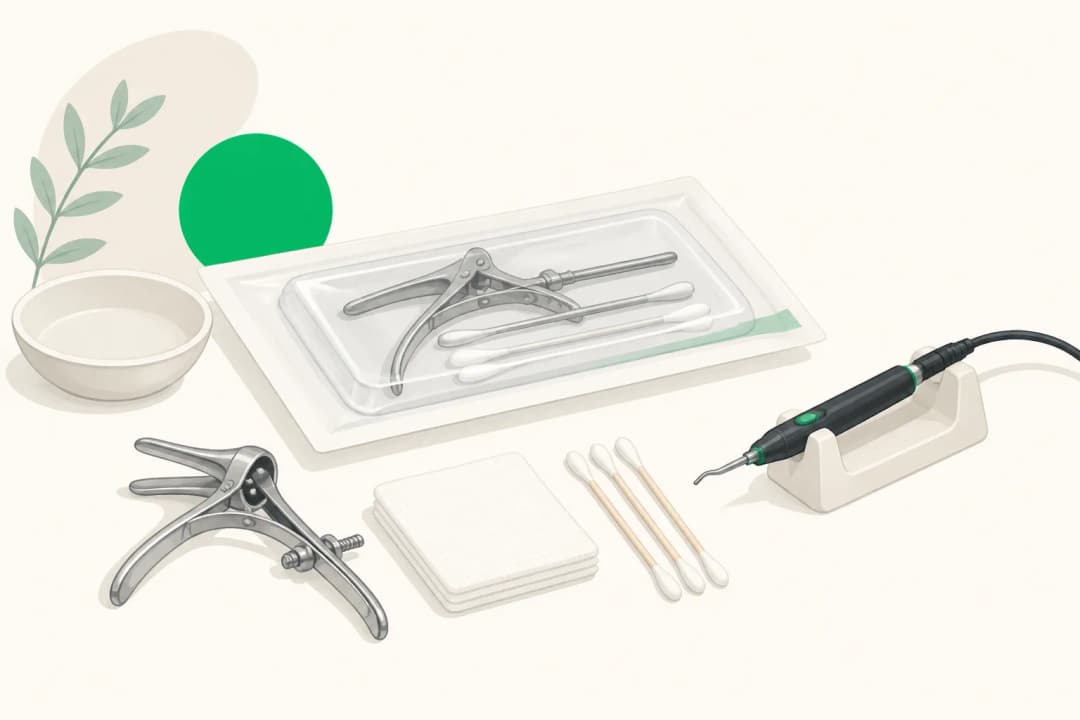
Short answer
A general practitioner can assess and perform some nasal cautery; an otolaryngologist, also called an ENT specialist, manages cases needing specialist examination.
This answers one question. It is not a diagnosis and does not replace an assessment by a licensed doctor.
At a glance
- Possible clinician
- General practitioner or ENT specialist
- Main purpose
- Seal a repeatedly bleeding point inside the nose
What this treatment involves
Nasal cautery treats a visible bleeding point inside the nose by sealing the small surface area that is repeatedly bleeding. A clinician first examines the nostril, asks about the pattern of nosebleeds, and considers medicines or health conditions that may affect bleeding. The procedure is usually focused on the front part of the nasal septum, where delicate blood vessels can be exposed to dryness or minor irritation.
An ENT specialist may be appropriate when the bleeding point cannot be seen, nosebleeds keep returning despite initial care, bleeding is difficult to control, or the examination suggests a deeper nasal problem. Referral does not by itself indicate a serious condition; it allows a more detailed nasal assessment.
How to arrange an assessment
Start with a general practitioner, who can review your history, examine the nose, and decide whether cautery is suitable. Mention how often the nosebleeds occur, which nostril is affected, how long they last, and whether you take blood-thinning medicine. Do not attempt to cauterise the nose yourself. Until assessed, avoid picking or forceful nose blowing, and follow any first-aid instructions given by your clinician.
When urgent care is needed
Seek urgent medical care if bleeding is heavy, continues despite firm pressure, follows a significant injury, causes weakness or faintness, or occurs with breathing difficulty. Sit upright, lean slightly forward, and pinch the soft part of the nose continuously while arranging help. Recurrent but controlled bleeding still deserves a routine assessment because the treatment depends on the location and likely trigger.
Questions for your doctor
Ask which area is bleeding, whether cautery is appropriate, whether an ENT referral is needed, and what nose care can reduce irritation afterward. You can also ask whether any prescribed or over-the-counter medicine could be contributing to the bleeding.
Find care
General Clinics & Polyclinics in Abu Dhabi
That answer is general. If you want it applied to your own case, these are licensed general clinics & polyclinics listed in Abu Dhabi.
27 Ar Ruwwad St - Shakhbout City - MSH4 - Abu Dhabi - United Arab Emirates
Accepts: Daman, Thiqa, Cigna, MetLife +20 more
Al Ruwais, Al Dhafrah
Accepts: Daman, Thiqa, AXA, Cigna +16 more
Al Bahyah - Al Bahyah Old - Abu Dhabi - United Arab Emirates
Accepts: Daman, Thiqa, Cigna, Allianz Care +18 more
Abu Dhabi
Accepts: Daman, Thiqa, AXA, Cigna +27 more
Ordered by verification status and how complete each clinic's public record is, then alphabetically. This is a directory listing, not a ranking — Zavis does not rate or recommend providers.
A factual listing drawn from the DHA, DOH and MOHAP licence registers. It is not a referral, an endorsement, or advice that any of these providers is right for you.
Questions people ask
Can a general practitioner perform nasal cautery?
Yes. A general practitioner may perform suitable cautery after examining the nose, or refer you to an ENT specialist when more detailed assessment is needed.
When is an ENT specialist more likely to be involved?
An ENT specialist may assess recurrent, difficult-to-control, unexplained, or deeper nasal bleeding.
Medical disclaimer. This page is general health information, not medical advice, and it cannot diagnose you. Always consult a licensed healthcare provider about your own symptoms and treatment. In an emergency in the UAE, call 998 for an ambulance.