
What should you know about whey protein and kidney stones?
Short answer
Whey protein does not automatically cause kidney stones, but concentrated protein supplements may matter when hydration is poor or you already have stone risk factors.
This answers one question. It is not a diagnosis and does not replace an assessment by a licensed doctor.
At a glance
- Key point
- A supplement does not confirm a kidney stone.
- Useful review
- Check hydration, ingredients and personal stone history.
How whey protein may fit in
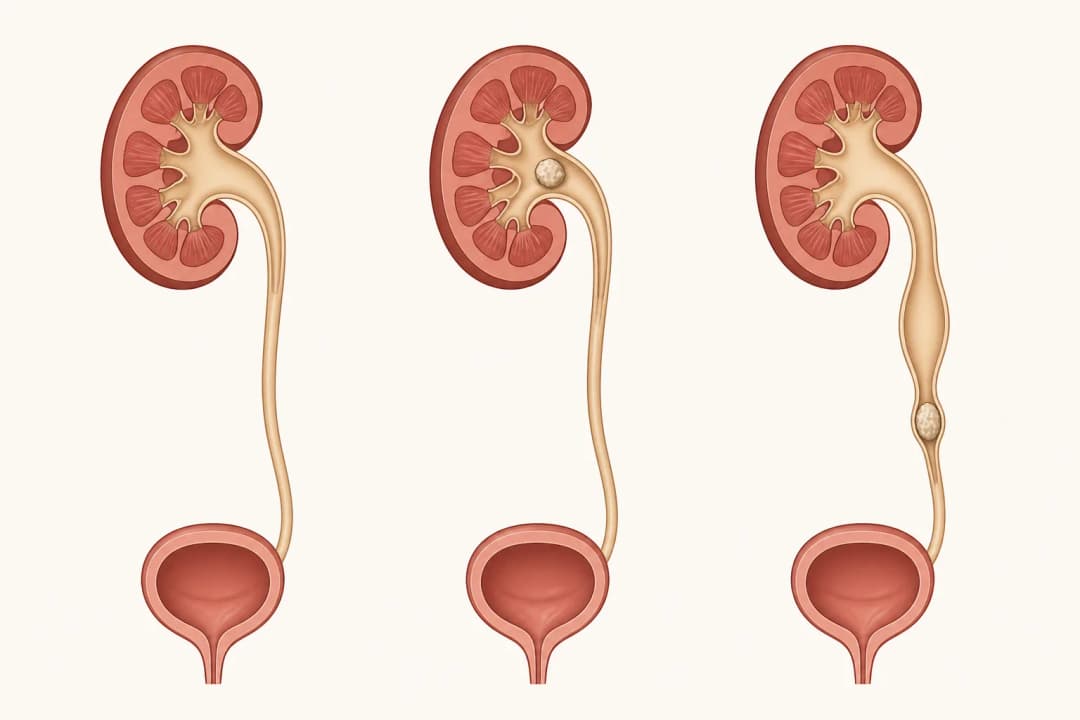
Kidney stones form when minerals in urine become concentrated and crystallise. A whey shake can add protein to the diet, while the wider pattern of fluid intake, salt, animal protein, body weight and personal history may influence stone risk. The powder itself does not prove that a stone is present. People with a previous stone, reduced kidney function or a medically restricted diet should review regular supplement use with a clinician. Read the label for added ingredients and avoid treating shakes as a replacement for ordinary fluids or balanced meals.
Practical next steps
Pause a new supplement if symptoms began after starting it and arrange a GP Consultation to discuss the timing, dose, other supplements and your medical history. Keep fluids available through the day unless a clinician has told you to restrict them; dehydration can make urine more concentrated. Do not start a high-dose supplement again simply because pain settles. A clinician may review urine or blood tests and decide whether imaging such as an Abdominal Ultrasound is appropriate. Kidney Stones information can help you understand the condition being assessed.
When to seek urgent care
Seek prompt medical assessment for severe or persistent Flank Pain, Abdominal Pain, fever, vomiting, blood in the urine, Painful Urination or Difficulty Passing Urine. Fever with suspected urinary blockage needs urgent attention. Do not assume that pain after exercise or a shake is harmless, especially if you have one functioning kidney, known kidney disease or a history of stones.
Questions for your doctor
Ask whether whey protein suits your kidney history, whether your fluid intake is adequate, and whether the product contains ingredients that should be avoided. You can also ask what symptoms should trigger reassessment and whether a dietary review or imaging is needed.
Find care
General Clinics & Polyclinics in Abu Dhabi
That answer is general. If you want it applied to your own case, these are licensed general clinics & polyclinics listed in Abu Dhabi.
27 Ar Ruwwad St - Shakhbout City - MSH4 - Abu Dhabi - United Arab Emirates
Accepts: Daman, Thiqa, Cigna, MetLife +20 more
Al Ruwais, Al Dhafrah
Accepts: Daman, Thiqa, AXA, Cigna +16 more
Al Bahyah - Al Bahyah Old - Abu Dhabi - United Arab Emirates
Accepts: Daman, Thiqa, Cigna, Allianz Care +18 more
Abu Dhabi
Accepts: Daman, Thiqa, AXA, Cigna +27 more
Ordered by verification status and how complete each clinic's public record is, then alphabetically. This is a directory listing, not a ranking — Zavis does not rate or recommend providers.
A factual listing drawn from the DHA, DOH and MOHAP licence registers. It is not a referral, an endorsement, or advice that any of these providers is right for you.
Questions people ask
Should you stop whey protein if you have had a kidney stone?
Discuss the product and amount with a clinician before continuing, particularly if stones have recurred or kidney function is reduced.
Can dehydration contribute to kidney stone risk?
Dehydration can concentrate urine, so maintaining an appropriate fluid intake is part of a broader prevention plan.
Related
Related reading
Keep reading
Medical disclaimer. This page is general health information, not medical advice, and it cannot diagnose you. Always consult a licensed healthcare provider about your own symptoms and treatment. In an emergency in the UAE, call 998 for an ambulance.