
What causes leaking urine?
Short answer
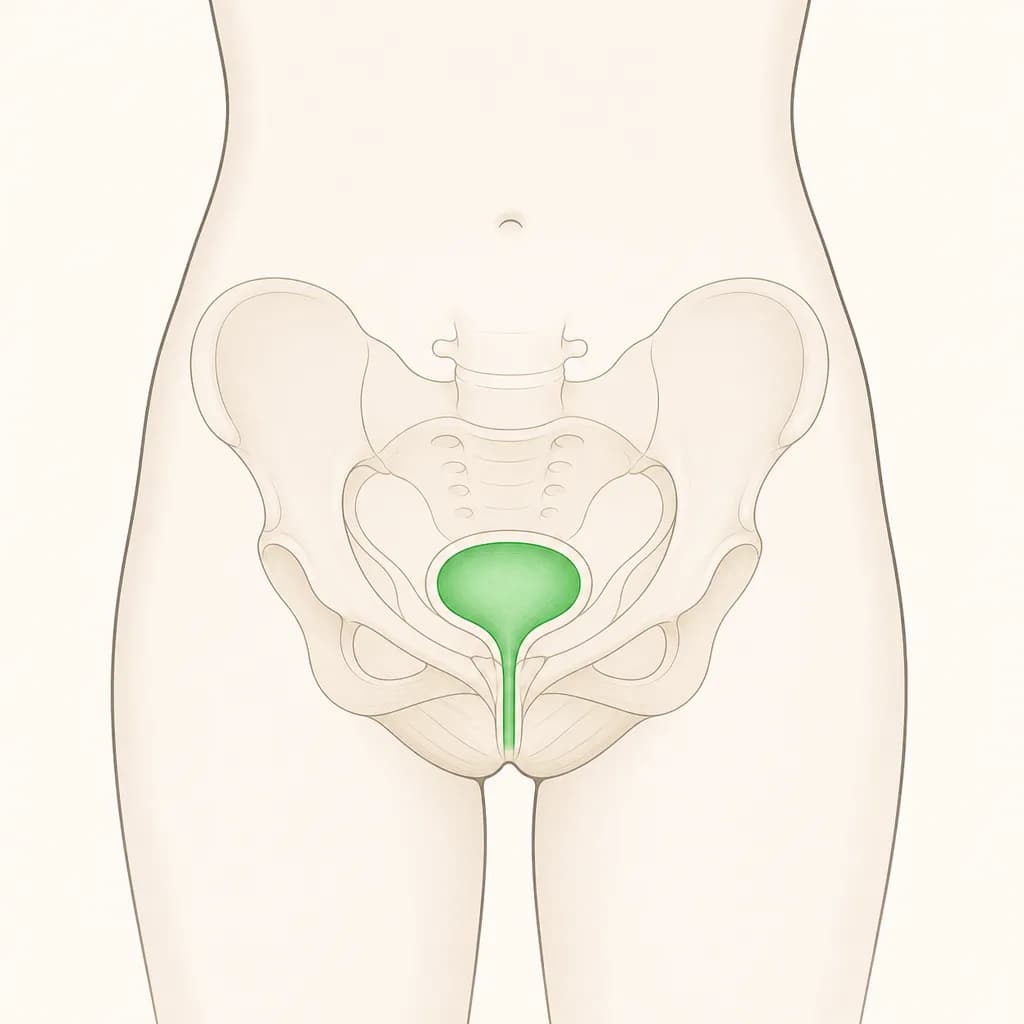
Leaking urine can result from weakened pelvic floor support, bladder urgency, pregnancy and birth, infection, prolapse, or pressure from coughing and exercise.
This answers one question. It is not a diagnosis and does not replace an assessment by a licensed doctor.
At a glance
- Pressure leaks
- Often occur with cough, sneeze, laugh or exercise
- Urgency leaks
- Follow a sudden need to urinate
Different leakage patterns
Stress urinary incontinence causes leaks when coughing, sneezing, laughing, lifting or exercising increases pressure on the bladder. Urgency leakage happens when a sudden, difficult-to-delay need to urinate is followed by a leak; an Overactive Bladder can drive this pattern. Mixed leakage combines stress and urgency features.
Pregnancy, vaginal birth, pelvic surgery and hormonal changes can affect pelvic floor muscles and the support around the urethra. Pelvic Floor Dysfunction may involve muscles that are weak, poorly coordinated or too tense. A Pelvic Organ Prolapse can change bladder emptying and cause leakage or a feeling of pressure. Burning, frequency and cloudy urine may point to infection.
Helpful next steps
Keep a short bladder diary with drinks, toilet visits, urgency, activities and leakage. Do not sharply restrict fluids; concentrated urine can irritate the bladder. A clinician or pelvic health physiotherapist can assess technique, muscle control and the leakage pattern. Postnatal Physiotherapy may help when symptoms follow pregnancy or birth.
Treatment is tailored to the cause. Bladder Training can help urgency by gradually changing toilet habits. If stress leakage continues despite conservative care, a clinician may discuss options such as a Mid-Urethral Sling, including expected benefits and risks.
When to seek care
Arrange an assessment for new, persistent or worsening leakage, trouble emptying the bladder, recurrent infections or a vaginal bulge. Seek urgent help for inability to pass urine, blood in the urine with severe pain, fever with flank pain, new leg weakness or loss of bowel control.
Questions for your doctor
Ask which leakage pattern fits your symptoms, whether a urine test or pelvic examination is needed, and how pelvic floor treatment should be performed. Discuss bladder diary findings, pregnancy history and when a surgical opinion would be appropriate.
Find care
General Clinics & Polyclinics in Abu Dhabi
That answer is general. If you want it applied to your own case, these are licensed general clinics & polyclinics listed in Abu Dhabi.
27 Ar Ruwwad St - Shakhbout City - MSH4 - Abu Dhabi - United Arab Emirates
Accepts: Daman, Thiqa, Cigna, MetLife +20 more
Al Ruwais, Al Dhafrah
Accepts: Daman, Thiqa, AXA, Cigna +16 more
Al Bahyah - Al Bahyah Old - Abu Dhabi - United Arab Emirates
Accepts: Daman, Thiqa, Cigna, Allianz Care +18 more
Abu Dhabi
Accepts: Daman, Thiqa, AXA, Cigna +27 more
Ordered by verification status and how complete each clinic's public record is, then alphabetically. This is a directory listing, not a ranking — Zavis does not rate or recommend providers.
A factual listing drawn from the DHA, DOH and MOHAP licence registers. It is not a referral, an endorsement, or advice that any of these providers is right for you.
Questions people ask
Is urine leakage common after childbirth?
Pelvic floor and urethral support can change after pregnancy or birth, so leakage should be assessed if it persists or bothers you.
Can leaking urine be treated?
Yes. Treatment may include pelvic floor support, bladder training, medicines or procedures, depending on the cause.
Related
Related reading
Keep reading
Medical disclaimer. This page is general health information, not medical advice, and it cannot diagnose you. Always consult a licensed healthcare provider about your own symptoms and treatment. In an emergency in the UAE, call 998 for an ambulance.