
Third cholera pandemic
Updated
Short answer
The third cholera pandemic was a historical cholera outbreak period in which contaminated water and severe fluid loss shaped public-health and medical practice.
This answers one question. It is not a diagnosis and does not replace an assessment by a licensed doctor.
At a glance
- Main danger
- Rapid loss of water and salts
- Early action
- Start oral rehydration if able to drink
- Prevention
- Safe water and handwashing
Why this historical event matters
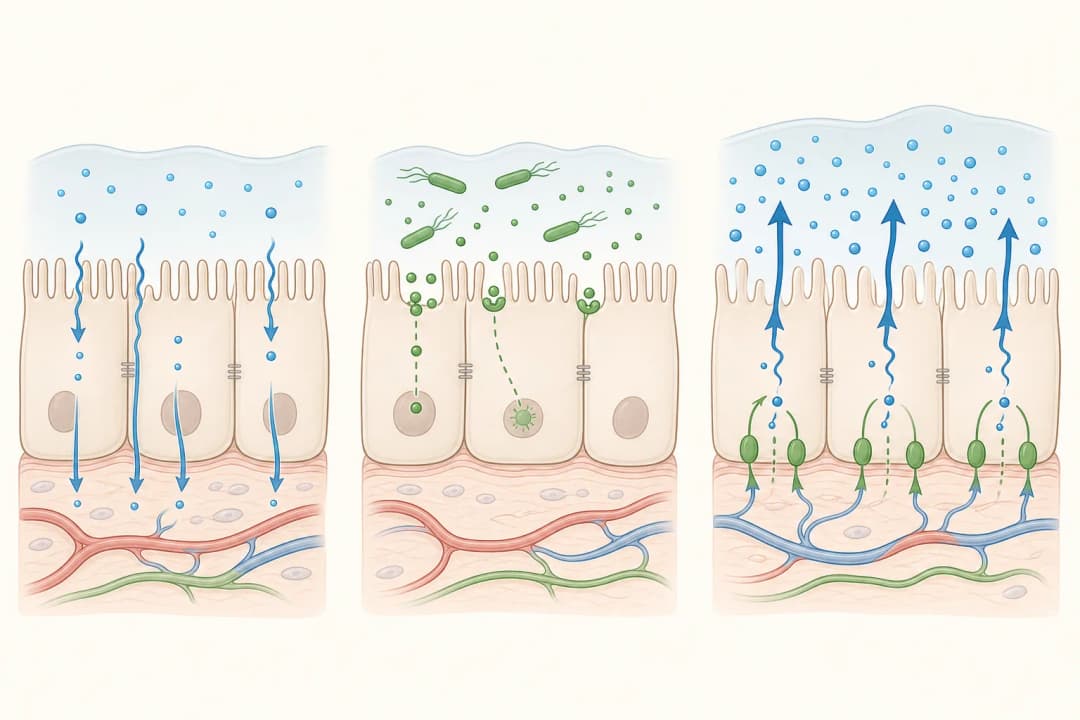
Cholera is an intestinal infection that can spread when food or water is contaminated with the bacterium that causes it. The illness may produce sudden watery diarrhoea and vomiting. The main immediate danger is loss of water and salts, which can lead to dehydration, shock, and death without prompt treatment. Historical cholera pandemics exposed the connection between sanitation, safe water, waste disposal, and community health.
The treatment lesson
For suspected cholera today, begin oral rehydration solution if the person is awake and able to drink, following the product instructions. Continue offering small, frequent amounts and seek medical care promptly. Severe dehydration may require IV fluid therapy. Handwashing with soap, safe drinking water, cooked food, and careful disposal of stools reduce spread. Do not rely on plain water alone when diarrhoea is substantial because lost salts also need replacement.
When urgent care is needed
Seek urgent medical help for profuse watery diarrhoea, repeated vomiting, very little urine, extreme thirst, dizziness, confusion, unusual sleepiness, a fast heartbeat, or cold hands and feet. Young children, older adults, pregnant people, and anyone with another serious illness can deteriorate quickly. Keep drinking oral rehydration solution while arranging care if swallowing is safe, and tell clinicians about travel, unsafe water, or other affected household members.
Questions for your doctor
Could this diarrhoea require testing or treatment? How should oral rehydration solution be prepared and given? What signs of dehydration should my household watch for, and should close contacts receive public-health advice?
Find care
General Clinics & Polyclinics in Dubai
That answer is general. If you want it applied to your own case, these are licensed general clinics & polyclinics listed in Dubai.
The Court Residence, 39B Street, Jumeirah 1, Dubai
Accepts: Tabby, Tamara
Elite Business Bay Residence - Shop 03 & 04, 34 Marasi Dr - Business Bay - Dubai - United Arab Emirates
Accepts: Tabby
Airport View Building, Al Garhoud, Dubai
Accepts: Daman, Thiqa, AXA, Cigna +25 more
IBIS Building, 5th Floor, Unit 5003, Deira, Dubai
Accepts: AXA, Cigna, MetLife, Allianz Care +18 more
Ordered by verification status and how complete each clinic's public record is, then alphabetically. This is a directory listing, not a ranking — Zavis does not rate or recommend providers.
A factual listing drawn from the UAE health regulators' public licence registers. It is not a referral, an endorsement, or advice that any of these providers is right for you.
Questions people ask
Why is cholera dangerous?
Severe diarrhoea and vomiting can remove water and salts quickly, causing dehydration and shock without prompt rehydration.
What is the role of IV fluid therapy?
IV fluids can replace fluid rapidly when dehydration is severe or a person cannot drink enough safely.
Related
Related reading
Keep reading
Medical disclaimer. This page is general health information, not medical advice, and it cannot diagnose you. Always consult a licensed healthcare provider about your own symptoms and treatment. In an emergency in the UAE, call 998 for an ambulance.