
Solar urticaria prevention: reducing light-triggered flares
Short answer
Solar urticaria prevention means reducing triggering light exposure, covering exposed skin, and following an individual treatment plan.
This answers one question. It is not a diagnosis and does not replace an assessment by a licensed doctor.
At a glance
- Core measure
- Cover skin and reduce triggering light
- Useful record
- Note exposure, timing, body area, and symptoms
Why prevention can be challenging
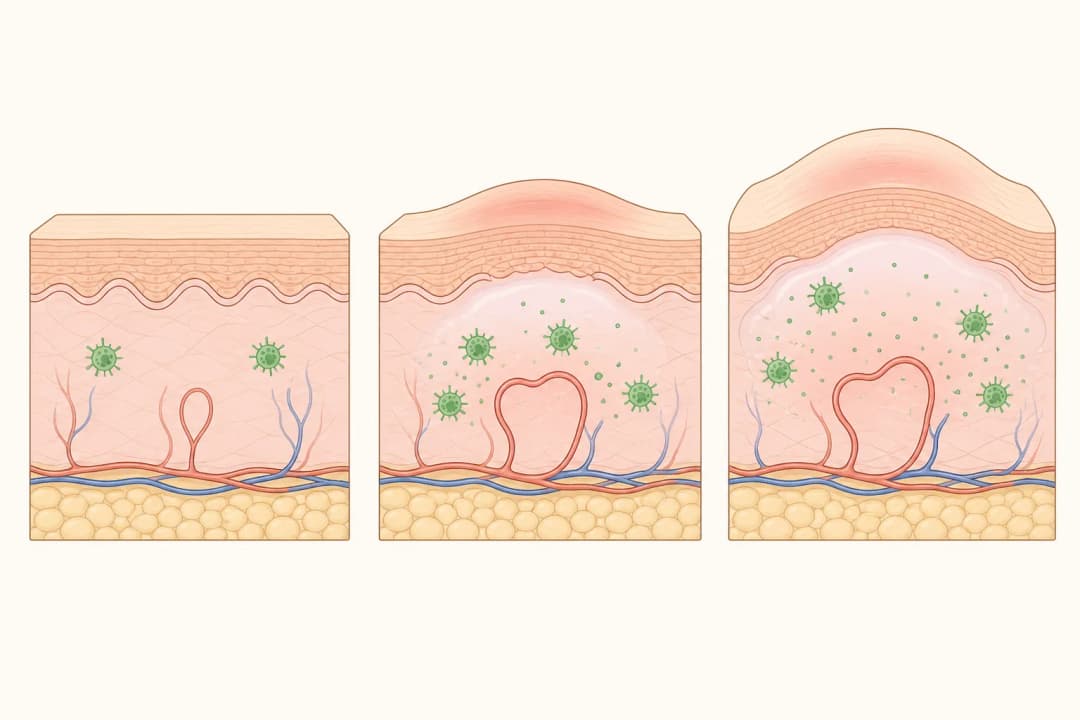
Solar urticaria may react to daylight or a particular part of the light spectrum, so ordinary shade does not always provide the same protection as opaque clothing. The face, neck, hands, and other uncovered areas are common places to notice a flare. A diary can reveal whether symptoms follow outdoor time, window light, or a lamp. Your clinician can also check whether a medicine or skincare ingredient is increasing sensitivity. Hives can include itch and raised patches, while deeper swelling needs separate attention.
Practical protection
Use a wide-brimmed hat, tightly woven clothing, and shade when appropriate. Apply a broad-spectrum sunscreen that your skin tolerates, but do not rely on sunscreen alone if visible light is a trigger. Introduce new products cautiously and stop any product that causes burning or a new rash. Keep prescribed treatment available as directed. An oral antihistamine may be part of a clinician-led plan; do not change the dose or combine medicines without advice.
When prevention is not enough
Book a medical review if flares continue despite protection, occur with minimal exposure, or limit work, travel, or outdoor activities. Get emergency help for tongue or throat swelling, breathing difficulty, faintness, or trouble swallowing. Rapid facial swelling also warrants urgent assessment, especially if it is spreading or accompanied by other symptoms.
Questions to bring
Ask what light source is most relevant, whether your sunscreen and medicines are suitable, how to protect skin behind glass, and what to do if a flare begins despite your precautions.
Find care
General Clinics & Polyclinics in Abu Dhabi
That answer is general. If you want it applied to your own case, these are licensed general clinics & polyclinics listed in Abu Dhabi.
27 Ar Ruwwad St - Shakhbout City - MSH4 - Abu Dhabi - United Arab Emirates
Accepts: Daman, Thiqa, Cigna, MetLife +20 more
Al Ruwais, Al Dhafrah
Accepts: Daman, Thiqa, AXA, Cigna +16 more
Al Bahyah - Al Bahyah Old - Abu Dhabi - United Arab Emirates
Accepts: Daman, Thiqa, Cigna, Allianz Care +18 more
Abu Dhabi
Accepts: Daman, Thiqa, AXA, Cigna +27 more
Ordered by verification status and how complete each clinic's public record is, then alphabetically. This is a directory listing, not a ranking — Zavis does not rate or recommend providers.
A factual listing drawn from the DHA, DOH and MOHAP licence registers. It is not a referral, an endorsement, or advice that any of these providers is right for you.
Questions people ask
Is sunscreen enough to prevent solar urticaria?
Not always. Some people react to light that sunscreen does not fully block, so clothing and shade may also be needed.
Should I avoid all outdoor activity?
Not necessarily. A personalised plan can identify safer timing, clothing, shade, and treatment options for necessary activities.
Related
Related reading
Keep reading
Medical disclaimer. This page is general health information, not medical advice, and it cannot diagnose you. Always consult a licensed healthcare provider about your own symptoms and treatment. In an emergency in the UAE, call 998 for an ambulance.