
What should you know about sleep deprivation postpartum depression?
Short answer
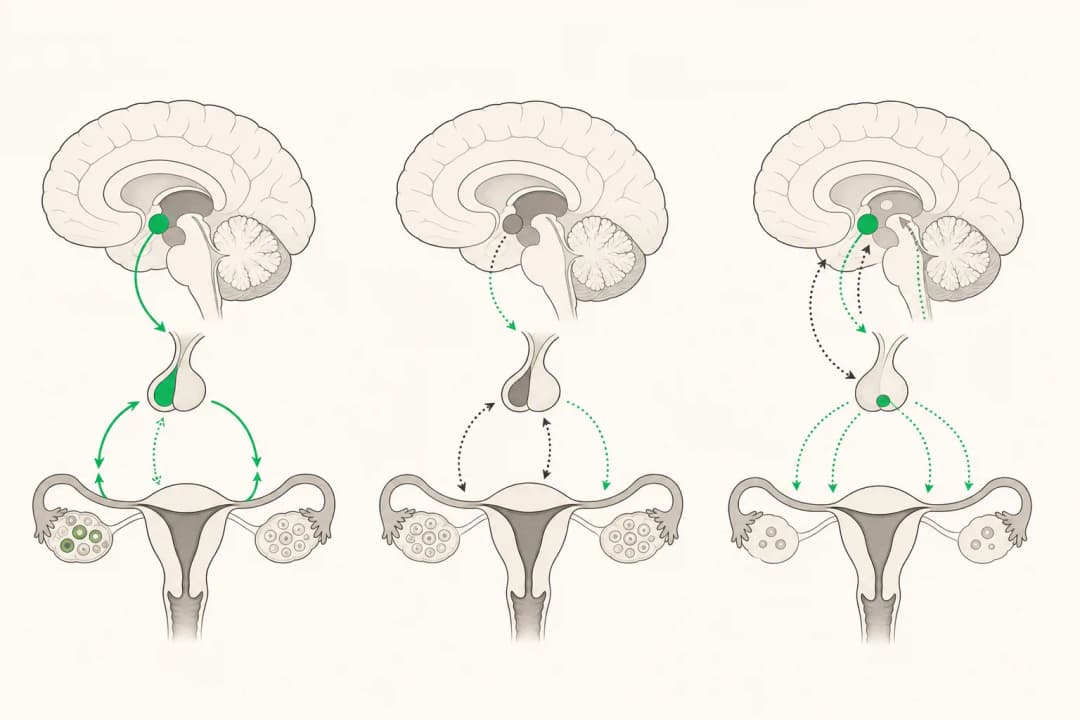
Sleep deprivation can worsen low mood, anxiety, irritability, and concentration after birth, while postnatal depression can also make sleep difficult even when the baby is resting.
This answers one question. It is not a diagnosis and does not replace an assessment by a licensed doctor.
At a glance
- Can interact
- Sleep loss and low mood can intensify each other
- Support
- Assessment can include practical, psychological, and medical options
How sleep and mood interact
Broken nights are common after a baby arrives, but persistent exhaustion can reduce emotional resilience and make ordinary tasks feel unmanageable. Postnatal depression may involve sadness, emptiness, guilt, loss of enjoyment, worry, withdrawal, or difficulty bonding. Some people feel unable to sleep despite having an opportunity, while others sleep for long periods and still feel depleted.
Sleep loss alone does not prove postnatal depression. Low mood after birth is a symptom of postnatal depression, and assessment considers the pattern, intensity, duration, and effect on daily life.
Practical next steps
Tell a trusted person and contact a healthcare professional if low mood or distress is continuing, worsening, or interfering with caring for yourself. Ask for a protected period of rest while someone safe helps with the baby, feeds, or household tasks. Keep food, water, prescribed medicines, and a phone within reach when you are exhausted.
A clinician can assess mood, anxiety, sleep, physical recovery, and safety, then discuss talking therapy, medication, practical support, or a combination. Perinatal mental health support can be arranged even if you are unsure whether your symptoms meet a diagnosis.
When to seek urgent help
Seek urgent help now if you are thinking about harming yourself or the baby, feel unable to keep either of you safe, hear or see things others do not, feel unusually energised with little need for sleep, or become severely confused or suspicious. Contact local emergency services or go to an emergency department, and do not stay alone while waiting for help.
Questions for your doctor
Could my sleep and mood symptoms be postnatal depression or another condition? What support is available at home? Which treatments are compatible with breastfeeding if relevant? How can we make a safety plan? Who should I contact outside appointments if symptoms suddenly worsen?
Find care
General Clinics & Polyclinics in Abu Dhabi
That answer is general. If you want it applied to your own case, these are licensed general clinics & polyclinics listed in Abu Dhabi.
27 Ar Ruwwad St - Shakhbout City - MSH4 - Abu Dhabi - United Arab Emirates
Accepts: Daman, Thiqa, Cigna, MetLife +20 more
Al Ruwais, Al Dhafrah
Accepts: Daman, Thiqa, AXA, Cigna +16 more
Al Bahyah - Al Bahyah Old - Abu Dhabi - United Arab Emirates
Accepts: Daman, Thiqa, Cigna, Allianz Care +18 more
Abu Dhabi
Accepts: Daman, Thiqa, AXA, Cigna +27 more
Ordered by verification status and how complete each clinic's public record is, then alphabetically. This is a directory listing, not a ranking — Zavis does not rate or recommend providers.
A factual listing drawn from the DHA, DOH and MOHAP licence registers. It is not a referral, an endorsement, or advice that any of these providers is right for you.
Questions people ask
Is poor sleep after birth always postnatal depression?
No. Sleep disruption is common after birth, but persistent low mood, loss of enjoyment, anxiety, or unsafe thoughts need assessment.
Can postnatal depression affect sleep when the baby sleeps?
Yes. Depression may cause difficulty falling asleep, staying asleep, or feeling rested despite an opportunity to rest.
Related
Related reading
Keep reading
Medical disclaimer. This page is general health information, not medical advice, and it cannot diagnose you. Always consult a licensed healthcare provider about your own symptoms and treatment. In an emergency in the UAE, call 998 for an ambulance.