
Scar therapy silicone sheets: what to know
Short answer
Scar therapy silicone sheets provide a protective silicone layer over healed scars and may improve firmness, texture, and itch.
This answers one question. It is not a diagnosis and does not replace an assessment by a licensed doctor.
At a glance
- May support
- Smoother feel, reduced itch, and less firmness
- Before use
- The wound must be fully closed and dry
Silicone as scar therapy
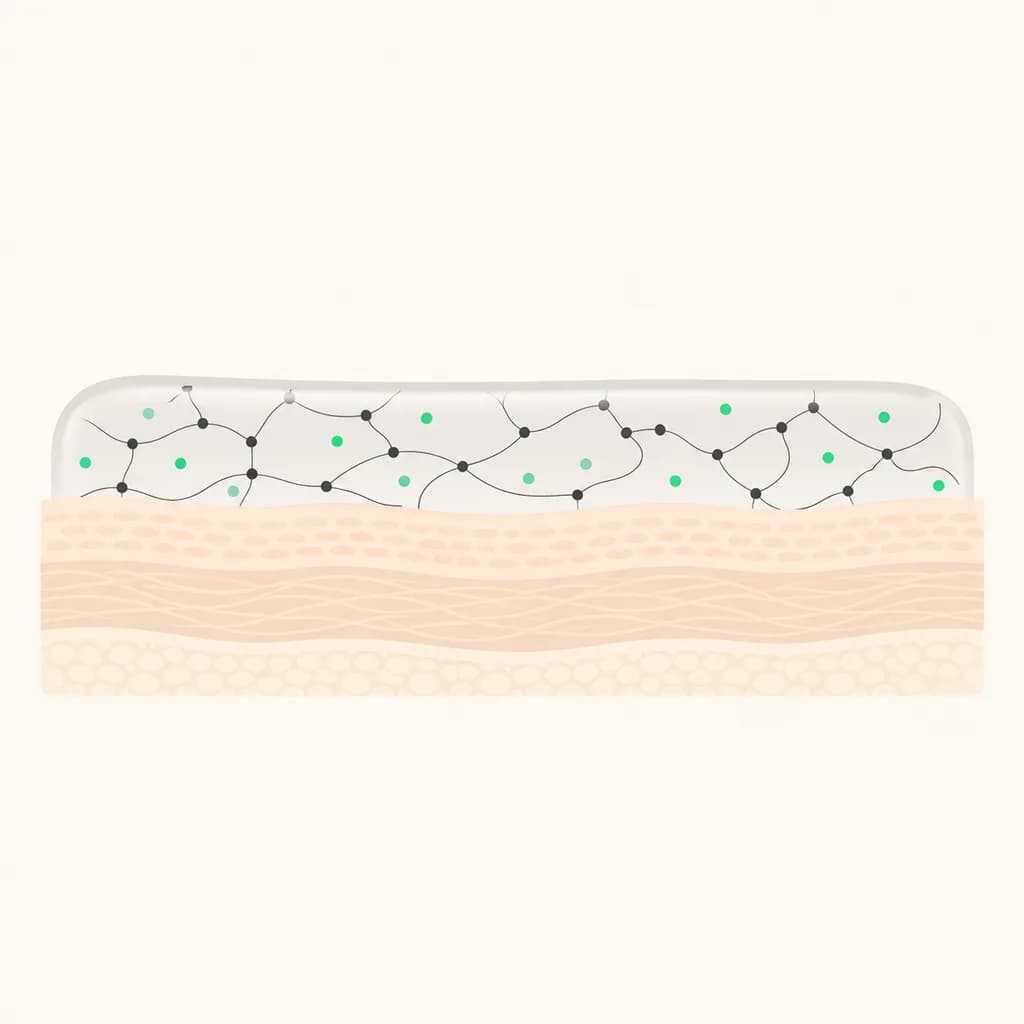
A silicone sheet covers a mature or maturing scar with a flexible layer. It can reduce dryness and friction while the scar settles, which may make the tissue feel smoother or less itchy. Silicone is supportive care: it does not remove the scar or replace treatment for a wound that has not closed.
Suitability depends on the scar's thickness, colour, location, and sensitivity. A sheet may be awkward over a bend, hair-bearing skin, or an area exposed to sweat, so a clinician can help select a practical approach.
Building a safe routine
Place the sheet on clean, dry, fully healed skin and follow its instructions for wear, washing, and storage. Start cautiously if the skin reacts easily. Remove the sheet to inspect the scar and keep both surfaces clean; moisture trapped underneath can irritate the surrounding skin.
Avoid applying silicone over an open area, scab, blister, rash, or active infection. Sun protection remains useful because scar colour can change with exposure. If symptoms or tightness continue, a dermatologist can consider other approaches, including Scar Revision Surgery when appropriate.
When to seek an assessment
Get medical advice for increasing pain, warmth, swelling, spreading redness, discharge, or wound reopening. Seek review if a scar's tightness limits movement or if itching is persistent despite removing possible irritants. A new or fast-changing area should be examined rather than managed only with a sheet.
Questions for your doctor
Ask whether silicone is appropriate now, how to combine it with massage or moisturiser, and what reaction requires a pause. Ask which change to track and when the scar should be reviewed if therapy does not improve comfort or flexibility.
Find care
General Clinics & Polyclinics in Abu Dhabi
That answer is general. If you want it applied to your own case, these are licensed general clinics & polyclinics listed in Abu Dhabi.
27 Ar Ruwwad St - Shakhbout City - MSH4 - Abu Dhabi - United Arab Emirates
Accepts: Daman, Thiqa, Cigna, MetLife +20 more
Al Ruwais, Al Dhafrah
Accepts: Daman, Thiqa, AXA, Cigna +16 more
Al Bahyah - Al Bahyah Old - Abu Dhabi - United Arab Emirates
Accepts: Daman, Thiqa, Cigna, Allianz Care +18 more
Abu Dhabi
Accepts: Daman, Thiqa, AXA, Cigna +27 more
Ordered by verification status and how complete each clinic's public record is, then alphabetically. This is a directory listing, not a ranking — Zavis does not rate or recommend providers.
A factual listing drawn from the DHA, DOH and MOHAP licence registers. It is not a referral, an endorsement, or advice that any of these providers is right for you.
Questions people ask
Is silicone therapy appropriate for every scar?
No. It is generally considered for healed scars, but location, skin condition, and scar behaviour determine whether it is suitable.
Can I keep using a sheet through irritation?
No. Remove it and seek advice if irritation persists, blisters appear, or redness spreads.
Related
Related reading
Keep reading
Medical disclaimer. This page is general health information, not medical advice, and it cannot diagnose you. Always consult a licensed healthcare provider about your own symptoms and treatment. In an emergency in the UAE, call 998 for an ambulance.