
What should you know about recent cholera outbreak?
Short answer
During a cholera outbreak, prompt rehydration and medical assessment are essential because fluid loss can become severe quickly.
This answers one question. It is not a diagnosis and does not replace an assessment by a licensed doctor.
At a glance
- Main danger
- Rapid loss of water and salts
- First response
- Begin oral rehydration and arrange medical advice
The short answer
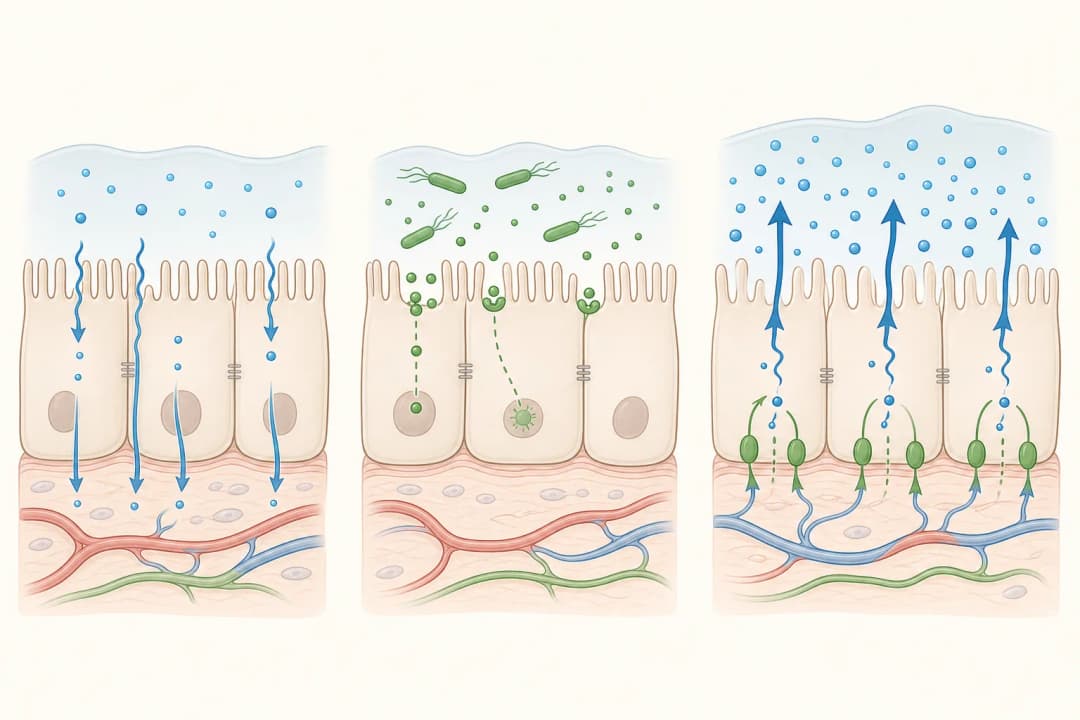
During a cholera outbreak, prompt rehydration and medical assessment are essential because fluid loss can become severe quickly. Cholera is an infection that can produce profuse watery diarrhoea, vomiting, thirst, weakness, and signs of dehydration. Local public-health advice matters because exposure risks and available services vary by outbreak.
What cholera involves
The infection is usually acquired through contaminated water or food. Severe diarrhoea removes water and salts from the body, which can affect circulation and kidney function. A person may deteriorate even when abdominal pain is limited. Cholera cannot be confirmed from symptoms alone, and other causes of diarrhoea are possible, so a healthcare professional may arrange testing and treatment based on the situation.
What to do now
Start Oral Rehydration Therapy according to the product instructions and take frequent small sips, especially after each loose stool. Keep drinking while arranging medical advice. Use safe water, wash hands with soap, clean toilets and high-touch surfaces, and avoid preparing food for others while ill. Do not rely on anti-diarrhoeal medicines or leftover antibiotics without clinical advice. Severe fluid loss may require IV Fluid Therapy in a medical facility.
When to seek urgent care
Seek urgent medical care for very frequent watery diarrhoea, repeated vomiting, inability to drink, faintness, confusion, extreme weakness, a very dry mouth, little or no urine, or cold hands and feet. Children, older adults, pregnant people, and anyone with a chronic illness can become dehydrated quickly. Tell the service that cholera exposure or an outbreak may be relevant.
Questions for your doctor
Ask whether testing is needed, which rehydration product to use, how to monitor urine and alertness, whether household contacts need advice, and which local infection-control instructions apply.
Find care
General Clinics & Polyclinics in Abu Dhabi
That answer is general. If you want it applied to your own case, these are licensed general clinics & polyclinics listed in Abu Dhabi.
27 Ar Ruwwad St - Shakhbout City - MSH4 - Abu Dhabi - United Arab Emirates
Accepts: Daman, Thiqa, Cigna, MetLife +20 more
Al Ruwais, Al Dhafrah
Accepts: Daman, Thiqa, AXA, Cigna +16 more
Al Bahyah - Al Bahyah Old - Abu Dhabi - United Arab Emirates
Accepts: Daman, Thiqa, Cigna, Allianz Care +18 more
Abu Dhabi
Accepts: Daman, Thiqa, AXA, Cigna +27 more
Ordered by verification status and how complete each clinic's public record is, then alphabetically. This is a directory listing, not a ranking — Zavis does not rate or recommend providers.
A factual listing drawn from the DHA, DOH and MOHAP licence registers. It is not a referral, an endorsement, or advice that any of these providers is right for you.
Questions people ask
Can cholera be treated?
Yes. Rapid replacement of fluids and salts is central, with additional treatment chosen by a clinician.
Can tap water be used during an outbreak?
Follow local public-health guidance; use water confirmed safe or treat it as advised.
Related
Related reading
Keep reading
Medical disclaimer. This page is general health information, not medical advice, and it cannot diagnose you. Always consult a licensed healthcare provider about your own symptoms and treatment. In an emergency in the UAE, call 998 for an ambulance.