
What should you know about pulmonary amoebiasis?
Short answer
Pulmonary amoebiasis is an uncommon lung infection that needs medical assessment and targeted treatment.
This answers one question. It is not a diagnosis and does not replace an assessment by a licensed doctor.
At a glance
- Cause
- Entamoeba histolytica parasite
- Possible sites
- Intestine, liver and lungs
- Assessment
- Examination, imaging and laboratory tests
What pulmonary amoebiasis means
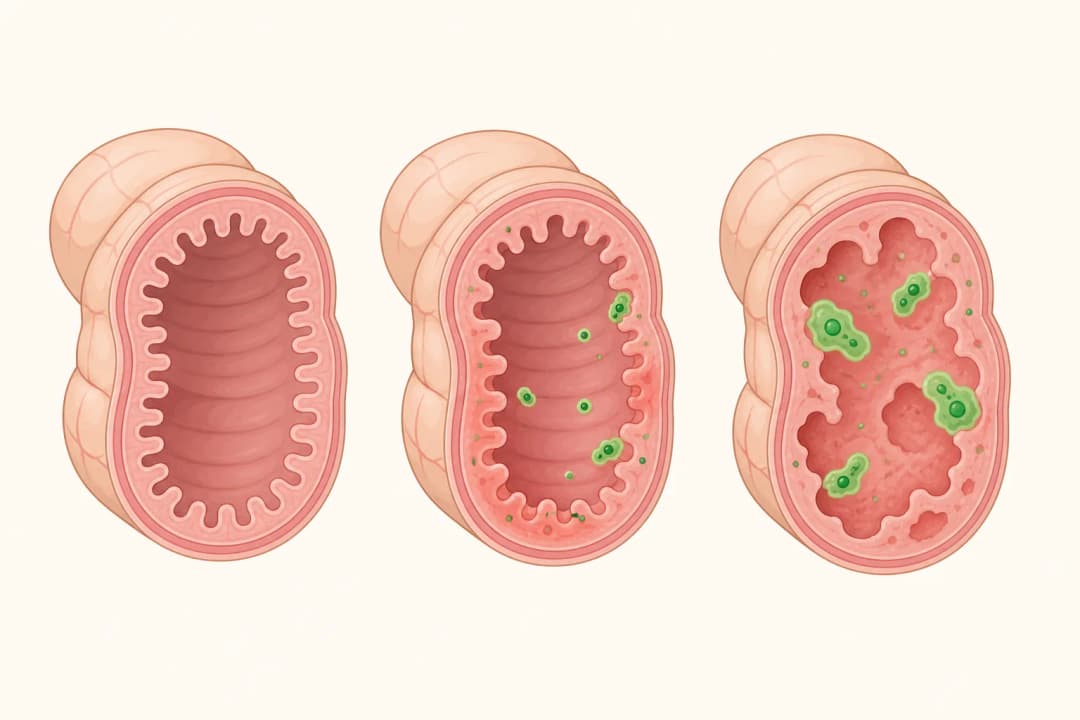
Amoebiasis is caused by the parasite Entamoeba histolytica. It usually affects the intestine, but infection can extend through nearby organs and involve the chest. Lung involvement may cause inflammation, fluid or an abscess, so symptoms can resemble other chest infections. Possible features include cough, fever, chest discomfort, breathlessness, or coughing up blood. Some people also have diarrhoea or abdominal pain, while others have no obvious bowel symptoms. A clinician may ask about recent illness, travel, food and water exposure, and previous liver or intestinal symptoms.
What to do next
Arrange a prompt clinical review if pulmonary amoebiasis is suspected. Assessment may include an examination, chest imaging and laboratory tests on blood, stool or respiratory material. Treatment is prescribed according to the suspected site and severity of infection; it may include an amoeba-directed medicine and treatment for a secondary bacterial infection when clinically indicated. Do not start leftover antibiotics or stop prescribed treatment early. Drink fluids if you can, follow food and water hygiene advice, and tell the clinician about every medicine you take.
When to seek urgent care
Seek emergency help for severe or rapidly worsening breathlessness, blue or grey lips, confusion, fainting, heavy coughing of blood, or intense chest pain. A high fever with marked weakness, inability to keep fluids down, or signs of dehydration also warrants urgent assessment. These warning signs need immediate attention regardless of whether the cause is amoebiasis.
Questions for your doctor
Ask what findings support pulmonary amoebiasis, whether the intestine or liver may also be involved, which tests are needed, how long treatment should continue, and which symptoms should trigger an earlier review.
Find care
General Clinics & Polyclinics in Abu Dhabi
That answer is general. If you want it applied to your own case, these are licensed general clinics & polyclinics listed in Abu Dhabi.
27 Ar Ruwwad St - Shakhbout City - MSH4 - Abu Dhabi - United Arab Emirates
Accepts: Daman, Thiqa, Cigna, MetLife +20 more
Al Ruwais, Al Dhafrah
Accepts: Daman, Thiqa, AXA, Cigna +16 more
Al Bahyah - Al Bahyah Old - Abu Dhabi - United Arab Emirates
Accepts: Daman, Thiqa, Cigna, Allianz Care +18 more
Abu Dhabi
Accepts: Daman, Thiqa, AXA, Cigna +27 more
Ordered by verification status and how complete each clinic's public record is, then alphabetically. This is a directory listing, not a ranking — Zavis does not rate or recommend providers.
A factual listing drawn from the DHA, DOH and MOHAP licence registers. It is not a referral, an endorsement, or advice that any of these providers is right for you.
Questions people ask
Is pulmonary amoebiasis the same as ordinary pneumonia?
No. It can look like pneumonia, but the cause is different and testing is needed to guide treatment.
Can bowel symptoms occur with lung involvement?
Yes. Diarrhoea or abdominal symptoms may occur, although chest symptoms can be the main reason for seeking care.
Related
Related reading
Keep reading
Medical disclaimer. This page is general health information, not medical advice, and it cannot diagnose you. Always consult a licensed healthcare provider about your own symptoms and treatment. In an emergency in the UAE, call 998 for an ambulance.