
What should you know about pulley ceramic bearing?
Short answer
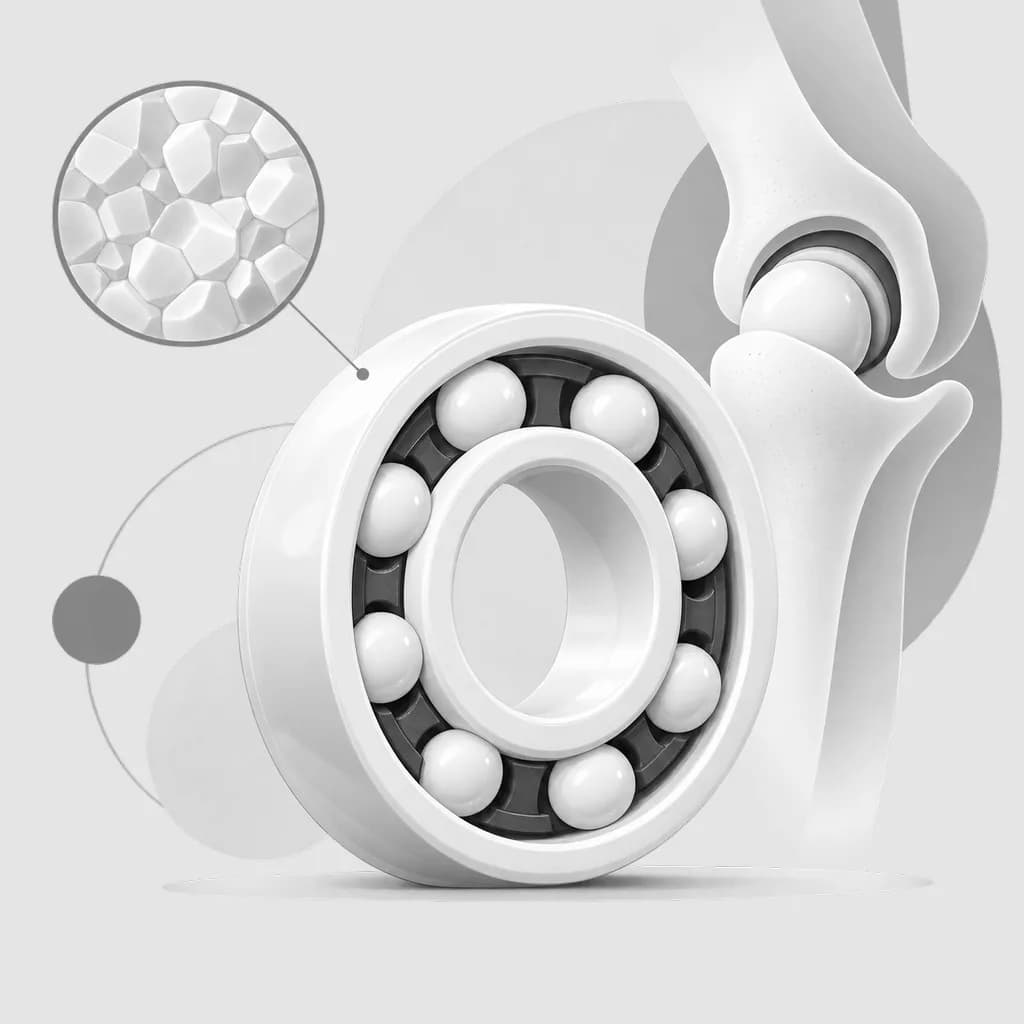
A pulley ceramic bearing is a smooth, hard component designed to support rotation and reduce friction where a pulley mechanism guides movement.
This answers one question. It is not a diagnosis and does not replace an assessment by a licensed doctor.
At a glance
- Purpose
- Support rotation and limit friction between moving surfaces
- What determines suitability
- Design, fit, loading and surrounding tissues
- After treatment
- Follow movement limits and rehabilitation instructions
What the term means
A bearing sits between moving parts so they can rotate with less rubbing. Ceramic materials are hard and resistant to surface wear, but the value of a ceramic bearing depends on its design, fit, load, lubrication and the surrounding parts. The word pulley may refer to a surgical tendon-pulley system or to a component in an orthopaedic device, so the exact context matters. A material name alone does not show whether a device is appropriate for a particular joint or person.
What to discuss before treatment
Ask the treating specialist to identify the device or procedure, explain what the bearing contacts, and describe the expected movement after treatment. Discuss alternatives, material compatibility, cleaning or maintenance needs, and how the design affects rehabilitation. Follow the prescribed movement limits after a procedure; too much loading too soon may irritate healing tissues, while prolonged unnecessary protection can cause stiffness. Keep the product name and implant details available for future appointments.
When to seek care
Contact the clinical team promptly if a treated joint or hand becomes increasingly painful, swollen, hot, unstable or difficult to move. Fever, wound drainage, a sudden change in alignment, locking, or new numbness needs prompt assessment. Do not try to adjust, lubricate or remove a medical device yourself. The specialist can distinguish device-related concerns from normal post-treatment soreness by examining movement and the surrounding tissues.
Questions for your doctor
Ask why this bearing was selected, what material surrounds it, how long restrictions last, which symptoms are expected, and who should be contacted if movement or pain changes.
Find care
General Clinics & Polyclinics in Abu Dhabi
That answer is general. If you want it applied to your own case, these are licensed general clinics & polyclinics listed in Abu Dhabi.
27 Ar Ruwwad St - Shakhbout City - MSH4 - Abu Dhabi - United Arab Emirates
Accepts: Daman, Thiqa, Cigna, MetLife +20 more
Al Ruwais, Al Dhafrah
Accepts: Daman, Thiqa, AXA, Cigna +16 more
Al Bahyah - Al Bahyah Old - Abu Dhabi - United Arab Emirates
Accepts: Daman, Thiqa, Cigna, Allianz Care +18 more
Abu Dhabi
Accepts: Daman, Thiqa, AXA, Cigna +27 more
Ordered by verification status and how complete each clinic's public record is, then alphabetically. This is a directory listing, not a ranking — Zavis does not rate or recommend providers.
A factual listing drawn from the DHA, DOH and MOHAP licence registers. It is not a referral, an endorsement, or advice that any of these providers is right for you.
Questions people ask
Does ceramic automatically make a device safer?
No. Performance depends on the complete device, its fit, loading, surrounding materials and the person’s rehabilitation plan.
Can I adjust a pulley bearing myself?
No. A medical device should be assessed and adjusted only by the responsible clinical team.
Related
Related reading
Keep reading
Medical disclaimer. This page is general health information, not medical advice, and it cannot diagnose you. Always consult a licensed healthcare provider about your own symptoms and treatment. In an emergency in the UAE, call 998 for an ambulance.