
What should you know about prostatitis treatment?
Short answer
Prostatitis treatment depends on whether infection is present and may include prescribed medicine, symptom relief, and follow-up.
This answers one question. It is not a diagnosis and does not replace an assessment by a licensed doctor.
At a glance
- Treatment choice
- Guided by infection, symptoms, and test findings
- Follow-up
- Needed when symptoms persist or return
What should you know about prostatitis treatment?
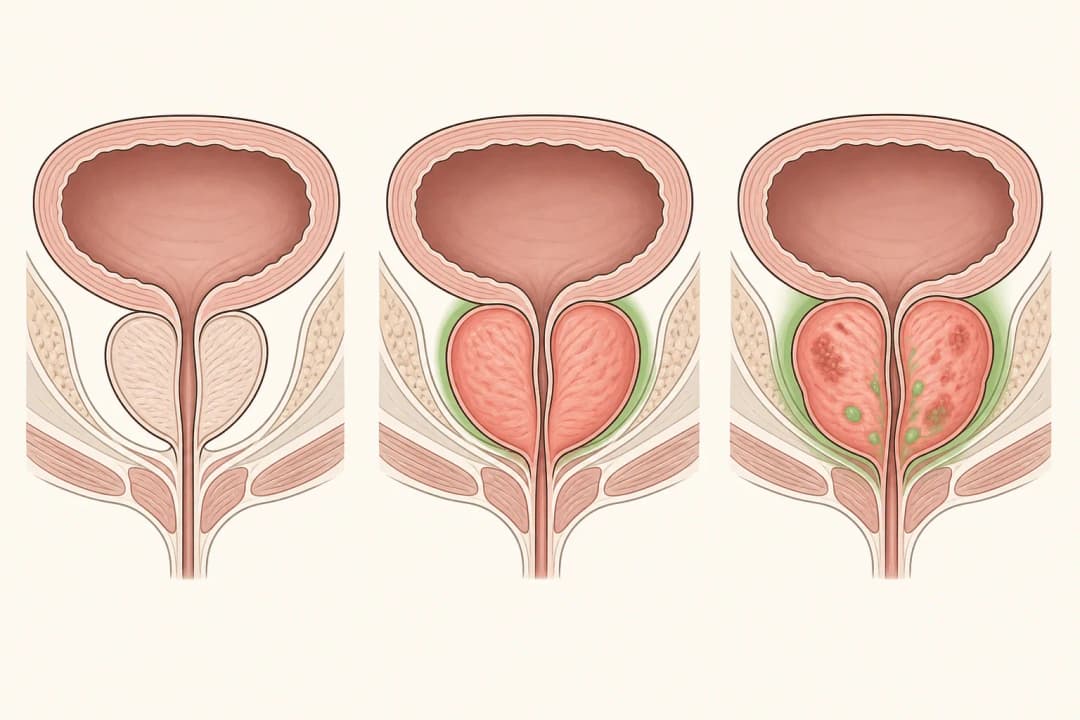
Prostatitis treatment depends on whether infection is present and may include prescribed medicine, symptom relief, and follow-up. A clinician first considers your pain, urinary symptoms, fever, examination findings, and test results. Treatment is tailored because bacterial prostatitis and longer-lasting pelvic symptoms do not always respond to the same approach.
How treatment is selected
When bacteria are suspected, a clinician may prescribe Antibiotic Treatment and review how you respond. Take it exactly as directed and report troublesome effects rather than changing the course yourself. Pain relief, rest, and practical measures may help symptoms, while persistent pelvic discomfort may need a different assessment. Prostatitis can overlap with a Urinary Tract Infection, but urinary urgency, frequent urination, painful urination, or difficulty passing urine can also have other causes.
Steps that support recovery
Book a GP Consultation if symptoms continue, return, or interfere with sleep or daily activities. Drink fluids normally unless you have been told to restrict them, and avoid activities that clearly aggravate pelvic pain. Keep a record of temperature, urinary changes, pain location, and medicine effects. Complete planned follow-up so the clinician can reassess symptoms and decide whether further testing or a specialist opinion is needed.
When to seek urgent care
Get urgent help if you cannot pass urine, have fever with shaking chills, feel faint or confused, or deteriorate quickly. Severe pelvic or abdominal pain, repeated vomiting, or blood in urine also warrants prompt medical assessment. These signs may indicate infection or urinary obstruction that needs timely treatment.
Questions for your doctor
Ask what type of prostatitis is suspected, what the medicine is intended to treat, and when improvement should be reviewed. Ask what to do if symptoms persist, whether another diagnosis should be considered, and which warning signs mean you should seek urgent care.
Find care
General Clinics & Polyclinics in Abu Dhabi
That answer is general. If you want it applied to your own case, these are licensed general clinics & polyclinics listed in Abu Dhabi.
27 Ar Ruwwad St - Shakhbout City - MSH4 - Abu Dhabi - United Arab Emirates
Accepts: Daman, Thiqa, Cigna, MetLife +20 more
Al Ruwais, Al Dhafrah
Accepts: Daman, Thiqa, AXA, Cigna +16 more
Al Bahyah - Al Bahyah Old - Abu Dhabi - United Arab Emirates
Accepts: Daman, Thiqa, Cigna, Allianz Care +18 more
Abu Dhabi
Accepts: Daman, Thiqa, AXA, Cigna +27 more
Ordered by verification status and how complete each clinic's public record is, then alphabetically. This is a directory listing, not a ranking — Zavis does not rate or recommend providers.
A factual listing drawn from the DHA, DOH and MOHAP licence registers. It is not a referral, an endorsement, or advice that any of these providers is right for you.
Questions people ask
Are antibiotics used for every type of prostatitis?
No. They are used when a bacterial infection is suspected or identified; other patterns may need different symptom-focused care.
What should I do if treatment is not helping?
Contact the prescribing clinician for review, especially if pain, fever, or urinary difficulty continues or worsens.
Related
Related reading
Keep reading
Medical disclaimer. This page is general health information, not medical advice, and it cannot diagnose you. Always consult a licensed healthcare provider about your own symptoms and treatment. In an emergency in the UAE, call 998 for an ambulance.