
What should you know about procedure to remove kidney stones from bladder?
Short answer
A bladder stone may be removed with a camera-guided procedure, while larger or difficult stones may need another approach.
This answers one question. It is not a diagnosis and does not replace an assessment by a licensed doctor.
At a glance
- Common approach
- Camera-guided fragmentation and removal
- Before treatment
- Urine testing and imaging may be needed
- After treatment
- Follow medicine and fluid instructions
How removal is assessed
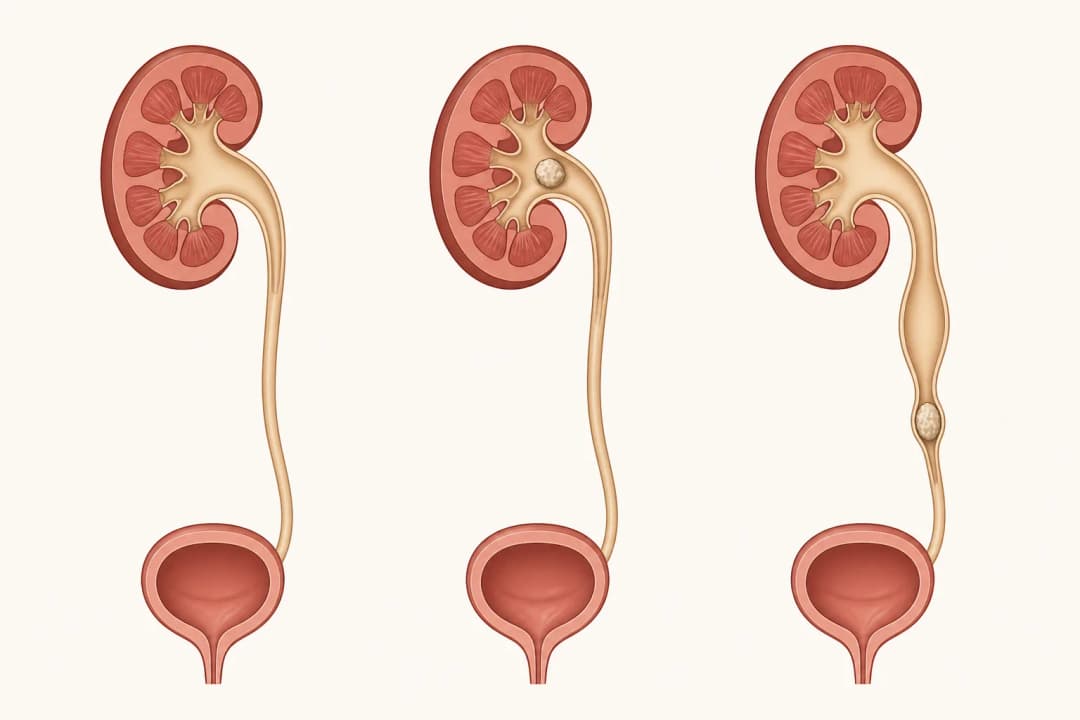
A clinician first confirms the stone's position and size, checks whether urine is flowing normally, and looks for infection or blockage. A urine test and imaging such as an Abdominal Ultrasound can help. A small stone may pass naturally, but a stone lodged near the bladder outlet can cause painful urination, abdominal pain, or difficulty passing urine. The procedure chosen depends on the stone and your health.
Cystolitholapaxy uses a thin camera passed through the urinary passage into the bladder. Small instruments break the stone into fragments and wash or remove them. If the stone is too large or cannot be reached safely this way, a specialist may discuss another procedure. The stone may also be analysed to guide prevention.
Preparing and recovering
Ask which anaesthetic is planned, whether you need to pause any medicines, and how to prepare for the procedure. Follow the written instructions about eating, drinking, and medicines. Afterward, mild burning when passing urine or a small amount of blood can occur for a short time. Drink fluids if your clinician says this is suitable, take prescribed medicines as directed, and attend follow-up if advised. Prevention may include addressing dehydration and checking why stones form.
When to seek urgent help
Seek urgent medical help if you cannot pass urine, develop fever or chills, have worsening flank pain, severe abdominal pain, repeated vomiting, or feel faint. These symptoms can signal infection or obstruction and should not wait for a routine appointment. Contact your treating team if bleeding increases, pain is not controlled, or symptoms do not settle as expected.
Questions for your doctor
Ask: Where is the stone? How will it be removed? What are the anaesthetic and recovery plans? Could a fragment remain? What can reduce the chance of another stone?
Find care
General Clinics & Polyclinics in Abu Dhabi
That answer is general. If you want it applied to your own case, these are licensed general clinics & polyclinics listed in Abu Dhabi.
27 Ar Ruwwad St - Shakhbout City - MSH4 - Abu Dhabi - United Arab Emirates
Accepts: Daman, Thiqa, Cigna, MetLife +20 more
Al Ruwais, Al Dhafrah
Accepts: Daman, Thiqa, AXA, Cigna +16 more
Al Bahyah - Al Bahyah Old - Abu Dhabi - United Arab Emirates
Accepts: Daman, Thiqa, Cigna, Allianz Care +18 more
Abu Dhabi
Accepts: Daman, Thiqa, AXA, Cigna +27 more
Ordered by verification status and how complete each clinic's public record is, then alphabetically. This is a directory listing, not a ranking — Zavis does not rate or recommend providers.
A factual listing drawn from the DHA, DOH and MOHAP licence registers. It is not a referral, an endorsement, or advice that any of these providers is right for you.
Questions people ask
Can every bladder stone be removed through the urinary passage?
No. The route depends on the stone's size, position, and your individual health; a specialist will explain suitable options.
Can bladder stones come back?
They can recur when the underlying cause remains, so follow-up may include stone analysis, fluid advice, and treatment of urinary problems.
Related
Related reading
Keep reading
Medical disclaimer. This page is general health information, not medical advice, and it cannot diagnose you. Always consult a licensed healthcare provider about your own symptoms and treatment. In an emergency in the UAE, call 998 for an ambulance.