
What should you know about precocious puberty treatment side effects?
Short answer
Precocious puberty treatment can cause expected short-term changes or treatment-related effects, so symptoms should be recorded and discussed with the prescribing clinician.
This answers one question. It is not a diagnosis and does not replace an assessment by a licensed doctor.
At a glance
- Purpose
- Pause or slow hormone-driven pubertal progression
- Monitoring
- Symptoms, growth, physical signs, and planned follow-up
What treatment is intended to do
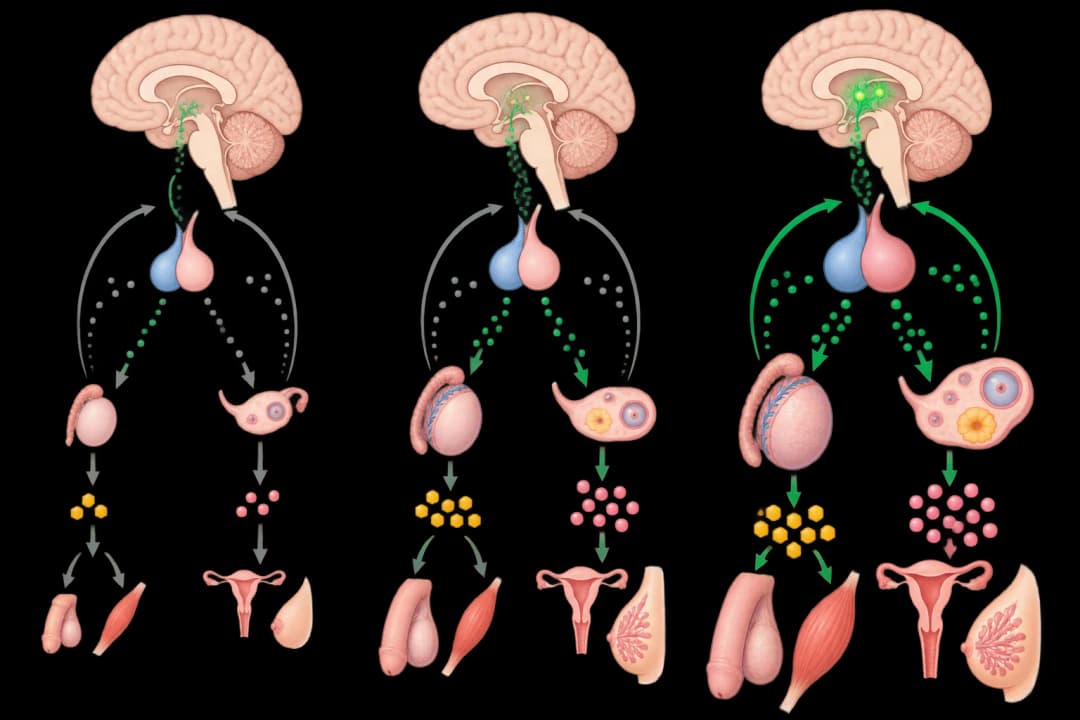
When treatment is recommended, its aim is usually to pause or slow hormone-driven pubertal progression while the child is monitored. The medicine, route, timing, and follow-up plan vary. Puberty-related signs may stabilise, and the clinician may track growth, physical findings, and sometimes hormone results.
Possible effects depend on the treatment and the individual. Injection-site soreness, headache, mood changes, hot flushes, acne, or changes in bleeding can occur with some hormone-suppressing medicines. A symptom may also have another cause, so do not stop or alter treatment without medical advice.
Managing and monitoring effects
Keep a simple record of each dose, new symptom, timing, severity, bleeding pattern, headaches, mood changes, and any reaction at the injection site. Follow the scheduled reviews so the clinician can assess growth and pubertal signs and adjust the plan if needed.
Ask which effects are expected after a dose and which require a call. Tell the clinician about allergies, other medicines, supplements, and new hormone exposures. A female hormone blood panel may be used as part of follow-up when the care team needs more information.
When to seek prompt help
Contact the treating team promptly for a severe or persistent headache, vision change, repeated vomiting, fainting, breathing difficulty, facial swelling, widespread rash, severe mood change, or a painful, hot, swollen injection site with fever. Sudden severe symptoms need urgent medical attention.
Questions about side effects
Ask which effects are common for the prescribed medicine, how long they may last, how symptoms should be managed, and when the next review is due. Ask what happens if a dose is late, which symptoms need urgent care, and how treatment progress will be judged.
Find care
General Clinics & Polyclinics in Abu Dhabi
That answer is general. If you want it applied to your own case, these are licensed general clinics & polyclinics listed in Abu Dhabi.
27 Ar Ruwwad St - Shakhbout City - MSH4 - Abu Dhabi - United Arab Emirates
Accepts: Daman, Thiqa, Cigna, MetLife +20 more
Al Ruwais, Al Dhafrah
Accepts: Daman, Thiqa, AXA, Cigna +16 more
Al Bahyah - Al Bahyah Old - Abu Dhabi - United Arab Emirates
Accepts: Daman, Thiqa, Cigna, Allianz Care +18 more
Abu Dhabi
Accepts: Daman, Thiqa, AXA, Cigna +27 more
Ordered by verification status and how complete each clinic's public record is, then alphabetically. This is a directory listing, not a ranking — Zavis does not rate or recommend providers.
A factual listing drawn from the DHA, DOH and MOHAP licence registers. It is not a referral, an endorsement, or advice that any of these providers is right for you.
Questions people ask
Should treatment be stopped because of a new symptom?
Do not stop it independently; contact the prescribing clinician so the symptom and treatment can be assessed safely.
Can bleeding change after treatment starts?
Bleeding patterns can change with hormone treatment, but unexpected or heavy bleeding should be reported to the treating team.
Related
Related reading
Keep reading
Medical disclaimer. This page is general health information, not medical advice, and it cannot diagnose you. Always consult a licensed healthcare provider about your own symptoms and treatment. In an emergency in the UAE, call 998 for an ambulance.