
What should you know about precocious puberty racgp?
Short answer
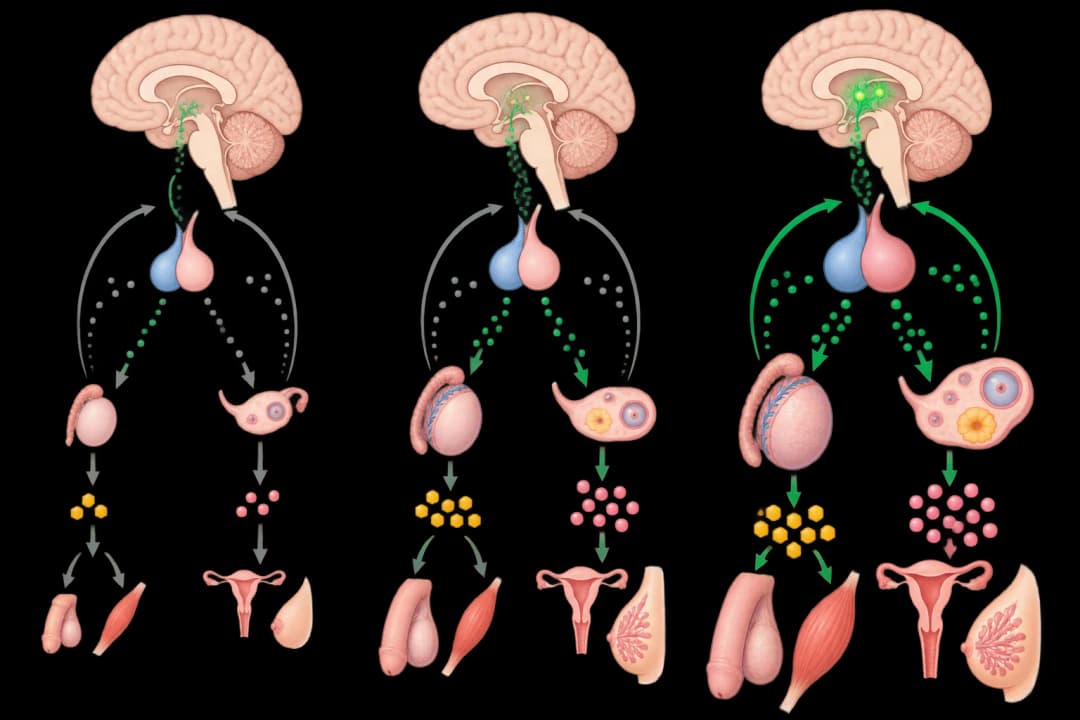
Precocious puberty is early pubertal development that should be assessed by considering the child’s age, growth pattern, physical signs, and hormone activity together.
This answers one question. It is not a diagnosis and does not replace an assessment by a licensed doctor.
At a glance
- First focus
- Sequence and pace of pubertal changes
- Records to bring
- Medicines, products, family history, and growth measurements
How primary care frames the problem
The clinician first establishes the sequence and pace of changes. Breast development, pubic hair, body odour, acne, a growth spurt, and menstrual bleeding do not all carry the same meaning when they occur alone or together. Height measurements over time can show whether growth is accelerating.
The history may cover family timing of puberty, medicines, creams or supplements containing hormones, neurological symptoms, and long-term health conditions. Examination findings guide whether observation, laboratory testing, bone-age imaging, or specialist referral is appropriate.
Preparing for assessment
Write down the first noticeable change and what followed. Bring medication and supplement names, note any hormone-containing products used in the home, and bring previous height measurements if available. A female hormone blood panel may be considered when the clinical picture suggests hormone testing would clarify the pattern.
Explain the appointment in advance and allow the young person to ask for a chaperone or private conversation. The plan may involve monitoring rather than immediate treatment, depending on the pace, examination, and test results.
Safety-net symptoms
Seek prompt assessment for quickly advancing puberty, vaginal bleeding, severe headache, repeated vomiting, seizures, new vision problems, or a sudden change in behaviour or strength. These features may require a faster clinical review.
Useful questions
Ask what the examination shows, which tests are being considered and why, when results will be reviewed, and whether referral is needed. If treatment is proposed, ask what change it aims to pause, how progress will be monitored, and what would prompt a change in plan.
Find care
General Clinics & Polyclinics in Abu Dhabi
That answer is general. If you want it applied to your own case, these are licensed general clinics & polyclinics listed in Abu Dhabi.
27 Ar Ruwwad St - Shakhbout City - MSH4 - Abu Dhabi - United Arab Emirates
Accepts: Daman, Thiqa, Cigna, MetLife +20 more
Al Ruwais, Al Dhafrah
Accepts: Daman, Thiqa, AXA, Cigna +16 more
Al Bahyah - Al Bahyah Old - Abu Dhabi - United Arab Emirates
Accepts: Daman, Thiqa, Cigna, Allianz Care +18 more
Abu Dhabi
Accepts: Daman, Thiqa, AXA, Cigna +27 more
Ordered by verification status and how complete each clinic's public record is, then alphabetically. This is a directory listing, not a ranking — Zavis does not rate or recommend providers.
A factual listing drawn from the DHA, DOH and MOHAP licence registers. It is not a referral, an endorsement, or advice that any of these providers is right for you.
Questions people ask
Does early puberty always need treatment?
No. Some patterns can be monitored, while others benefit from specialist assessment or treatment.
Why are growth measurements useful?
Measurements over time can reveal acceleration that is not clear from a single visit.
Related
Related reading
Keep reading
Medical disclaimer. This page is general health information, not medical advice, and it cannot diagnose you. Always consult a licensed healthcare provider about your own symptoms and treatment. In an emergency in the UAE, call 998 for an ambulance.