
Biological Causes of Postpartum Depression
Short answer
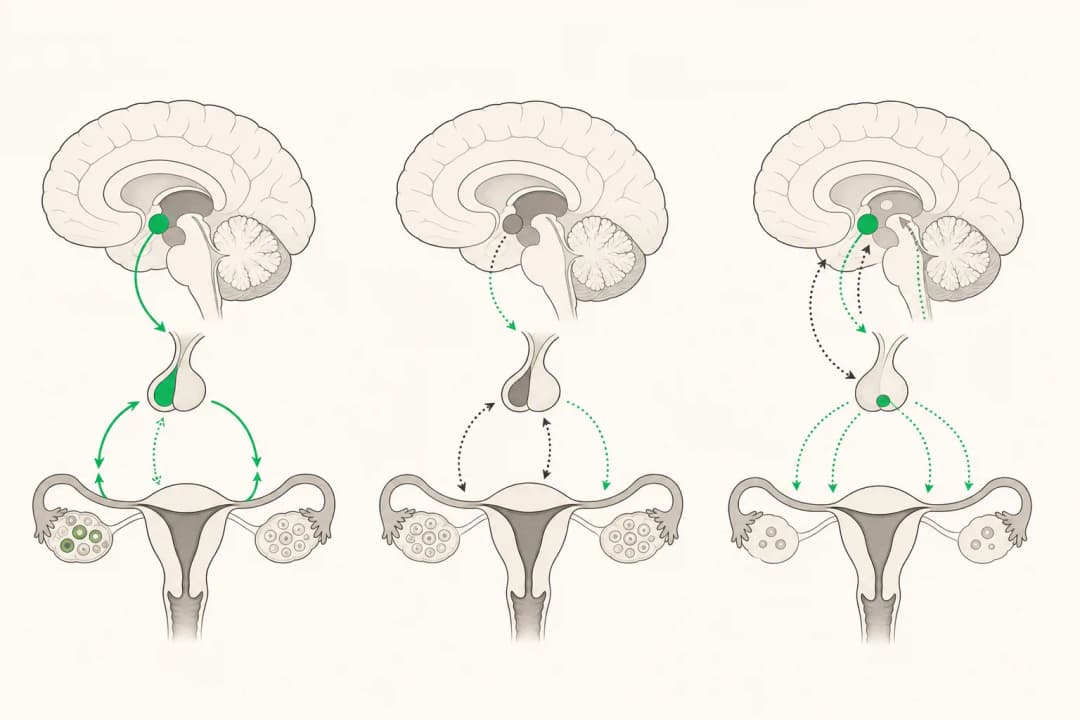
Postpartum depression has no single biological cause; body changes after birth can interact with sleep loss, stress, health conditions, and personal vulnerability.
This answers one question. It is not a diagnosis and does not replace an assessment by a licensed doctor.
At a glance
- Possible contributors
- Hormonal shifts, sleep disruption, recovery, pain, and physical illness
- Key principle
- Biology can interact with emotional and social pressures
Biology after birth
Pregnancy and birth bring rapid changes in reproductive hormones, blood volume, metabolism, sleep, and the stress-response system. Recovery from birth, pain, anaemia, thyroid problems, infection, or other health concerns can affect energy and mood. Repeated night waking can alter concentration and emotional control. These factors may combine with previous depression or anxiety, a traumatic experience, isolation, feeding difficulties, or overwhelming responsibilities. Low Mood After Birth can be a presentation of postpartum depression, but the symptom alone does not identify its cause.
How to investigate contributing factors
Tell a clinician about physical symptoms such as marked fatigue, palpitations, temperature sensitivity, dizziness, pain, or heavy bleeding, as well as mood and anxiety changes. Ask whether a physical examination or blood tests are appropriate. Protect sleep where possible by sharing night tasks, accepting practical help, and resting without treating rest as a reward. Treatment may include psychological care, social support, or medication; Perinatal Mental Health Support can help combine these options with medical follow-up.
When to seek immediate help
Arrange clinical care when symptoms continue, intensify, or interfere with feeding, hygiene, bonding, or ordinary decisions. Seek emergency help for thoughts of suicide or harm, hallucinations, severe confusion, or a frightening loss of control. Contact local emergency services or an emergency department and ask a trusted person to stay with you.
Questions to ask
Could a physical condition be contributing to my mood? Which symptoms need testing? How can sleep and pain be addressed? What mental-health treatments are compatible with my circumstances?
Find care
General Clinics & Polyclinics in Abu Dhabi
That answer is general. If you want it applied to your own case, these are licensed general clinics & polyclinics listed in Abu Dhabi.
27 Ar Ruwwad St - Shakhbout City - MSH4 - Abu Dhabi - United Arab Emirates
Accepts: Daman, Thiqa, Cigna, MetLife +20 more
Al Ruwais, Al Dhafrah
Accepts: Daman, Thiqa, AXA, Cigna +16 more
Al Bahyah - Al Bahyah Old - Abu Dhabi - United Arab Emirates
Accepts: Daman, Thiqa, Cigna, Allianz Care +18 more
Abu Dhabi
Accepts: Daman, Thiqa, AXA, Cigna +27 more
Ordered by verification status and how complete each clinic's public record is, then alphabetically. This is a directory listing, not a ranking — Zavis does not rate or recommend providers.
A factual listing drawn from the DHA, DOH and MOHAP licence registers. It is not a referral, an endorsement, or advice that any of these providers is right for you.
Questions people ask
Is postpartum depression only hormonal?
No. Biological changes may contribute, but mood is also shaped by health, sleep, stress, history, and support.
Should physical symptoms be mentioned?
Yes. Symptoms such as dizziness, palpitations, pain, or unusual fatigue can help guide a broader assessment.
Related
Related reading
Keep reading
Medical disclaimer. This page is general health information, not medical advice, and it cannot diagnose you. Always consult a licensed healthcare provider about your own symptoms and treatment. In an emergency in the UAE, call 998 for an ambulance.