
What should you know about the postnatal depression time frame?
Short answer
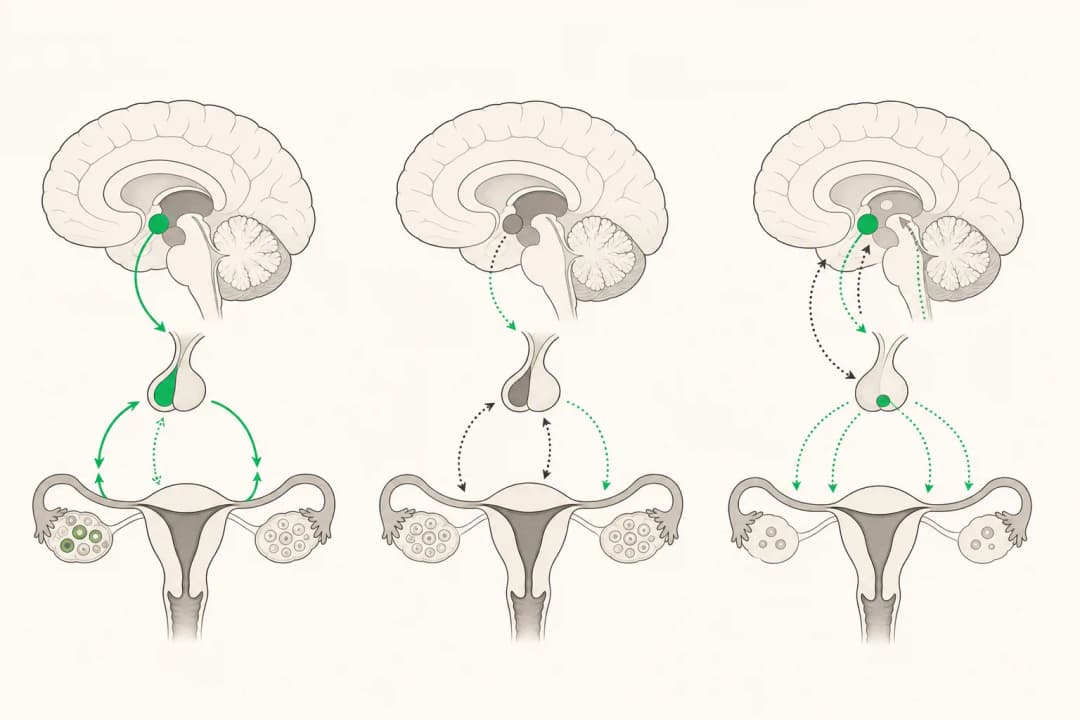
Postnatal depression can begin during pregnancy or after birth, and its duration varies; assessment and treatment can support recovery.
This answers one question. It is not a diagnosis and does not replace an assessment by a licensed doctor.
At a glance
- Possible onset
- During pregnancy or after birth
- Reason to arrange review
- Symptoms that persist, recur, or disrupt daily functioning
How the timing can vary
Symptoms may develop gradually or become noticeable soon after delivery, but they can also emerge later as sleep loss, feeding difficulties, isolation, or other pressures accumulate. Unlike short-lived emotional changes after birth, depression tends to persist, return repeatedly, or interfere with ordinary tasks. A changing time frame does not make the symptoms less worthy of care. Low mood, loss of pleasure, guilt, anxiety, or difficulty concentrating can all be relevant, as can [Low Mood After Birth](/symptoms/postnatal-low-mood/).
What to do while you wait for help
Contact a GP, midwife, obstetrician, or mental-health professional rather than waiting for a particular milestone. Keep a simple record of mood, sleep, appetite, intrusive thoughts, and how symptoms affect care. Accept practical help with meals, rest, transport, and baby care where possible. Treatment may include talking therapy, medication, or both, selected with your medical history and feeding plans in mind. [Perinatal Mental Health Support](/treatments/medical-gynaecology/perinatal-mental-health-support/) can help you understand available care.
When timing becomes urgent
Seek prompt assessment if symptoms are worsening, lasting, or making self-care and infant care difficult. Get emergency help if you have thoughts of suicide or harming your baby, cannot keep yourself safe, or experience hallucinations, severe confusion, or extreme agitation. Call local emergency services or attend the nearest emergency department, and tell someone you trust what is happening. Do not remain alone with an immediate safety concern.
Useful questions
Ask: When should we review my symptoms? Which signs suggest another medical problem? What treatment options fit my stage after birth? How can I obtain help outside appointments? What safety plan should my family know?
Find care
General Clinics & Polyclinics in Abu Dhabi
That answer is general. If you want it applied to your own case, these are licensed general clinics & polyclinics listed in Abu Dhabi.
27 Ar Ruwwad St - Shakhbout City - MSH4 - Abu Dhabi - United Arab Emirates
Accepts: Daman, Thiqa, Cigna, MetLife +20 more
Al Ruwais, Al Dhafrah
Accepts: Daman, Thiqa, AXA, Cigna +16 more
Al Bahyah - Al Bahyah Old - Abu Dhabi - United Arab Emirates
Accepts: Daman, Thiqa, Cigna, Allianz Care +18 more
Abu Dhabi
Accepts: Daman, Thiqa, AXA, Cigna +27 more
Ordered by verification status and how complete each clinic's public record is, then alphabetically. This is a directory listing, not a ranking — Zavis does not rate or recommend providers.
A factual listing drawn from the DHA, DOH and MOHAP licence registers. It is not a referral, an endorsement, or advice that any of these providers is right for you.
Questions people ask
Can postnatal depression start months after birth?
Yes. Symptoms can become apparent later, so a delayed onset still deserves a proper assessment.
Does treatment have to wait for a diagnosis?
You can seek an assessment as soon as you are concerned; a clinician can explain the next step.
Related
Related reading
Keep reading
Medical disclaimer. This page is general health information, not medical advice, and it cannot diagnose you. Always consult a licensed healthcare provider about your own symptoms and treatment. In an emergency in the UAE, call 998 for an ambulance.