
Polyhydramnios treatment: what to know
Short answer
Polyhydramnios treatment depends on its severity, cause, symptoms and gestational age, with monitoring often forming the first part of care.
This answers one question. It is not a diagnosis and does not replace an assessment by a licensed doctor.
At a glance
- Plan depends on
- Cause, symptoms, fluid level and pregnancy stage
- Common component
- Repeat ultrasound and antenatal review
- Medicines
- Used only when clinically appropriate
Why plans differ
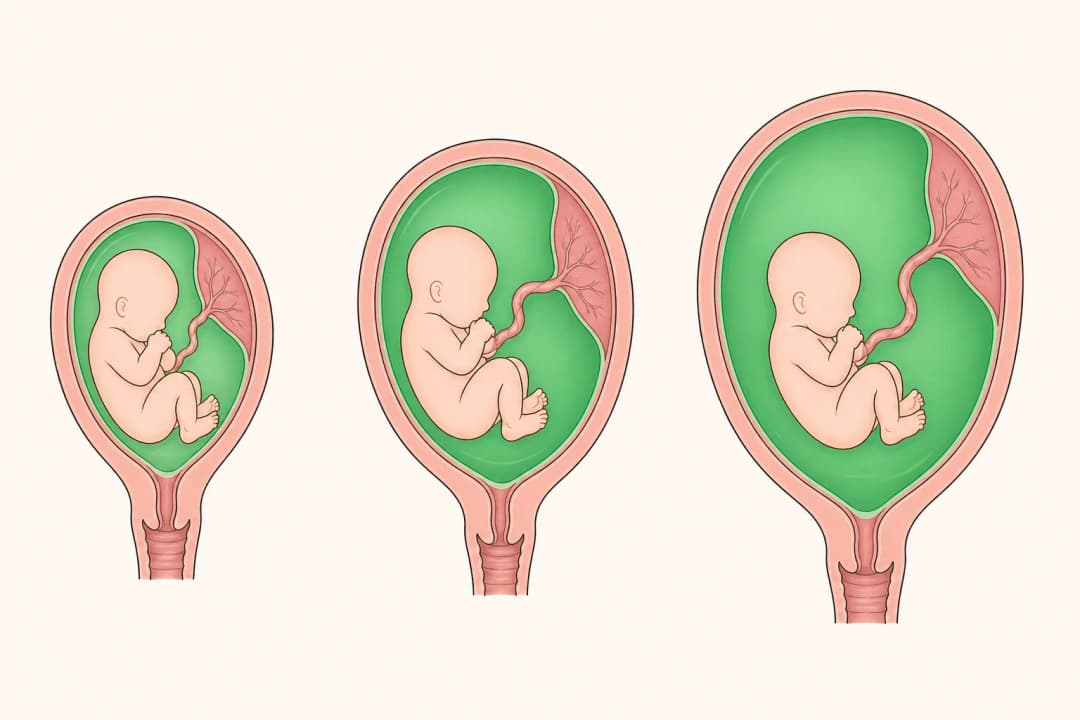
Extra fluid can be mild and cause little discomfort, or it can stretch the uterus and affect breathing, fetal position or contractions. Your clinician may look for an underlying contributor, review medicines and check the baby’s growth, anatomy and wellbeing. When no clear cause is found, observation may be all that is needed. The care plan can change as fluid levels, symptoms or the stage of pregnancy changes.
What treatment may involve
Attend repeat ultrasound and antenatal appointments so the team can follow fluid, growth and fetal wellbeing. If a contributing condition is found, treating that condition may be part of the plan. Severe symptoms or marked fluid may lead a specialist to discuss a procedure to remove some fluid, while medicines are considered only when appropriate for the individual pregnancy. Your team may also discuss delivery timing, fetal position and where birth should take place. Do not start, stop or repurpose a medicine without maternity advice.
When to get urgent help
Contact your maternity unit promptly if your waters break, contractions become regular, you have bleeding, severe pain or reduced fetal movement. Seek urgent help for breathlessness at rest, chest pain, faintness or sudden severe swelling. These symptoms need assessment even if a treatment plan is already in place.
Questions for your care team
Ask what may be contributing to the extra fluid, whether monitoring is enough, and what changes would lead to a procedure or medicine. Clarify the risks and benefits of each option for your pregnancy, how often scans are needed, and how the plan affects labour, birth setting and newborn care.
Find care
General Clinics & Polyclinics in Abu Dhabi
That answer is general. If you want it applied to your own case, these are licensed general clinics & polyclinics listed in Abu Dhabi.
27 Ar Ruwwad St - Shakhbout City - MSH4 - Abu Dhabi - United Arab Emirates
Accepts: Daman, Thiqa, Cigna, MetLife +20 more
Al Ruwais, Al Dhafrah
Accepts: Daman, Thiqa, AXA, Cigna +16 more
Al Bahyah - Al Bahyah Old - Abu Dhabi - United Arab Emirates
Accepts: Daman, Thiqa, Cigna, Allianz Care +18 more
Abu Dhabi
Accepts: Daman, Thiqa, AXA, Cigna +27 more
Ordered by verification status and how complete each clinic's public record is, then alphabetically. This is a directory listing, not a ranking — Zavis does not rate or recommend providers.
A factual listing drawn from the DHA, DOH and MOHAP licence registers. It is not a referral, an endorsement, or advice that any of these providers is right for you.
Questions people ask
Does every case of polyhydramnios need active treatment?
No. Some pregnancies are managed with observation and follow-up while the team monitors fluid, growth and wellbeing.
Can polyhydramnios change birth planning?
It can. Fluid level, fetal position, symptoms and the wider pregnancy may influence timing, delivery setting and preparation for newborn care.
Related
Related reading
Keep reading
Medical disclaimer. This page is general health information, not medical advice, and it cannot diagnose you. Always consult a licensed healthcare provider about your own symptoms and treatment. In an emergency in the UAE, call 998 for an ambulance.