
What should you know about polyhydramnios and early delivery?
Short answer
Polyhydramnios can affect delivery planning, but the timing of birth depends on fluid levels, the cause, pregnancy stage and maternal and fetal well-being.
This answers one question. It is not a diagnosis and does not replace an assessment by a licensed doctor.
At a glance
- Timing
- Fluid findings alone do not set a delivery date.
- Planning
- Fetal well-being, symptoms, membranes and underlying causes guide decisions.
- Preparation
- Know your maternity unit's urgent contact route.
How it can affect birth planning
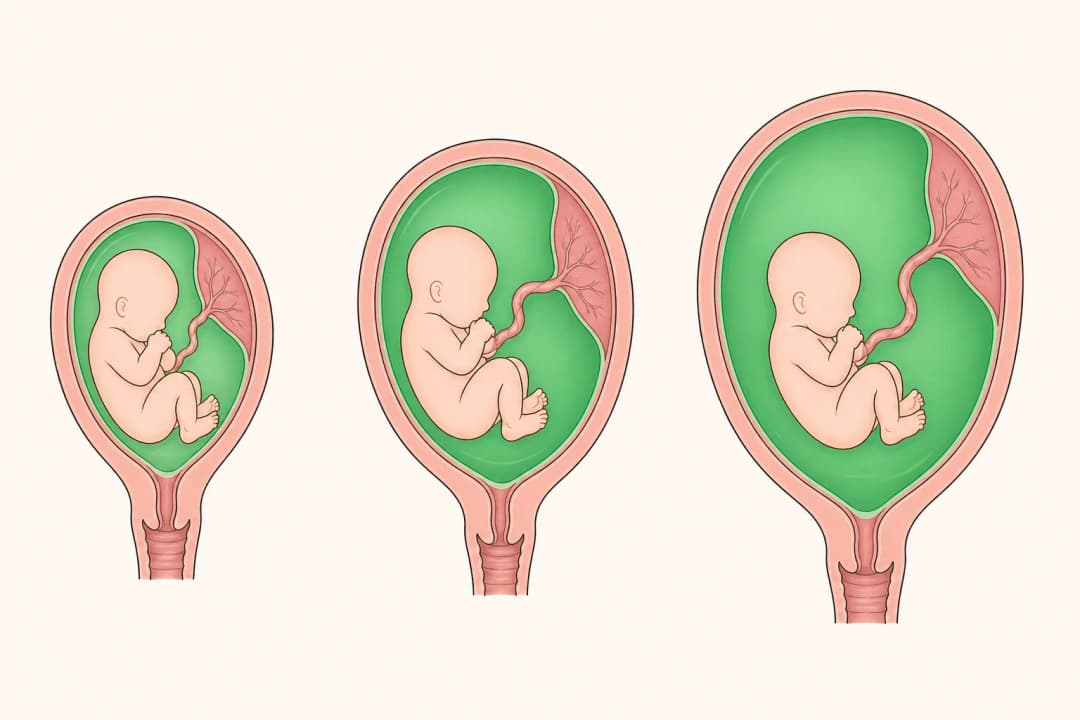
Extra fluid can make the uterus more stretched and may be associated with discomfort, contractions, an unstable fetal position or leaking membranes. These factors can influence where and how birth is managed. They do not, by themselves, determine that delivery must happen early.
Your maternity team considers ultrasound findings, fetal growth and movement, blood pressure, diabetes testing, symptoms and the condition of the membranes. Some pregnancies need observation only; others need closer review or a planned change in delivery timing.
Preparing for the next decision
Keep scheduled appointments and ask when the next fluid and growth assessment is due. A growth scan may help your team review fetal size, fluid and position. Pack a clear list of medicines and know how to contact your maternity unit outside clinic hours.
Ask what would prompt induction, a caesarean birth or hospital assessment in your situation. Do not arrange an early delivery independently or change activity and medication without advice.
When to seek urgent care
Seek urgent maternity assessment for leaking fluid, vaginal bleeding, regular contractions, reduced fetal movement, severe breathlessness, severe abdominal pain or a sudden change in symptoms. If your waters break, extra fluid can be mistaken for ordinary discharge, so report any ongoing wetness.
Questions for your doctor
Ask whether the polyhydramnios is mild or more marked, whether a cause has been identified, how the baby is positioned, what monitoring is planned and which findings would change delivery timing. Discuss what to expect if labor starts or your waters break.
Find care
General Clinics & Polyclinics in Abu Dhabi
That answer is general. If you want it applied to your own case, these are licensed general clinics & polyclinics listed in Abu Dhabi.
27 Ar Ruwwad St - Shakhbout City - MSH4 - Abu Dhabi - United Arab Emirates
Accepts: Daman, Thiqa, Cigna, MetLife +20 more
Al Ruwais, Al Dhafrah
Accepts: Daman, Thiqa, AXA, Cigna +16 more
Al Bahyah - Al Bahyah Old - Abu Dhabi - United Arab Emirates
Accepts: Daman, Thiqa, Cigna, Allianz Care +18 more
Abu Dhabi
Accepts: Daman, Thiqa, AXA, Cigna +27 more
Ordered by verification status and how complete each clinic's public record is, then alphabetically. This is a directory listing, not a ranking — Zavis does not rate or recommend providers.
A factual listing drawn from the DHA, DOH and MOHAP licence registers. It is not a referral, an endorsement, or advice that any of these providers is right for you.
Questions people ask
Will polyhydramnios mean I need early delivery?
Not necessarily. The decision depends on the severity, cause, pregnancy stage and how you and the baby are doing.
Can my baby's position affect the plan?
Yes. Extra fluid can allow more movement, so position and presentation may be checked when planning birth.
Related
Related reading
Keep reading
Medical disclaimer. This page is general health information, not medical advice, and it cannot diagnose you. Always consult a licensed healthcare provider about your own symptoms and treatment. In an emergency in the UAE, call 998 for an ambulance.