
What should you know about polyhydramnios and preeclampsia?
Short answer
Polyhydramnios and preeclampsia are different pregnancy conditions, so an elevated fluid level does not diagnose preeclampsia.
This answers one question. It is not a diagnosis and does not replace an assessment by a licensed doctor.
At a glance
- Conditions
- Polyhydramnios and preeclampsia are assessed with different tests.
- Monitoring
- Blood pressure, urine, blood tests and ultrasound may all be used.
- Warning signs
- Severe headache and visual changes need prompt maternity advice.
How they are considered
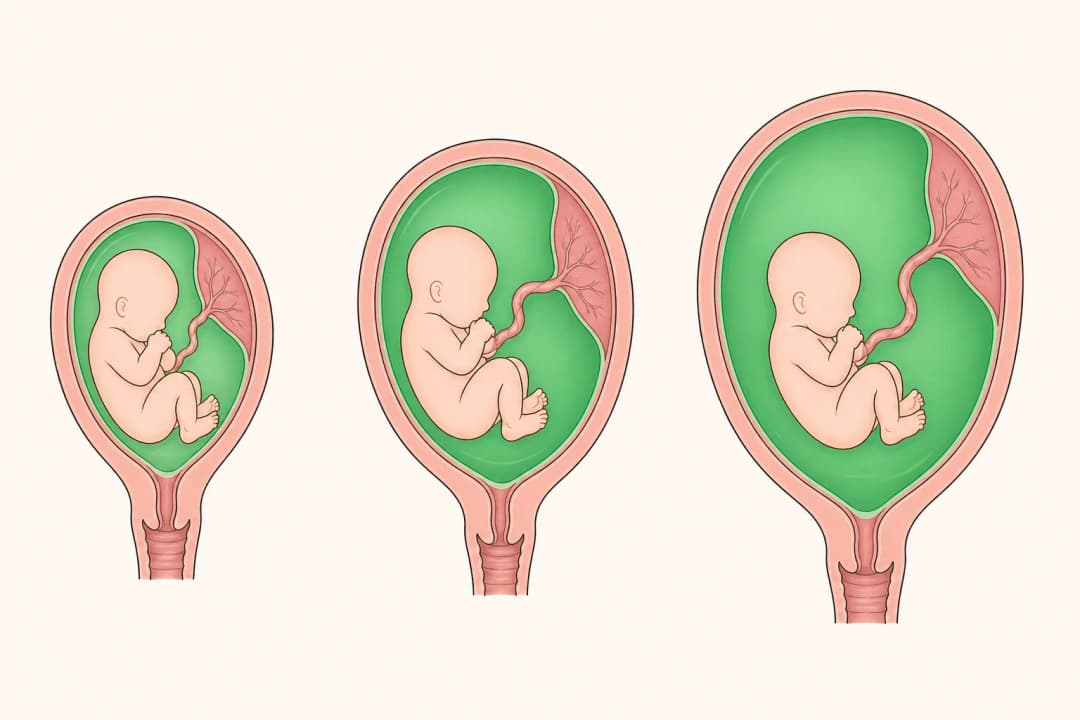
Polyhydramnios is excess amniotic fluid identified on ultrasound. Preeclampsia involves high blood pressure after mid-pregnancy together with signs that organs such as the kidneys or liver may be affected. One condition can be present without the other. Your clinician may consider diabetes, fetal growth, placental function and other causes when fluid is high, while blood pressure, urine and blood tests help assess preeclampsia.
The combination can require closer review because both conditions affect pregnancy planning, but the fluid measurement cannot predict whether preeclampsia will develop. Symptoms and test results matter more than the label alone.
Practical next steps
Attend blood-pressure checks, urine testing, blood tests and ultrasound follow-up as advised. Tell the maternity team about headaches, visual symptoms, upper abdominal pain, sudden swelling, breathlessness or reduced fetal movement. Bring home blood-pressure readings if your clinician has asked you to monitor them.
Your team may arrange a growth scan to assess the baby's size, fluid and well-being. Do not start aspirin, stop medication or alter activity without personalised advice.
When to seek urgent care
Seek urgent maternity assessment for a severe or persistent headache, flashing lights or blurred vision, pain below the ribs, sudden marked swelling, severe breathlessness, vaginal bleeding, leaking fluid, regular contractions or reduced fetal movement. These warning signs need prompt review even if your last blood pressure or scan was reassuring.
Questions for your doctor
Ask which blood-pressure and urine results are reassuring, whether you need blood tests or home monitoring, what the fluid measurement shows, and how often the baby should be assessed. Clarify whom to call outside clinic hours if warning symptoms appear.
Find care
General Clinics & Polyclinics in Abu Dhabi
That answer is general. If you want it applied to your own case, these are licensed general clinics & polyclinics listed in Abu Dhabi.
27 Ar Ruwwad St - Shakhbout City - MSH4 - Abu Dhabi - United Arab Emirates
Accepts: Daman, Thiqa, Cigna, MetLife +20 more
Al Ruwais, Al Dhafrah
Accepts: Daman, Thiqa, AXA, Cigna +16 more
Al Bahyah - Al Bahyah Old - Abu Dhabi - United Arab Emirates
Accepts: Daman, Thiqa, Cigna, Allianz Care +18 more
Abu Dhabi
Accepts: Daman, Thiqa, AXA, Cigna +27 more
Ordered by verification status and how complete each clinic's public record is, then alphabetically. This is a directory listing, not a ranking — Zavis does not rate or recommend providers.
A factual listing drawn from the DHA, DOH and MOHAP licence registers. It is not a referral, an endorsement, or advice that any of these providers is right for you.
Questions people ask
Does polyhydramnios cause preeclampsia?
An elevated fluid level does not diagnose preeclampsia. Your team assesses blood pressure and signs of organ involvement separately.
What scan may be offered?
A growth scan may assess fetal size, amniotic fluid and other features relevant to ongoing care.
Related
Related reading
Keep reading
Medical disclaimer. This page is general health information, not medical advice, and it cannot diagnose you. Always consult a licensed healthcare provider about your own symptoms and treatment. In an emergency in the UAE, call 998 for an ambulance.