
What should you know about paradoxical hypertrichosis on the face?
Short answer
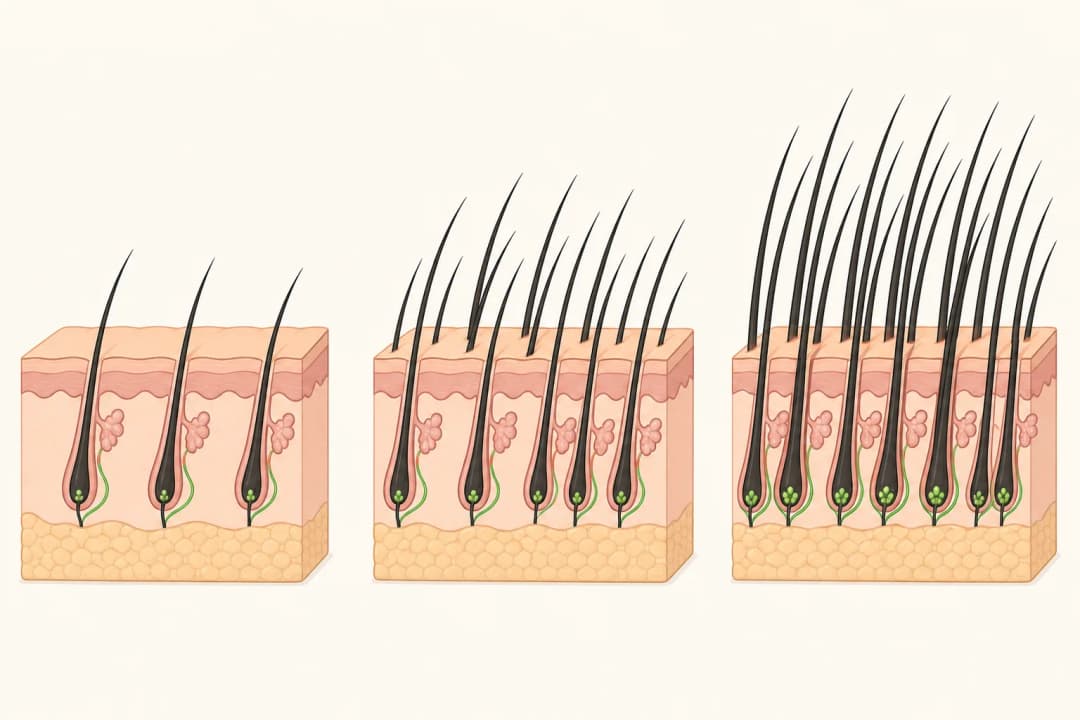
Paradoxical hypertrichosis on the face is unexpected increased hair after hair reduction, and it should be assessed before further facial treatment.
This answers one question. It is not a diagnosis and does not replace an assessment by a licensed doctor.
At a glance
- Common concern
- Darker or thicker facial hair after hair reduction
- Before another session
- Have the changed area reviewed
- Urgent signs
- Swelling near the eye, blistering, fever, or spreading redness
What facial change can mean
You may notice darker, thicker, or more visible hair on the cheeks, jawline, sideburn area, or another nearby patch after a hair-reduction session. Facial hair cycles vary, so a clinician compares the new pattern with photographs and the timing of treatment instead of relying on one inspection.
The review also considers skin tone, hair pigment, device settings, medicines, and hormonal symptoms. Facial hair change by itself does not establish a hormonal disorder, but hair growth with acne, scalp thinning, or menstrual changes may need a broader assessment.
Practical next steps
Pause treatment on the affected facial area and contact the provider who performed it. Keep a simple record of dates, settings if available, and when the change became noticeable. Use gentle cleansing and sun protection for treated skin, and avoid picking, waxing, or applying irritating products over any area that is sore or inflamed.
Once the pattern is clear, the clinician may discuss a revised plan or a different method. [Laser Hair Removal](/treatments/laser-and-energy/laser-hair-removal/) may be considered for suitable hair and skin characteristics, while [Electrolysis Hair Removal](/treatments/laser-and-energy/electrolysis-hair-removal/) can be discussed for selected individual hairs. Facial skin needs careful settings and aftercare.
When to seek care
Book a review if the new facial hair persists, extends beyond the treated zone, or is affecting your skin or wellbeing. Seek prompt care for facial swelling, blistering, severe pain, pus, fever, or redness spreading away from the treated area. Eye-area swelling or vision symptoms need urgent attention.
Questions for your doctor
Ask whether the growth pattern fits paradoxical hypertrichosis, whether facial treatment should stop, and how the skin will be monitored. Discuss the safest temporary hair-removal method, whether a hormonal assessment is appropriate, and which symptoms should bring your appointment forward.
Find care
General Clinics & Polyclinics in Abu Dhabi
That answer is general. If you want it applied to your own case, these are licensed general clinics & polyclinics listed in Abu Dhabi.
27 Ar Ruwwad St - Shakhbout City - MSH4 - Abu Dhabi - United Arab Emirates
Accepts: Daman, Thiqa, Cigna, MetLife +20 more
Al Ruwais, Al Dhafrah
Accepts: Daman, Thiqa, AXA, Cigna +16 more
Al Bahyah - Al Bahyah Old - Abu Dhabi - United Arab Emirates
Accepts: Daman, Thiqa, Cigna, Allianz Care +18 more
Abu Dhabi
Accepts: Daman, Thiqa, AXA, Cigna +27 more
Ordered by verification status and how complete each clinic's public record is, then alphabetically. This is a directory listing, not a ranking — Zavis does not rate or recommend providers.
A factual listing drawn from the DHA, DOH and MOHAP licence registers. It is not a referral, an endorsement, or advice that any of these providers is right for you.
Questions people ask
Can shaving make facial hair grow back thicker?
Shaving cuts hair at the skin surface and does not change the follicle, although short stubble can look or feel thicker as it grows out.
Should I wax facial hair after this change?
Ask the treating clinician first, especially if the skin is irritated; waxing can further stress recently treated skin and make the pattern harder to assess.
Related
Related reading
Keep reading
Medical disclaimer. This page is general health information, not medical advice, and it cannot diagnose you. Always consult a licensed healthcare provider about your own symptoms and treatment. In an emergency in the UAE, call 998 for an ambulance.