
What should you know about non-seminoma?
Short answer
Non-seminoma is a germ cell tumour that may contain several tumour patterns and is treated according to its extent and marker results.
This answers one question. It is not a diagnosis and does not replace an assessment by a licensed doctor.
At a glance
- Type
- A non-seminoma germ cell tumour, sometimes mixed
- Assessment
- Pathology, scans, examination, and tumour markers are considered together
- Care
- Surgery and further treatment depend on extent and tumour features
The short answer
Non-seminoma is a germ cell tumour that may contain several tumour patterns and is treated according to its extent and marker results. It most often develops in the testicle, although germ cell tumours can occur elsewhere. Care commonly combines surgery, blood tests for tumour markers, imaging, and specialist follow-up.
Understanding the diagnosis
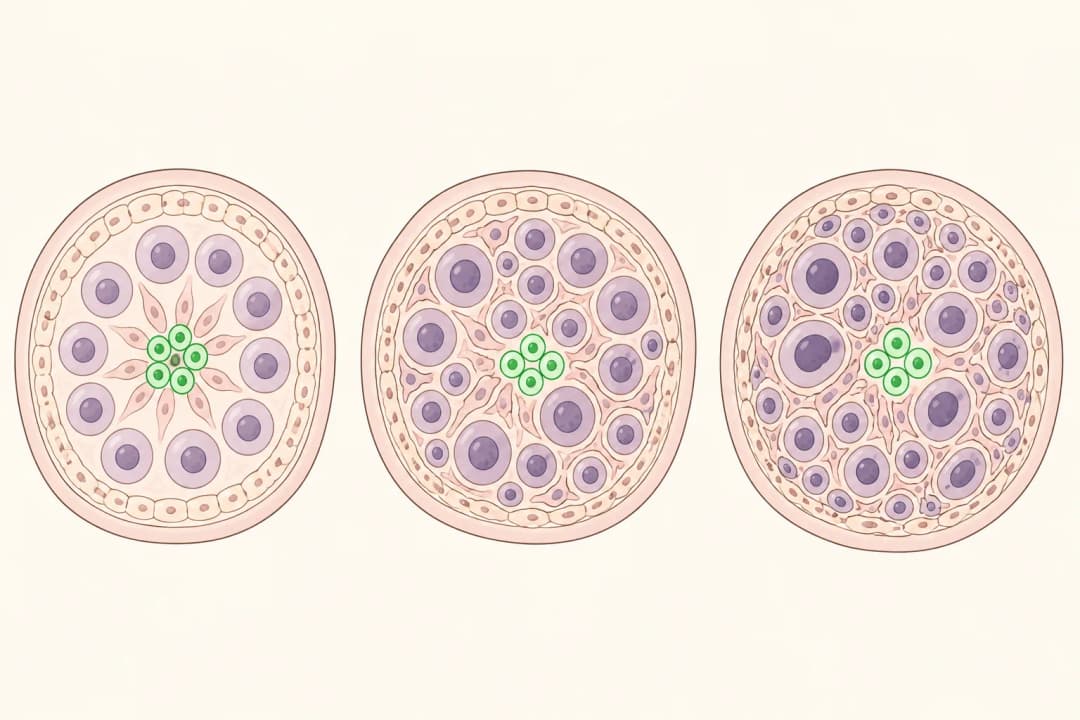
A pathology report may describe embryonal carcinoma, yolk sac tumour, choriocarcinoma, teratoma, or a mixed tumour. The mixture matters because different components behave differently and influence treatment. Doctors also consider whether disease is limited to the testicle, has reached nearby structures, or is present elsewhere. The diagnosis is not determined by a lump alone.
How it is managed
The first treatment is often [Tumour Removal Surgery](/treatments/surgical-oncology/tumour-removal-surgery/) to remove the affected testicle through an incision in the groin and obtain a full pathology assessment. Depending on stage, marker behaviour, and pathology, the team may recommend surveillance, further surgery, or [Chemotherapy](/treatments/systemic-therapy/chemotherapy/). Discuss sperm banking before treatment if future fertility matters to you.
When to seek urgent care
Seek urgent assessment for sudden severe testicular pain, rapid swelling, fever with scrotal pain, repeated vomiting, or pain after surgery that is worsening rather than settling. During chemotherapy, promptly report fever, breathing difficulty, uncontrolled vomiting, or signs of infection using the emergency instructions from your oncology team.
Questions to ask
Ask which tumour components are present, what the marker results mean, what stage has been assigned, and why surveillance, surgery, or chemotherapy is being proposed. Ask about fertility preservation, prosthesis options, activity restrictions, and the schedule for scans and blood tests.
Questions people ask
Is non-seminoma the same as seminoma?
No. They are different germ cell tumour patterns, and a mixed tumour can contain more than one component.
Why are blood tumour markers checked?
Marker levels can help with diagnosis, staging, treatment planning, and follow-up when interpreted with other findings.
Related
Related reading
Keep reading
Cancer care in the UAE
Hospitals & Medical Centers in Abu Dhabi
Most UAE cancer care is delivered inside hospital services rather than by standalone oncology clinics, so these are licensed hospitals & medical centers listed in Abu Dhabi. Confirm the specific cancer service exists before you travel, and know that asking for a second opinion is routine.
Ahalia Hospital Musaffah Building - Musaffah - Musaffah Industrial - Abu Dhabi - United Arab Emirates
Accepts: Daman, Thiqa, AXA, Cigna +26 more
Al Ruwais Industrial City - Abu Dhabi - United Arab Emirates
Accepts: Daman, Thiqa, AXA, Cigna +30 more
Abu Dhabi, Abu Dhabi
Accepts: Daman, Thiqa, AXA, Cigna +30 more
Second opinions are routine in cancer care and asking for one does not affect your treatment. How to arrange a second opinion in the UAE.
Ordered by verification status and how complete each clinic's public record is, then alphabetically. This is a directory listing, not a ranking — Zavis does not rate or recommend providers.
A factual listing drawn from the DHA, DOH and MOHAP licence registers. It is not a referral, an endorsement, or advice that any of these providers is right for you.
Medical disclaimer. This page is general health information, not medical advice, and it cannot diagnose you. Always consult a licensed healthcare provider about your own symptoms and treatment. In an emergency in the UAE, call 998 for an ambulance.