
I think my bladder is leaking
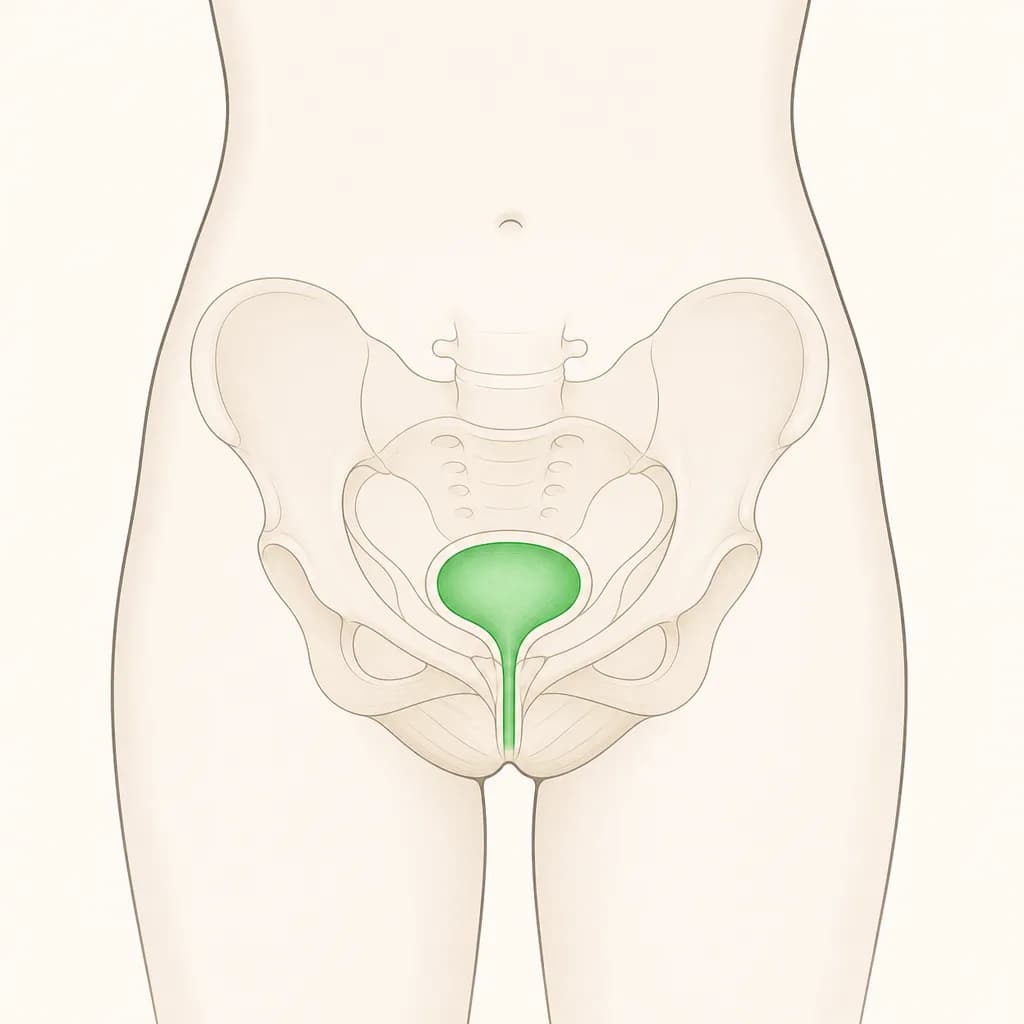
Short answer
New bladder leakage is worth discussing with a healthcare professional because its pattern can point to an overactive bladder, weakened pelvic floor, infection, or prolapse.
This answers one question. It is not a diagnosis and does not replace an assessment by a licensed doctor.
At a glance
- Common patterns
- Leaks with pressure, or leaks after sudden urgency
- Useful record
- A bladder diary covering drinks, urgency, toilet visits, and leaks
- First conversation
- A primary-care, gynaecology, or continence assessment
What the leaking may mean
Leakage with coughing, sneezing, laughing, lifting, or exercise is often called stress urinary leakage. A sudden strong urge followed by a leak fits urge leakage. Some people have both patterns. Dribbling, difficulty emptying, burning, pelvic pressure, or a change after childbirth or pelvic surgery adds useful context. A bladder or bowel diary can record drinks, toilet visits, urgency, activity, and leaks for several days.
Pelvic floor weakness is one possible contributor, while constipation, urinary infection, medicines, menopause-related changes, and pelvic organ prolapse can also affect bladder control. Leakage is a symptom, not a diagnosis; a clinician may ask about your history, examine you, and test urine.
Practical next steps
Arrange a routine appointment if leakage is new, recurring, or affecting sleep, exercise, work, intimacy, or confidence. Bring your diary and a list of medicines. Keep drinking regularly rather than severely restricting fluids, and notice whether caffeine, fizzy drinks, or alcohol worsen urgency. Avoid straining with constipation.
Treatment depends on the pattern. Bladder Training can gradually lengthen the time between planned toilet visits. Pelvic Floor Exercises or Pelvic Floor Physiotherapy can help you learn the right muscles and technique. After birth, Postnatal Physiotherapy may tailor recovery. A Mid-Urethral Sling is a surgical option for selected stress leakage when non-surgical care has not helped.
When to seek care promptly
Seek prompt medical advice for blood in the urine, fever or chills, painful urination with feeling unwell, new severe back or side pain, inability to pass urine, or sudden leakage with new leg weakness, numbness, or loss of bowel control. Contact a clinician sooner if you are pregnant, recently had a procedure, or symptoms are rapidly worsening.
Questions to take with you
Could this be stress, urge, mixed, or overflow leakage? Do I need a urine test or examination? Which exercises or bladder-training plan suits my symptoms? Could prolapse, constipation, medicines, or recent childbirth be contributing? When should we review progress?
Find care
General Clinics & Polyclinics in Abu Dhabi
That answer is general. If you want it applied to your own case, these are licensed general clinics & polyclinics listed in Abu Dhabi.
27 Ar Ruwwad St - Shakhbout City - MSH4 - Abu Dhabi - United Arab Emirates
Accepts: Daman, Thiqa, Cigna, MetLife +20 more
Al Ruwais, Al Dhafrah
Accepts: Daman, Thiqa, AXA, Cigna +16 more
Al Bahyah - Al Bahyah Old - Abu Dhabi - United Arab Emirates
Accepts: Daman, Thiqa, Cigna, Allianz Care +18 more
Abu Dhabi
Accepts: Daman, Thiqa, AXA, Cigna +27 more
Ordered by verification status and how complete each clinic's public record is, then alphabetically. This is a directory listing, not a ranking — Zavis does not rate or recommend providers.
A factual listing drawn from the DHA, DOH and MOHAP licence registers. It is not a referral, an endorsement, or advice that any of these providers is right for you.
Questions people ask
Is bladder leakage a normal part of ageing or childbirth?
It is common, but you do not have to simply accept it. Assessment can identify reversible contributors and suitable exercises or bladder training.
Should I stop drinking water to prevent leaks?
Severely restricting fluids can irritate the bladder and worsen constipation. Drink regularly and discuss a suitable intake with a clinician.
Related
Related reading
Keep reading
Medical disclaimer. This page is general health information, not medical advice, and it cannot diagnose you. Always consult a licensed healthcare provider about your own symptoms and treatment. In an emergency in the UAE, call 998 for an ambulance.