
How is benign prostatic hyperplasia different in older adults?
Short answer
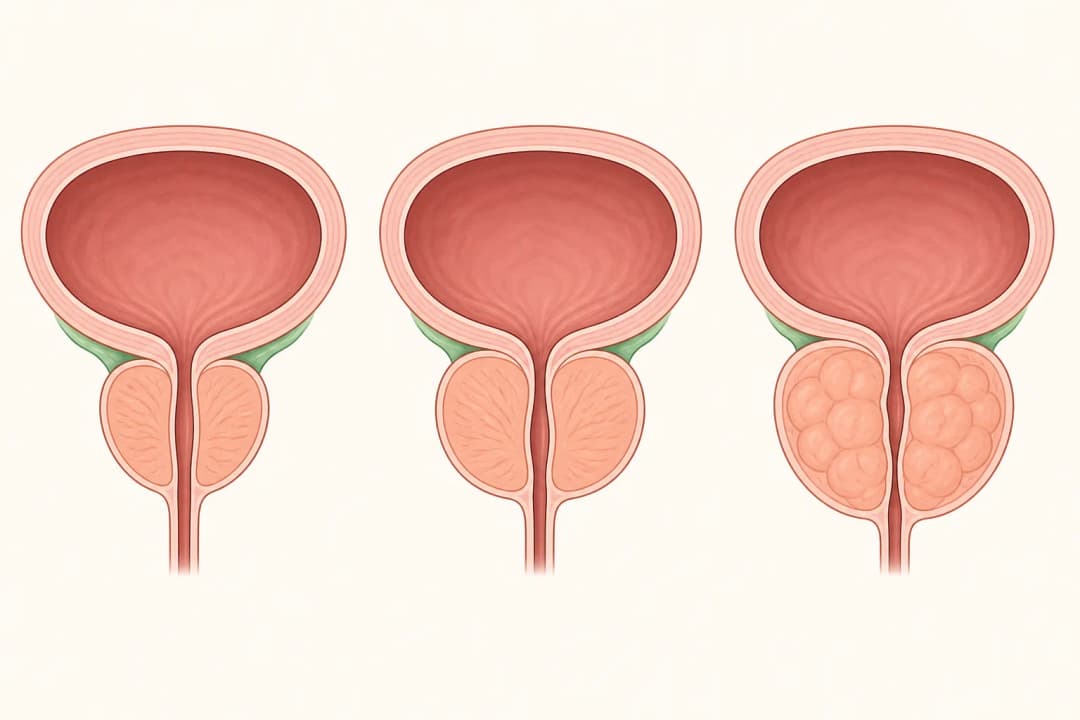
In older adults, benign prostatic hyperplasia may combine with medication effects, bladder changes or mobility problems, making urinary symptoms and treatment choices especially individual.
This answers one question. It is not a diagnosis and does not replace an assessment by a licensed doctor.
At a glance
- Extra considerations
- Other illnesses, medicines, sleep and mobility
- Safety focus
- Night-time access and dizziness or falls
Why symptoms need a wider view
An enlarged prostate can cause a slow stream, hesitancy, urgency, leakage or a feeling that the bladder has not emptied. In later life, similar complaints may also relate to infection, diabetes, constipation, sleep disorders, reduced mobility or medicines such as decongestants and water tablets. Night-time trips can increase fatigue and the chance of falling, especially when walking in poor light. A symptom pattern is more useful than age alone.
Planning safe care
Bring a complete medicine list to an appointment and describe the effect on sleep, travel, continence and daily routines. A clinician may review urine symptoms, bladder emptying, blood pressure, mobility and other health conditions before suggesting monitoring, medicine or a procedure. Keep pathways to the bathroom clear, use good lighting at night and follow any fluid advice that fits your heart and kidney health. Do not stop prescribed medicine without advice.
When to seek prompt help
Seek urgent care for inability to pass urine, severe lower abdominal pain, fever or chills with urinary symptoms, or blood in the urine. Contact a clinician promptly after a fall linked to rushing to the toilet, new confusion with urinary symptoms, or a sudden change in bladder control. Ongoing symptoms that disturb sleep or limit outings deserve a planned review.
Questions for your doctor
Ask whether each medicine is suitable with your other conditions, how treatment might affect dizziness or falls, and which tests are needed before choosing a plan. Ask how to monitor emptying, what symptom changes matter, and when follow-up should occur.
Find care
General Clinics & Polyclinics in Abu Dhabi
That answer is general. If you want it applied to your own case, these are licensed general clinics & polyclinics listed in Abu Dhabi.
27 Ar Ruwwad St - Shakhbout City - MSH4 - Abu Dhabi - United Arab Emirates
Accepts: Daman, Thiqa, Cigna, MetLife +20 more
Al Ruwais, Al Dhafrah
Accepts: Daman, Thiqa, AXA, Cigna +16 more
Al Bahyah - Al Bahyah Old - Abu Dhabi - United Arab Emirates
Accepts: Daman, Thiqa, Cigna, Allianz Care +18 more
Abu Dhabi
Accepts: Daman, Thiqa, AXA, Cigna +27 more
Ordered by verification status and how complete each clinic's public record is, then alphabetically. This is a directory listing, not a ranking — Zavis does not rate or recommend providers.
A factual listing drawn from the DHA, DOH and MOHAP licence registers. It is not a referral, an endorsement, or advice that any of these providers is right for you.
Questions people ask
Are all urinary symptoms in older adults caused by BPH?
No. Several conditions and medicines can cause similar changes, so a clinician should review new or worsening symptoms.
Why discuss falls when treating BPH?
Urgency and night-time toileting can lead to rushing, while some treatments may cause dizziness; a care plan should address both urinary relief and safety.
Related
Related reading
Keep reading
Medical disclaimer. This page is general health information, not medical advice, and it cannot diagnose you. Always consult a licensed healthcare provider about your own symptoms and treatment. In an emergency in the UAE, call 998 for an ambulance.