
What should you know about hives from pollen?
Short answer
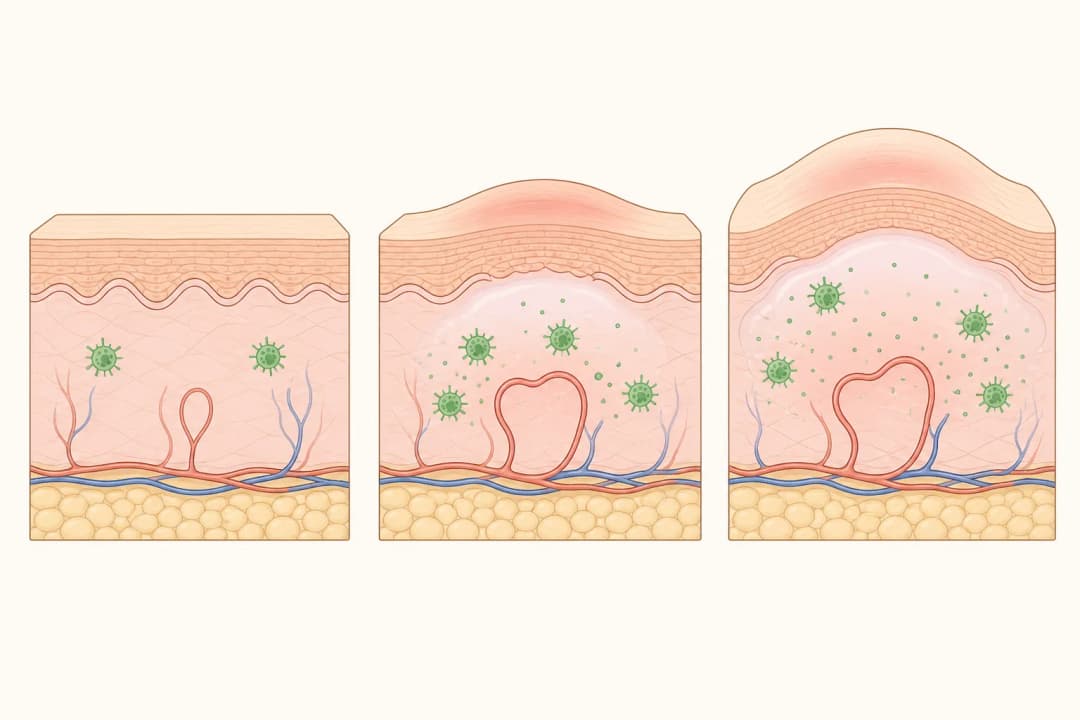
Hives after pollen exposure are itchy, raised welts that may occur as part of an allergic response or alongside other seasonal allergy symptoms.
This answers one question. It is not a diagnosis and does not replace an assessment by a licensed doctor.
At a glance
- Common setting
- Outdoor exposure or gardening
- Other symptoms
- Sneezing or itchy eyes may occur
- After exposure
- Wash skin and change clothes
How pollen may fit the picture
Pollen can contact the skin, eyes, and airways, particularly during outdoor activity or gardening. Hives may be accompanied by sneezing, itchy eyes, or a runny nose, but a rash appearing in pollen season does not identify pollen as the cause by itself. Heat, plants, insect contact, foods, medicines, and infection can overlap in the same period. Photograph the welts if they fade before an appointment. Read about [Hives](/conditions/urticaria/), [Itchy Skin](/symptoms/itchy-skin/), and [Skin Rash](/symptoms/skin-rash/).
Limiting contact during a flare
After outdoor exposure, wash your face and hands, change clothes, and shower if pollen is likely on your hair or skin. Keep windows closed when outdoor air carries a heavy pollen load, and avoid rubbing itchy areas. Note the setting, weather, activity, plants, foods, and medicines around each episode. A pharmacist or clinician can advise whether an oral antihistamine is appropriate; see [Antihistamine Treatment](/treatments/medical-dermatology/oral-antihistamine-therapy/). Do not begin several new remedies at once, because that can make the trigger harder to identify.
When the reaction is an emergency
Call emergency services immediately for trouble breathing, wheezing, throat tightness, faintness, or swelling of the tongue, lips, or mouth. A combination of skin and airway symptoms can worsen quickly. Prompt medical assessment is also needed for new facial or mouth swelling even if breathing remains comfortable; see [Skin Swelling](/symptoms/skin-swelling/) and [Angioedema](/conditions/angioedema/). Seek routine care if the hives recur, last unusually long, or are not explained by a clear exposure.
Questions for your doctor
Does the timing support pollen as a trigger? Could another seasonal exposure explain the rash? Should I adjust outdoor activities or use allergy treatment? What emergency symptoms should I watch for?
Find care
General Clinics & Polyclinics in Abu Dhabi
That answer is general. If you want it applied to your own case, these are licensed general clinics & polyclinics listed in Abu Dhabi.
27 Ar Ruwwad St - Shakhbout City - MSH4 - Abu Dhabi - United Arab Emirates
Accepts: Daman, Thiqa, Cigna, MetLife +20 more
Al Ruwais, Al Dhafrah
Accepts: Daman, Thiqa, AXA, Cigna +16 more
Al Bahyah - Al Bahyah Old - Abu Dhabi - United Arab Emirates
Accepts: Daman, Thiqa, Cigna, Allianz Care +18 more
Abu Dhabi
Accepts: Daman, Thiqa, AXA, Cigna +27 more
Ordered by verification status and how complete each clinic's public record is, then alphabetically. This is a directory listing, not a ranking — Zavis does not rate or recommend providers.
A factual listing drawn from the DHA, DOH and MOHAP licence registers. It is not a referral, an endorsement, or advice that any of these providers is right for you.
Questions people ask
Can pollen directly cause hives?
Pollen may be involved, but the timing and pattern need clinical assessment because several triggers can occur together.
How can I reduce pollen on my skin?
Wash exposed skin, shower after outdoor activity, and change clothing that may carry pollen.
Keep reading
Medical disclaimer. This page is general health information, not medical advice, and it cannot diagnose you. Always consult a licensed healthcare provider about your own symptoms and treatment. In an emergency in the UAE, call 998 for an ambulance.