
What should you know about HCTZ and kidney stones?
Updated
Short answer
HCTZ may be prescribed in selected people with recurrent calcium kidney stones, but it is not suitable for everyone.
This answers one question. It is not a diagnosis and does not replace an assessment by a licensed doctor.
At a glance
- Medicine
- Hydrochlorothiazide (HCTZ)
- Main action
- Changes salt and water handling
- Monitoring
- Kidney function and electrolytes
HCTZ and kidney stones
HCTZ may be prescribed in selected people with recurrent calcium kidney stones, but it is not suitable for everyone. It is a thiazide diuretic that changes kidney handling of sodium and can reduce calcium loss in urine. The choice depends on stone type, kidney function, blood pressure, hydration, and other medicines.
How the treatment is considered
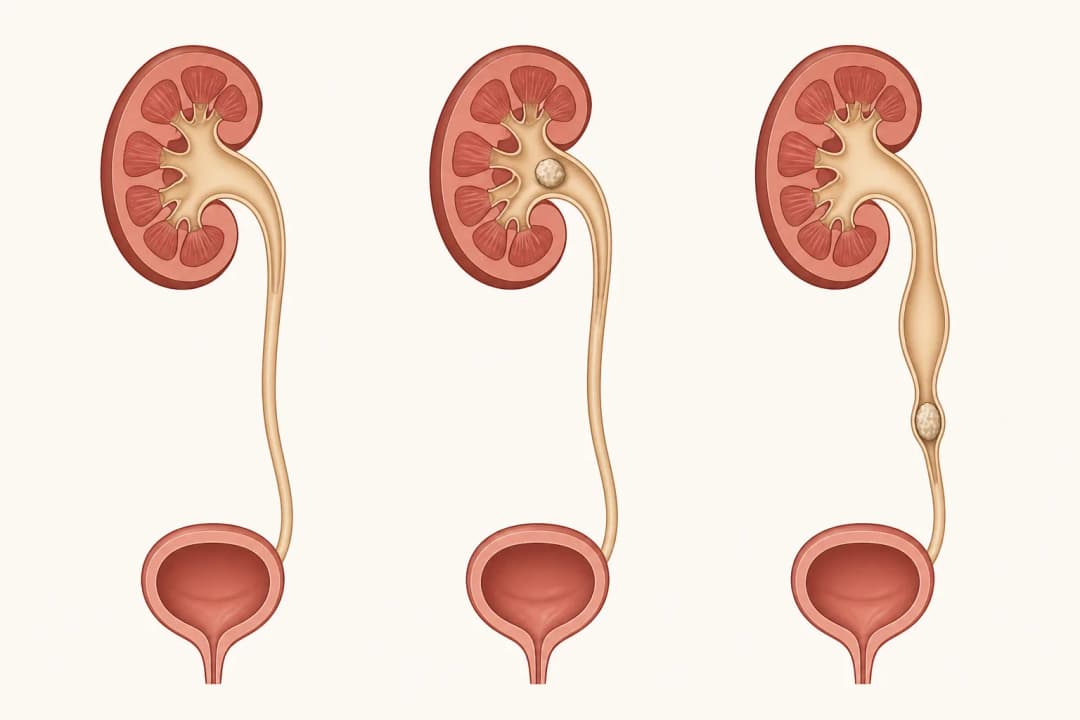
Kidney stones form when substances in urine become concentrated and crystallise. Dehydration can make this easier. HCTZ can also alter salts in the blood and may cause increased urination, dizziness, or thirst. It does not dissolve every stone and does not replace assessment of a new episode of flank or abdominal pain. A clinician may need urine and blood tests to understand your risk.
Safe next steps
Take HCTZ only as prescribed and keep follow-up appointments for blood pressure, kidney function, and electrolyte checks. Ask how much fluid is appropriate for you; fluid advice may need adjustment if you have heart or kidney disease. Do not stop the medicine or add supplements without advice. A GP consultation can help decide whether imaging, such as an abdominal ultrasound, is appropriate.
When to seek urgent care
Seek urgent care for severe or persistent flank pain, fever with urinary symptoms, repeated vomiting, inability to pass urine, or blood in the urine with worsening pain. These signs can indicate obstruction or infection. Call emergency services for collapse, severe weakness, confusion, or breathing difficulty.
Questions to take with you
Ask whether your stones are likely to contain calcium, whether HCTZ fits your blood-pressure plan, which electrolytes need monitoring, and how to respond to vomiting or dehydration. Discuss your other medicines, gout history, pregnancy or breastfeeding, and the symptoms that should prompt imaging.
Find care
General Clinics & Polyclinics in Dubai
That answer is general. If you want it applied to your own case, these are licensed general clinics & polyclinics listed in Dubai.
The Court Residence, 39B Street, Jumeirah 1, Dubai
Accepts: Tabby, Tamara
Elite Business Bay Residence - Shop 03 & 04, 34 Marasi Dr - Business Bay - Dubai - United Arab Emirates
Accepts: Tabby
Airport View Building, Al Garhoud, Dubai
Accepts: Daman, Thiqa, AXA, Cigna +25 more
IBIS Building, 5th Floor, Unit 5003, Deira, Dubai
Accepts: AXA, Cigna, MetLife, Allianz Care +18 more
Ordered by verification status and how complete each clinic's public record is, then alphabetically. This is a directory listing, not a ranking — Zavis does not rate or recommend providers.
A factual listing drawn from the UAE health regulators' public licence registers. It is not a referral, an endorsement, or advice that any of these providers is right for you.
Questions people ask
Does HCTZ treat an acute stone attack?
It is generally considered for prevention in selected cases, not as a replacement for urgent assessment of severe symptoms.
Should everyone with kidney stones take HCTZ?
No. Stone composition, medical history, kidney function, and current treatment all matter.
Related
Related reading
Keep reading
Medical disclaimer. This page is general health information, not medical advice, and it cannot diagnose you. Always consult a licensed healthcare provider about your own symptoms and treatment. In an emergency in the UAE, call 998 for an ambulance.