
What should you know about glutathione 600 injection?
Short answer
A glutathione 600 injection is a clinician-administered preparation whose ingredients, route and purpose must be verified first.
This answers one question. It is not a diagnosis and does not replace an assessment by a licensed doctor.
At a glance
- Route
- Must be confirmed before administration
- Setting
- Licensed medical facility
- Urgent warning signs
- Breathing difficulty, collapse or facial swelling
What an injection involves
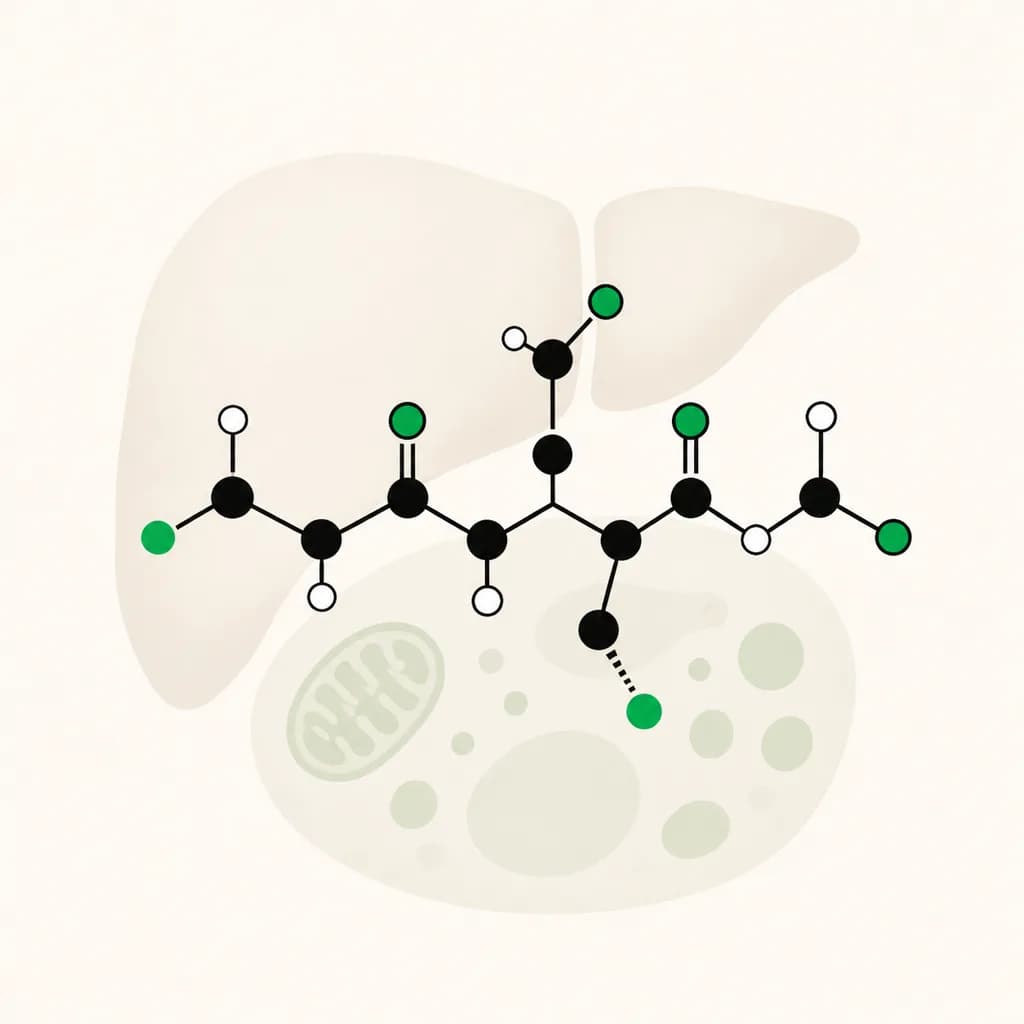
The label may describe an amount of glutathione, but it does not by itself tell you whether the injection is given into muscle, a vein or another site. The clinician should explain the formulation, sterility controls, reason for treatment and expected monitoring. Glutathione is an antioxidant naturally present in the body; an injected preparation can behave differently from an oral product.
Temporary soreness, redness, bruising, dizziness or nausea can occur around an injection. More serious reactions are possible with any administered medicine, including allergic reactions or problems related to the injection process. Cosmetic use should not delay evaluation of a medical skin concern.
How to prepare
Ask to see the product name, ingredient list, batch details and expiry information. Confirm that a licensed professional will administer it in a clean medical setting. Share your history of asthma, allergies, kidney or liver disease, pregnancy or breastfeeding, and medicines that may affect bleeding or blood pressure. Eat and drink according to the clinic’s advice and arrange help if you have previously felt faint during injections.
Remain for the recommended observation period and follow written aftercare. Do not repeat injections on a schedule without a documented reason and review of how you responded.
When to seek care
Call emergency services for breathing difficulty, throat or facial swelling, collapse, confusion, severe chest symptoms or a rapidly spreading rash. Contact the treating clinic promptly for increasing injection-site pain, spreading redness, fever, pus, severe weakness or persistent vomiting.
Questions for your doctor
Ask: Which route will you use? What exactly is in the vial? Why is an injection preferable? What monitoring is needed? Which reactions are expected, and where should I seek help after leaving?
Find care
General Clinics & Polyclinics in Abu Dhabi
That answer is general. If you want it applied to your own case, these are licensed general clinics & polyclinics listed in Abu Dhabi.
27 Ar Ruwwad St - Shakhbout City - MSH4 - Abu Dhabi - United Arab Emirates
Accepts: Daman, Thiqa, Cigna, MetLife +20 more
Al Ruwais, Al Dhafrah
Accepts: Daman, Thiqa, AXA, Cigna +16 more
Al Bahyah - Al Bahyah Old - Abu Dhabi - United Arab Emirates
Accepts: Daman, Thiqa, Cigna, Allianz Care +18 more
Abu Dhabi
Accepts: Daman, Thiqa, AXA, Cigna +27 more
Ordered by verification status and how complete each clinic's public record is, then alphabetically. This is a directory listing, not a ranking — Zavis does not rate or recommend providers.
A factual listing drawn from the DHA, DOH and MOHAP licence registers. It is not a referral, an endorsement, or advice that any of these providers is right for you.
Questions people ask
Is 600 a standard injection for everyone?
No single labelled amount is suitable for everyone. The preparation and plan should be individualised by a qualified clinician.
Can an injection improve pigmentation?
A cosmetic claim should not be treated as a diagnosis or guaranteed outcome. Have the cause of pigmentation assessed first.
Related
Related reading
Keep reading
Medical disclaimer. This page is general health information, not medical advice, and it cannot diagnose you. Always consult a licensed healthcare provider about your own symptoms and treatment. In an emergency in the UAE, call 998 for an ambulance.