
Gluta skin whitening: what to know
Short answer
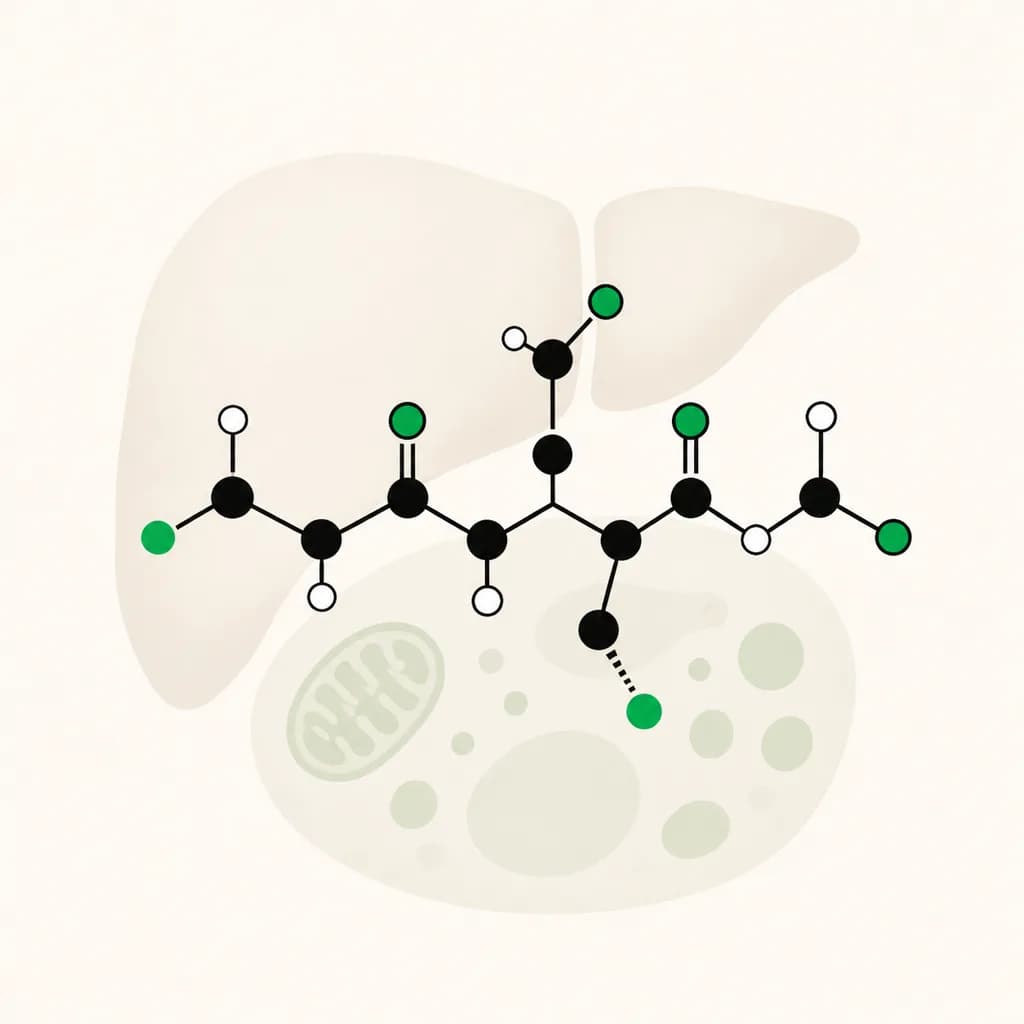
Gluta skin whitening refers to using glutathione for a lighter-looking complexion, but results are uncertain and route-specific risks must be discussed.
This answers one question. It is not a diagnosis and does not replace an assessment by a licensed doctor.
At a glance
- First step
- Identify the cause of uneven tone
- Core protection
- Daily broad-spectrum sunscreen
What the term means
“Gluta” usually refers to glutathione, a naturally occurring antioxidant that may be marketed for complexion lightening. The phrase can describe tablets, topical products or injections, and these routes are not interchangeable. Uneven tone may reflect sun exposure, acne marks, melasma, irritation or another skin condition; lightening the surface without identifying the cause can lead to disappointment or worsening irritation. A cosmetic goal also needs realistic boundaries: natural skin colour should not be treated as a defect, and the aim can instead be a more even, healthy-looking tone.
A safer way to approach the goal
Begin with a dermatology assessment and daily broad-spectrum sunscreen, since ultraviolet exposure can deepen many pigment problems. Share your medical history, medicines, allergies and any pregnancy or breastfeeding plans before considering glutathione. Ask whether a topical plan or clinician-led skin brightening treatment fits the diagnosis better than an injectable option. Do not buy unlabelled products or combine multiple bleaching and exfoliating agents. Introduce any topical product gradually and stop if it burns, swells or causes a spreading rash.
When to seek care
Seek urgent help for facial or throat swelling, breathing difficulty, faintness or widespread hives after a glutathione product or injection. Arrange prompt review for blistering, severe burning, rapidly spreading redness, infection at an injection site or pigment that becomes more uneven after treatment. New or changing pigmented lesions should also be examined rather than self-treated.
Questions for your doctor
What is causing my pigmentation? Which route is appropriate for that diagnosis? What are the benefits, risks, monitoring needs and alternatives?
Find care
General Clinics & Polyclinics in Abu Dhabi
That answer is general. If you want it applied to your own case, these are licensed general clinics & polyclinics listed in Abu Dhabi.
27 Ar Ruwwad St - Shakhbout City - MSH4 - Abu Dhabi - United Arab Emirates
Accepts: Daman, Thiqa, Cigna, MetLife +20 more
Al Ruwais, Al Dhafrah
Accepts: Daman, Thiqa, AXA, Cigna +16 more
Al Bahyah - Al Bahyah Old - Abu Dhabi - United Arab Emirates
Accepts: Daman, Thiqa, Cigna, Allianz Care +18 more
Abu Dhabi
Accepts: Daman, Thiqa, AXA, Cigna +27 more
Ordered by verification status and how complete each clinic's public record is, then alphabetically. This is a directory listing, not a ranking — Zavis does not rate or recommend providers.
A factual listing drawn from the DHA, DOH and MOHAP licence registers. It is not a referral, an endorsement, or advice that any of these providers is right for you.
Questions people ask
Does glutathione whiten everyone’s skin?
No. The cosmetic response is variable and cannot be promised; the route and product quality also affect the safety discussion.
Can I self-treat dark patches with gluta products?
It is safer to identify the cause first, because some patches need diagnosis and some products can irritate or worsen pigmentation.
Related
Related reading
Keep reading
Medical disclaimer. This page is general health information, not medical advice, and it cannot diagnose you. Always consult a licensed healthcare provider about your own symptoms and treatment. In an emergency in the UAE, call 998 for an ambulance.