
What should you know about fowl cholera symptoms?
Short answer
Fowl cholera is a bacterial infection of birds, so its signs should not be used to diagnose human cholera.
This answers one question. It is not a diagnosis and does not replace an assessment by a licensed doctor.
At a glance
- Main host
- Birds
- Human diarrhoea warning
- Watery diarrhoea can cause rapid fluid and salt loss
- Immediate priority
- Replace fluids and seek help for dehydration signs
What fowl cholera means
Fowl cholera is an illness of domestic and wild birds caused by Pasteurella multocida. Affected birds may become suddenly weak, stop eating, have ruffled feathers, breathing difficulty, discharge from the nose or mouth, diarrhoea, or swelling around the head and joints. Some birds can die quickly, while others develop a longer-lasting illness. These are signs in birds, not a checklist for diagnosing a person.
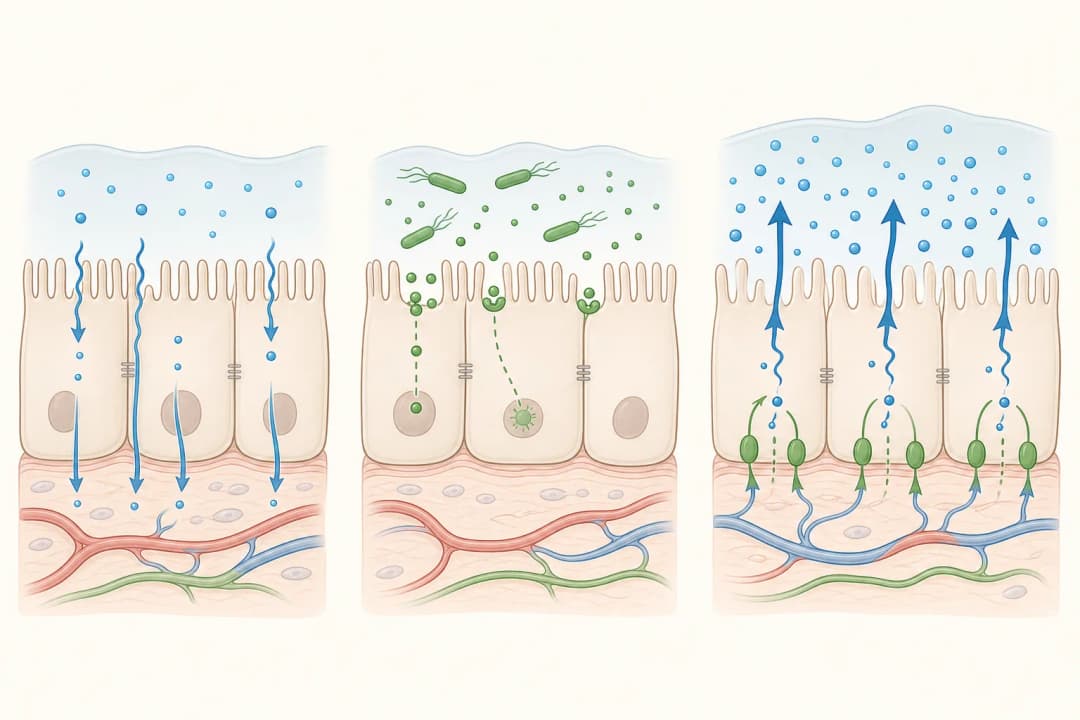
Human cholera is a different infection, caused by Vibrio cholerae, and is generally associated with contaminated food or water. A person with profuse watery diarrhoea can lose fluid and salts rapidly. The appearance of diarrhoea alone does not establish cholera; other infections and conditions can cause it too.
What to do after possible exposure
Avoid handling sick or dead birds with bare hands, keep children and pets away, and wash your hands after contact with birds, cages, litter, or droppings. Do not eat birds that appear ill. Contact a veterinarian or the relevant local animal-health authority for advice about the flock.
If you develop diarrhoea, drink frequent small amounts of an oral rehydration solution and seek medical advice, especially after unsafe food or water exposure. See the guidance on Diarrhoea and Oral Rehydration Therapy for practical hydration information.
When to seek medical care
Get urgent medical help for repeated watery stools with marked thirst, very little or dark urine, dizziness, fainting, confusion, unusual sleepiness, a fast heartbeat, or inability to keep fluids down. Prompt assessment is also appropriate for blood in the stool, severe abdominal pain, high fever, or diarrhoea in an infant, older adult, pregnant person, or someone with a serious long-term condition.
A clinician may assess hydration, ask about food and water exposures, and decide whether stool testing or hospital treatment is needed. IV Fluid Therapy may be used when fluid loss is severe or drinking is not possible.
Questions for your doctor
Ask: Could my symptoms be caused by an infection other than cholera? Do I show signs of dehydration? Do I need stool testing? Which fluids should I take while waiting for assessment? Should anyone else who shared my food or water be checked?
Find care
General Clinics & Polyclinics in Abu Dhabi
That answer is general. If you want it applied to your own case, these are licensed general clinics & polyclinics listed in Abu Dhabi.
27 Ar Ruwwad St - Shakhbout City - MSH4 - Abu Dhabi - United Arab Emirates
Accepts: Daman, Thiqa, Cigna, MetLife +20 more
Al Ruwais, Al Dhafrah
Accepts: Daman, Thiqa, AXA, Cigna +16 more
Al Bahyah - Al Bahyah Old - Abu Dhabi - United Arab Emirates
Accepts: Daman, Thiqa, Cigna, Allianz Care +18 more
Abu Dhabi
Accepts: Daman, Thiqa, AXA, Cigna +27 more
Ordered by verification status and how complete each clinic's public record is, then alphabetically. This is a directory listing, not a ranking — Zavis does not rate or recommend providers.
A factual listing drawn from the DHA, DOH and MOHAP licence registers. It is not a referral, an endorsement, or advice that any of these providers is right for you.
Questions people ask
Can fowl cholera cause cholera in people?
Fowl cholera is a bird disease and is distinct from human cholera. Human diarrhoea after contact with birds still needs assessment based on symptoms and possible food or water exposures.
What should I do if a bird may have fowl cholera?
Do not handle the bird or carcass with bare hands. Isolate the area, wash your hands, and contact a veterinarian or local animal-health authority for handling and testing advice.
When is diarrhoea an emergency?
Seek urgent care when diarrhoea comes with fainting, confusion, very little urine, inability to drink, severe weakness, blood in the stool, or severe abdominal pain.
Related
Related reading
Keep reading
Medical disclaimer. This page is general health information, not medical advice, and it cannot diagnose you. Always consult a licensed healthcare provider about your own symptoms and treatment. In an emergency in the UAE, call 998 for an ambulance.