
Food for cholera patients: what to eat and drink
Short answer
During cholera, replace lost fluids and salts first, then choose small, gentle meals as vomiting and diarrhoea settle.
This answers one question. It is not a diagnosis and does not replace an assessment by a licensed doctor.
At a glance
- Priority
- Fluids and electrolytes before solid food
- Food pattern
- Small, soft meals as tolerated
- Main concern
- Rapid dehydration
Why food is only part of treatment
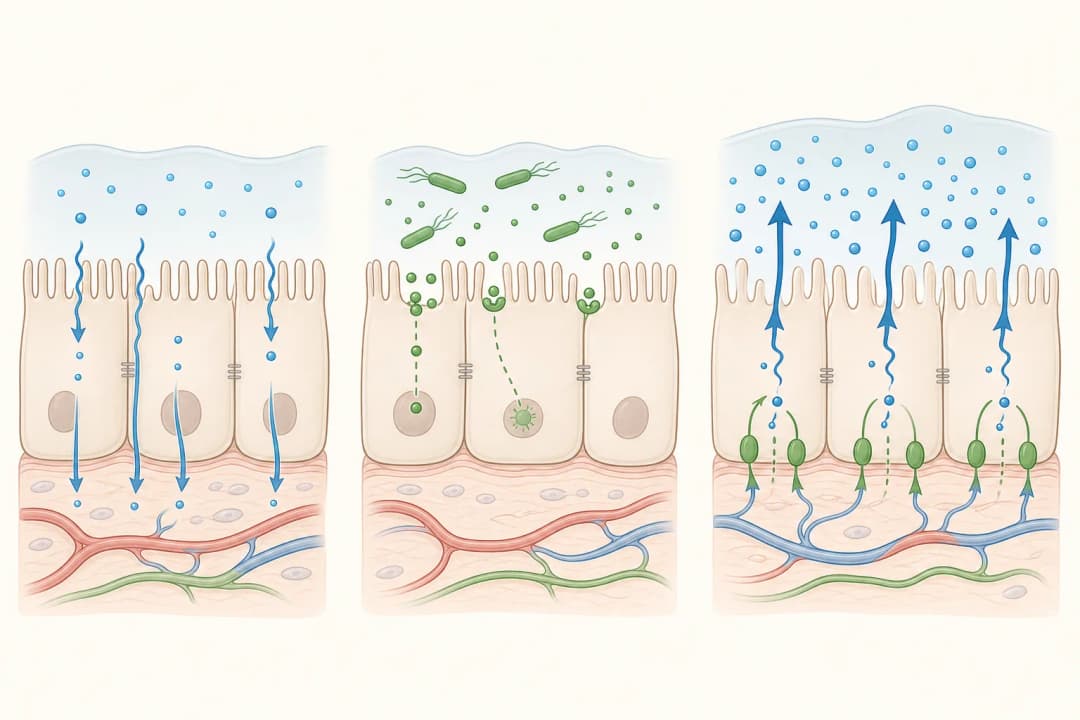
Cholera can cause sudden, watery diarrhoea and vomiting, which remove water and electrolytes from the body. Food helps provide energy, but it cannot correct dangerous fluid loss on its own. Oral rehydration solution is designed to replace water and salts in the right balance; plain water alone may not be enough. Severe dehydration may require IV Fluid Therapy in a medical setting.
Once fluids stay down, soft foods such as rice, porridge, bananas, potatoes, soup, yoghurt, or toast may be easier to manage. Appetite can return gradually. Breastfeeding should continue for infants unless a clinician gives different advice.
What to drink and eat
Take frequent small sips of Oral Rehydration Therapy solution, following the product instructions. If vomiting occurs, pause briefly and restart with slower, smaller sips. Continue replacing fluid after each loose stool. Eat small portions when able, choosing plain starchy foods, cooked vegetables, bananas, and other foods that feel tolerable.
Avoid alcohol and very sugary drinks, which can worsen diarrhoea. Greasy, heavily spiced foods and large meals may be difficult while the gut is irritated. Do not delay medical treatment while trying a food remedy, and use safe drinking water and freshly prepared food to reduce further infection risk.
When to seek urgent care
Cholera needs prompt medical assessment because dehydration can progress quickly. Seek urgent care for repeated vomiting, inability to drink, very little or no urine, marked thirst, dry mouth, unusual sleepiness, confusion, fainting, sunken eyes, cold hands or feet, or ongoing profuse watery diarrhoea. Children, older adults, pregnant people, and anyone with another serious illness may become unwell sooner.
If diarrhoea is severe or the person cannot keep rehydration solution down, do not wait for appetite to return. Contact emergency services or attend an emergency department, and take the rehydration product or treatment details with you.
Questions for your doctor
Ask which rehydration product and amount are appropriate, whether antibiotics or other treatment are needed, and when normal meals can resume. Confirm how to prepare food and water safely and what signs mean the person needs reassessment.
Find care
General Clinics & Polyclinics in Abu Dhabi
That answer is general. If you want it applied to your own case, these are licensed general clinics & polyclinics listed in Abu Dhabi.
27 Ar Ruwwad St - Shakhbout City - MSH4 - Abu Dhabi - United Arab Emirates
Accepts: Daman, Thiqa, Cigna, MetLife +20 more
Al Ruwais, Al Dhafrah
Accepts: Daman, Thiqa, AXA, Cigna +16 more
Al Bahyah - Al Bahyah Old - Abu Dhabi - United Arab Emirates
Accepts: Daman, Thiqa, Cigna, Allianz Care +18 more
Abu Dhabi
Accepts: Daman, Thiqa, AXA, Cigna +27 more
Ordered by verification status and how complete each clinic's public record is, then alphabetically. This is a directory listing, not a ranking — Zavis does not rate or recommend providers.
A factual listing drawn from the DHA, DOH and MOHAP licence registers. It is not a referral, an endorsement, or advice that any of these providers is right for you.
Questions people ask
Can cholera patients eat solid food?
Yes, when they can keep fluids down. Start with small portions of soft, plain foods and continue rehydration.
Is juice enough for cholera dehydration?
No. Use an appropriate oral rehydration solution because it replaces water and salts more effectively than sugary drinks alone.
Related
Related reading
Keep reading
Medical disclaimer. This page is general health information, not medical advice, and it cannot diagnose you. Always consult a licensed healthcare provider about your own symptoms and treatment. In an emergency in the UAE, call 998 for an ambulance.