
What should you know about flush therapy for kidney stones?
Short answer
Flush therapy for kidney stones generally refers to drinking enough fluid to avoid dehydration, but forcing large amounts of water cannot reliably dissolve or move a stone and may be unsafe when urine flow is blocked.
This answers one question. It is not a diagnosis and does not replace an assessment by a licensed doctor.
At a glance
- What the phrase refers to
- Regular fluid intake to avoid dehydration while a stone is monitored
- Main caution
- Do not force large volumes of water if urine flow may be blocked
- Urgent warning
- Fever, severe pain, repeated vomiting, or difficulty passing urine needs prompt care
The short answer
Fluid can make urine less concentrated and may support passage of a small stone, but it does not replace a diagnosis. The right plan depends on the stone's size and position, your symptoms, kidney function, and whether infection or an obstruction is present.
What flush therapy means
There is no standard medical treatment called flush therapy that washes a kidney stone out on demand. In everyday advice, the phrase generally refers to drinking regularly so that you continue making urine. This can be reasonable for some people while they are being monitored, but more fluid is not always better.
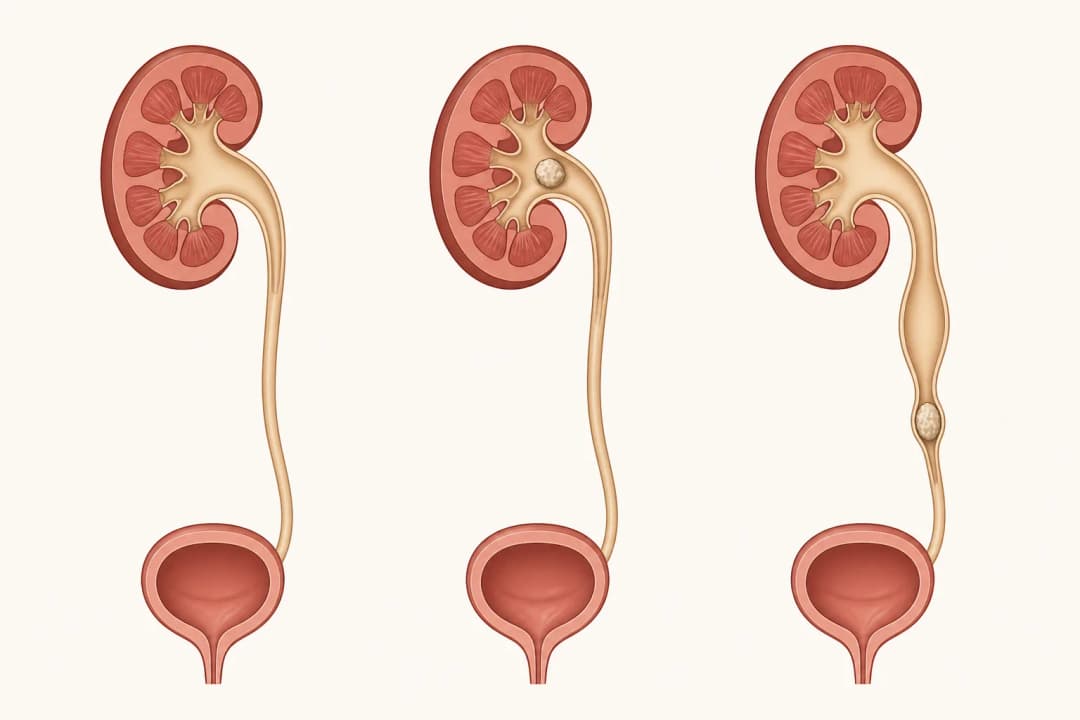
A stone can irritate the urinary tract or obstruct the tube from the kidney to the bladder. If urine cannot drain, rapidly adding fluid may increase pressure and discomfort. Drinking excessive amounts can also disturb the body's fluid and salt balance. Read more about Kidney Stones and Dehydration.
What to do
Sip fluids regularly unless a clinician has told you to restrict them. Aim for urine that is pale rather than trying to drink as much as possible in a short time. Do not use forced drinking to manage severe or worsening pain, repeated vomiting, or very little urine.
Arrange a GP Consultation for assessment, especially if the stone has not been confirmed or symptoms continue. A clinician may review your symptoms, examine you, check urine and blood tests, and decide whether imaging such as an Abdominal Ultrasound is appropriate. Treatment may include pain relief, observation, or a procedure when a stone is unlikely to pass or is causing obstruction.
Keep a record of pain, vomiting, urine output, fever, and any stone you pass. Do not take leftover antibiotics or herbal products as a substitute for assessment.
When to seek urgent care
Seek urgent medical care for fever or chills with suspected kidney stones, severe or persistent Flank Pain, repeated vomiting, faintness, confusion, or difficulty passing urine. These symptoms can signal infection, dehydration, or obstruction and need prompt assessment.
Contact a clinician promptly for blood in the urine, new Painful Urination, or Abdominal Pain that is getting worse. People with one functioning kidney, pregnancy, known kidney disease, or significant medical conditions should seek individual advice early rather than relying on a home flush.
Questions for your doctor
Ask whether your symptoms and test results suggest a stone, where it is located, and whether it is blocking urine flow. You can also ask how much fluid is suitable for you, which pain medicines are appropriate, what symptoms should trigger urgent review, and when follow-up imaging or another treatment is needed.
Find care
General Clinics & Polyclinics in Abu Dhabi
That answer is general. If you want it applied to your own case, these are licensed general clinics & polyclinics listed in Abu Dhabi.
27 Ar Ruwwad St - Shakhbout City - MSH4 - Abu Dhabi - United Arab Emirates
Accepts: Daman, Thiqa, Cigna, MetLife +20 more
Al Ruwais, Al Dhafrah
Accepts: Daman, Thiqa, AXA, Cigna +16 more
Al Bahyah - Al Bahyah Old - Abu Dhabi - United Arab Emirates
Accepts: Daman, Thiqa, Cigna, Allianz Care +18 more
Abu Dhabi
Accepts: Daman, Thiqa, AXA, Cigna +27 more
Ordered by verification status and how complete each clinic's public record is, then alphabetically. This is a directory listing, not a ranking — Zavis does not rate or recommend providers.
A factual listing drawn from the DHA, DOH and MOHAP licence registers. It is not a referral, an endorsement, or advice that any of these providers is right for you.
Questions people ask
Can drinking water dissolve a kidney stone?
Water does not reliably dissolve an established kidney stone. Regular fluids may support urine flow and help prevent dehydration, while the stone's composition and size determine what treatment is suitable.
Can I flush a kidney stone out at home?
Some small stones pass with monitoring and symptom control, but forced drinking is not a dependable home treatment. Get medical advice if the diagnosis is uncertain, symptoms persist, or urine flow is reduced.
Should I drink more if I have kidney-stone pain?
Drink normally and regularly unless you have been given fluid restrictions. Avoid rapidly consuming large amounts, particularly when pain is severe, vomiting is present, or you are passing very little urine.
Related
Related reading
Keep reading
Medical disclaimer. This page is general health information, not medical advice, and it cannot diagnose you. Always consult a licensed healthcare provider about your own symptoms and treatment. In an emergency in the UAE, call 998 for an ambulance.