
What should you know about Ewing sarcoma new treatment?
Short answer
New treatment for Ewing sarcoma is usually planned by a specialist team and may combine chemotherapy, surgery, and radiotherapy according to the tumour's site, extent, and response.
This answers one question. It is not a diagnosis and does not replace an assessment by a licensed doctor.
At a glance
- Treatment planning
- Usually coordinated by a specialist sarcoma team
- Approaches
- May combine chemotherapy, surgery, and radiotherapy
- Key information
- Tumour location, extent, pathology, and treatment response guide decisions
The short answer
The word new can refer to a changed treatment plan, a newer medicine being considered, or a clinical trial. The appropriate choice depends on confirmed pathology and imaging, not on the name of a treatment alone.
How treatment is put together
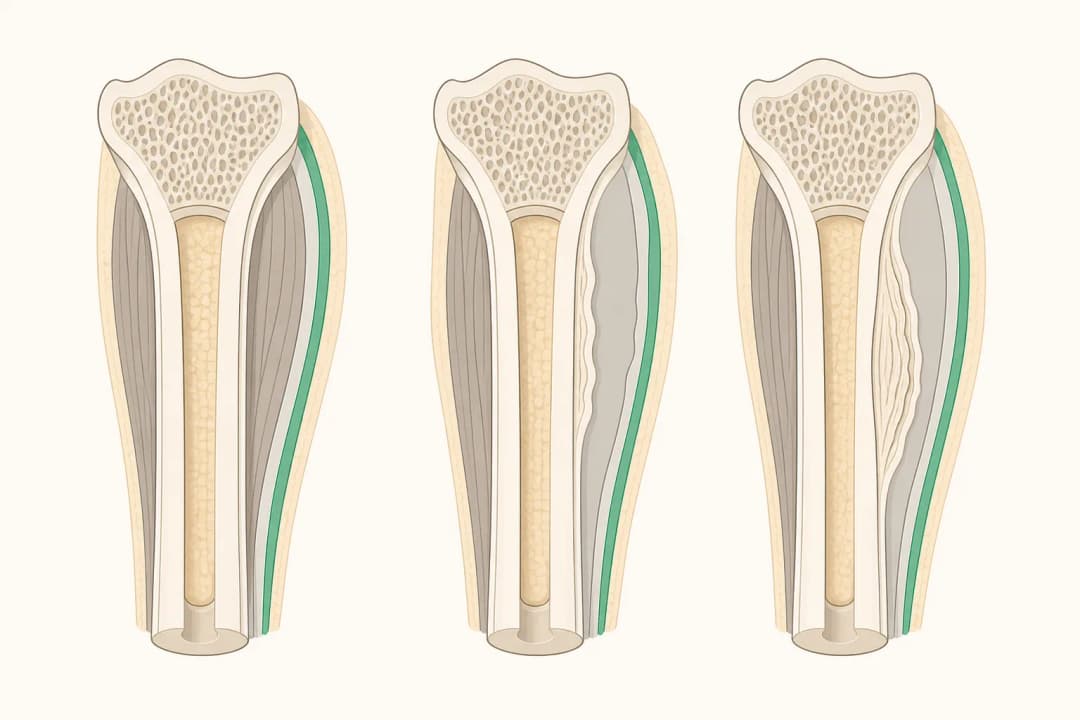
Ewing sarcoma is a cancer that can arise in bone or in soft tissue. Care commonly involves systemic treatment to reach cancer cells throughout the body, followed by local treatment aimed at the known tumour. Chemotherapy may be given before local treatment to assess how the tumour responds and after it to treat remaining microscopic disease.
Surgery may remove the tumour while preserving as much function as possible. Radiotherapy may be considered when surgery cannot safely remove all of the tumour, or when radiation is needed for local control. The team weighs tumour location, nearby structures, spread, previous treatment, and the person's general health.
What to do after a diagnosis or treatment change
Ask whether the diagnosis was confirmed by a sarcoma-experienced pathology team and whether imaging has assessed the primary site and possible spread. Keep a current list of medicines, allergies, symptoms, and previous treatments. Before starting a new treatment, ask about its purpose, timing, monitoring, fertility effects, and how side effects will be managed.
If a clinical trial is mentioned, ask what question it is testing, which treatments are available outside the trial, and what visits or scans it requires. Do not stop or change cancer treatment without speaking with the treating team.
When to seek urgent help
Contact the oncology team promptly for a fever or chills during chemotherapy, new shortness of breath, chest pain, uncontrolled bleeding, confusion, or a sudden worsening of pain. Seek emergency care for severe breathing difficulty, fainting, or symptoms that feel immediately life-threatening.
Treatment can lower blood-cell counts or affect organs, so follow the team’s instructions about temperature checks, medicines, and after-hours contact. A new symptom does not by itself show that the cancer has progressed, but it should be assessed when it is persistent, severe, or appears during treatment.
Questions for your doctor
Which part of my plan is new, and what evidence from my scans or pathology led to that recommendation? Is the aim to cure the cancer, control it, or relieve a symptom? How will you measure response, and who should I call between appointments?
Would surgery, radiotherapy, chemotherapy, or a trial be suitable for my tumour location and treatment history? What short-term effects and longer-term effects should I prepare for?
Questions people ask
Does a new Ewing sarcoma treatment replace chemotherapy?
Not necessarily. A new medicine or treatment plan may be added to, sequenced with, or substituted for an existing approach after the team reviews the tumour and prior treatment.
How will doctors know whether treatment is working?
They may combine examinations, imaging, laboratory monitoring, symptom review, and—when relevant—pathology findings. The exact schedule depends on the treatment plan.
Should every person with Ewing sarcoma join a clinical trial?
A trial may be appropriate for some people, but eligibility depends on factors such as diagnosis, disease extent, previous treatment, age, and overall health. Your oncology team can explain the available choices.
Related
Related reading
Keep reading
Cancer care in the UAE
Hospitals & Medical Centers in Abu Dhabi
Most UAE cancer care is delivered inside hospital services rather than by standalone oncology clinics, so these are licensed hospitals & medical centers listed in Abu Dhabi. Confirm the specific cancer service exists before you travel, and know that asking for a second opinion is routine.
Ahalia Hospital Musaffah Building - Musaffah - Musaffah Industrial - Abu Dhabi - United Arab Emirates
Accepts: Daman, Thiqa, AXA, Cigna +26 more
Al Ruwais Industrial City - Abu Dhabi - United Arab Emirates
Accepts: Daman, Thiqa, AXA, Cigna +30 more
Abu Dhabi, Abu Dhabi
Accepts: Daman, Thiqa, AXA, Cigna +30 more
Second opinions are routine in cancer care and asking for one does not affect your treatment. How to arrange a second opinion in the UAE.
Ordered by verification status and how complete each clinic's public record is, then alphabetically. This is a directory listing, not a ranking — Zavis does not rate or recommend providers.
A factual listing drawn from the DHA, DOH and MOHAP licence registers. It is not a referral, an endorsement, or advice that any of these providers is right for you.
Medical disclaimer. This page is general health information, not medical advice, and it cannot diagnose you. Always consult a licensed healthcare provider about your own symptoms and treatment. In an emergency in the UAE, call 998 for an ambulance.