
Does smoking cessation programme treat nicotine dependence?
Short answer
A smoking cessation programme can treat nicotine dependence by combining behavioural support with suitable help for cravings and withdrawal.
This answers one question. It is not a diagnosis and does not replace an assessment by a licensed doctor.
At a glance
- Targets
- Cravings, withdrawal and smoking routines
- Support may include
- Coaching plus medicine or nicotine replacement
How the programme works
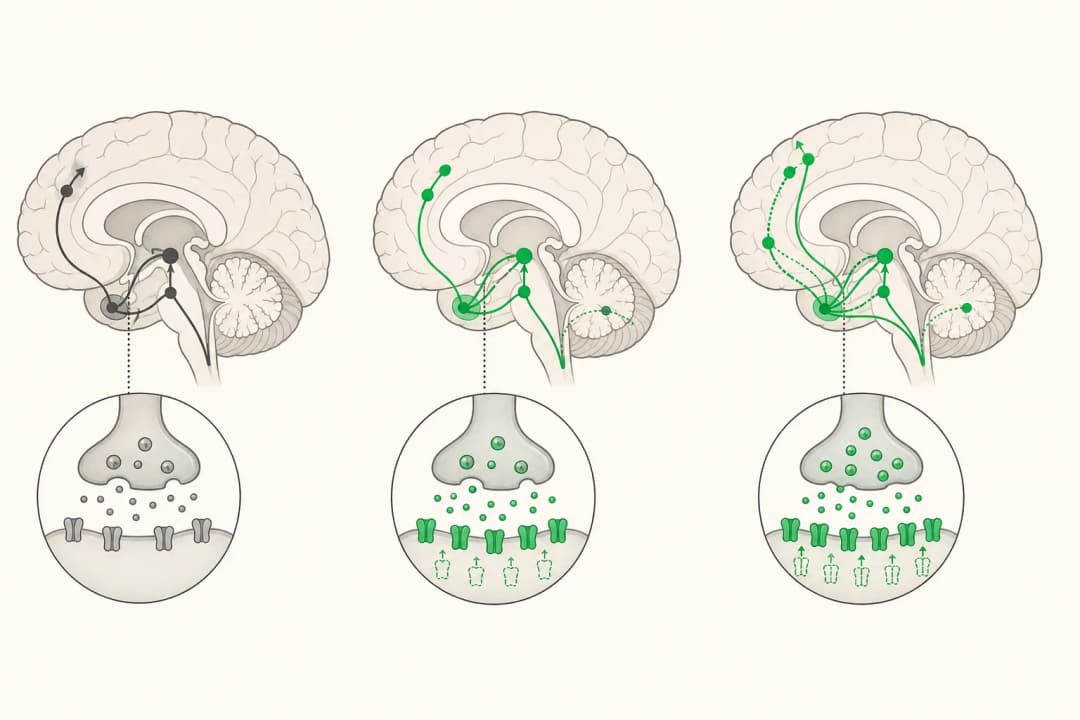
Nicotine dependence can make the brain and body expect regular nicotine. When intake falls, cravings, irritability, restlessness, difficulty concentrating or sleep changes may appear. A programme helps identify routines linked with smoking, plan for difficult moments and build skills for staying tobacco-free.
A clinician may discuss nicotine replacement or prescription treatment alongside coaching. The choice depends on your smoking pattern, other medicines, pregnancy or breastfeeding, and health history. Support can be adjusted if cravings remain strong or a lapse occurs.
Making support practical
Tell the adviser what you use, how soon after waking you smoke, and which situations trigger urges. Agree a quit date or reduction plan, prepare non-smoking responses to cravings, and use medicines exactly as directed. Remove tobacco and smoking equipment from places you use often.
A lapse is a signal to review the plan, not a reason to abandon it. Contact the programme team for help changing triggers, timing or treatment.
When to seek care
Speak with a clinician if withdrawal feels unmanageable, cravings repeatedly lead to smoking, or a treatment causes troublesome symptoms. Seek urgent help for severe allergic symptoms, chest pain, fainting, severe breathing difficulty or thoughts of self-harm. Mention pregnancy, breastfeeding and all medicines before starting a cessation product.
Questions for your doctor
Ask which support and medicine options fit your health, how to use them, how long support should continue, and what to do after a lapse. Ask how to distinguish expected withdrawal from symptoms that need medical attention.
Find care
General Clinics & Polyclinics in Abu Dhabi
That answer is general. If you want it applied to your own case, these are licensed general clinics & polyclinics listed in Abu Dhabi.
27 Ar Ruwwad St - Shakhbout City - MSH4 - Abu Dhabi - United Arab Emirates
Accepts: Daman, Thiqa, Cigna, MetLife +20 more
Al Ruwais, Al Dhafrah
Accepts: Daman, Thiqa, AXA, Cigna +16 more
Al Bahyah - Al Bahyah Old - Abu Dhabi - United Arab Emirates
Accepts: Daman, Thiqa, Cigna, Allianz Care +18 more
Abu Dhabi
Accepts: Daman, Thiqa, AXA, Cigna +27 more
Ordered by verification status and how complete each clinic's public record is, then alphabetically. This is a directory listing, not a ranking — Zavis does not rate or recommend providers.
A factual listing drawn from the DHA, DOH and MOHAP licence registers. It is not a referral, an endorsement, or advice that any of these providers is right for you.
Questions people ask
Is nicotine dependence only a matter of willpower?
No. Dependence involves biological withdrawal and learned routines, so structured support can make quitting more manageable.
What if I smoke during the programme?
Tell the support team. They can review the trigger and adjust the plan without treating the lapse as failure.
Keep reading
Medical disclaimer. This page is general health information, not medical advice, and it cannot diagnose you. Always consult a licensed healthcare provider about your own symptoms and treatment. In an emergency in the UAE, call 998 for an ambulance.