
Does kidney stones cause difficulty passing urine?
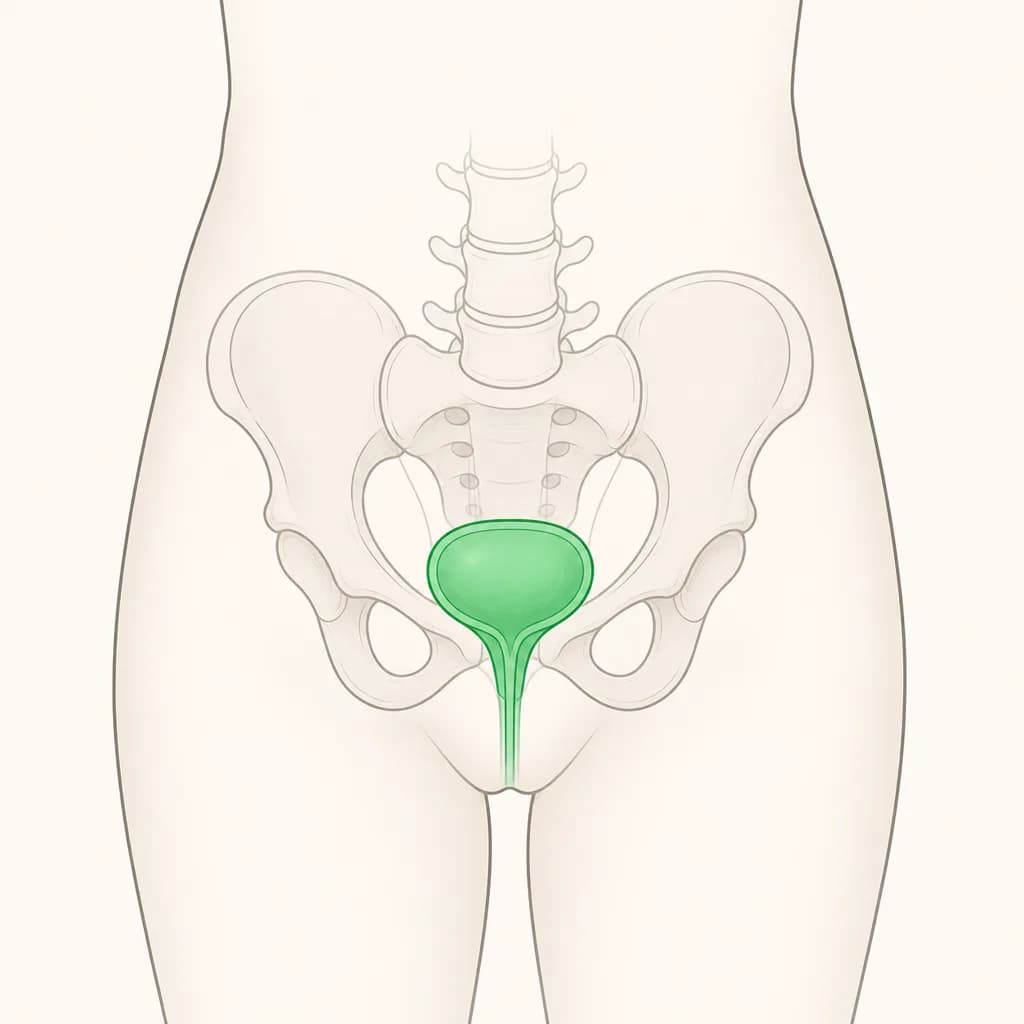
Short answer
Difficulty Passing Urine is a common presentation of Kidney Stones. A stone can irritate or partly block the urinary tract, making the stream weak, interrupted or difficult to start.
This answers one question. It is not a diagnosis and does not replace an assessment by a licensed doctor.
At a glance
- Possible effect
- A stone may irritate or partly obstruct the urinary tract.
- Urgent warning
- Inability to pass urine, particularly with fever or severe pain, needs urgent assessment.
- Other causes
- Infection, prostate enlargement, constipation and medicines can also affect urine flow.
What this symptom can mean
A kidney stone usually forms in the kidney and may travel down the ureter, the narrow tube leading to the bladder. As it moves, it may cause pain in the side or back, pain that travels towards the groin, nausea, blood in the urine or an urgent need to urinate. A stone close to the bladder outlet can affect the flow of urine more directly. Similar urinary difficulty can also have other causes, such as an enlarged prostate, infection, constipation or some medicines, so the symptom alone cannot identify its cause.
What to do now
If the difficulty is new, arrange a medical assessment, especially if you also have flank pain, blood in the urine, burning, fever or repeated vomiting. A clinician may examine you, test a urine sample and decide whether imaging or blood tests are needed. Drink fluids normally unless a clinician has told you to restrict them; forcing large amounts while urine flow is blocked can worsen discomfort. Do not take leftover antibiotics or someone else’s pain medicine.
When to seek urgent care
Seek urgent medical help if you cannot pass urine, are passing only drops with increasing pressure or pain, or have difficulty passing urine with fever, chills, confusion, severe weakness or persistent vomiting. These features can signal significant blockage or infection, which needs prompt treatment. Seek immediate help for severe, rapidly worsening pain or if you feel faint. Do not wait for the stone to pass at home when urine output has stopped.
Questions for your doctor
You could ask: Could a stone be affecting my urine flow? Do I need a urine test or scan? What symptoms would mean I should return urgently? Which pain medicines are suitable for me, and how should I monitor my urine output?
Find care
General Clinics & Polyclinics in Abu Dhabi
That answer is general. If you want it applied to your own case, these are licensed general clinics & polyclinics listed in Abu Dhabi.
27 Ar Ruwwad St - Shakhbout City - MSH4 - Abu Dhabi - United Arab Emirates
Accepts: Daman, Thiqa, Cigna, MetLife +20 more
Al Ruwais, Al Dhafrah
Accepts: Daman, Thiqa, AXA, Cigna +16 more
Al Bahyah - Al Bahyah Old - Abu Dhabi - United Arab Emirates
Accepts: Daman, Thiqa, Cigna, Allianz Care +18 more
Abu Dhabi
Accepts: Daman, Thiqa, AXA, Cigna +27 more
Ordered by verification status and how complete each clinic's public record is, then alphabetically. This is a directory listing, not a ranking — Zavis does not rate or recommend providers.
A factual listing drawn from the DHA, DOH and MOHAP licence registers. It is not a referral, an endorsement, or advice that any of these providers is right for you.
Questions people ask
Can a kidney stone stop urine from coming out?
A stone can obstruct urine flow, although complete inability to urinate needs urgent medical assessment because the blockage may be significant or another problem may be present.
Is difficulty passing urine enough to diagnose a kidney stone?
No. Difficulty passing urine has several possible causes. A clinician may use your symptoms, an examination, urine testing and imaging to find the cause.
Related
Related reading
Keep reading
Medical disclaimer. This page is general health information, not medical advice, and it cannot diagnose you. Always consult a licensed healthcare provider about your own symptoms and treatment. In an emergency in the UAE, call 998 for an ambulance.