
What should you know about cure for solar urticaria?
Short answer
Solar urticaria may be controlled rather than permanently cured, using light avoidance, protective clothing, and clinician-directed antihistamine treatment.
This answers one question. It is not a diagnosis and does not replace an assessment by a licensed doctor.
At a glance
- Typical trigger
- Certain sunlight or other light exposure
- First measures
- Shade, protective clothing, hat, and sunscreen
- Possible medicine
- Clinician-directed oral antihistamine
How sunlight can trigger hives
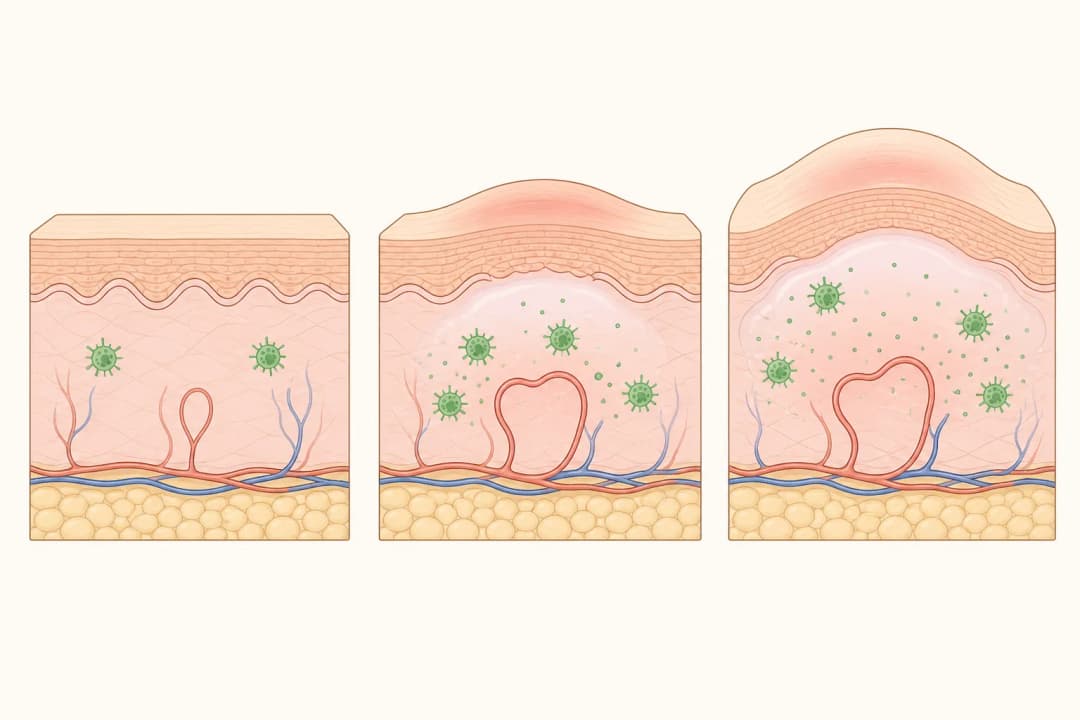
Solar urticaria is a form of hives in which exposed skin develops itchy raised welts, redness, or burning soon after certain light exposure. Covered skin may be unaffected, although light can pass through thin fabrics or glass in some situations. The reaction can settle after leaving the light, but repeated episodes deserve assessment because other light-sensitive rashes can look similar. A clinician may use the history and controlled light testing to clarify the pattern.
Reducing reactions
Use tightly woven protective clothing, a wide-brimmed hat, shade, and a suitable broad-spectrum sunscreen on exposed skin. Keep a record of the light source, timing, exposed areas, medicines, and duration of each episode. An oral antihistamine may reduce itch and welts when recommended for you. Severe or persistent cases may need specialist planning, and oral corticosteroids are not a routine self-treatment. Check medicines with a clinician because some can increase light sensitivity.
When to seek care
Get urgent help for trouble breathing, throat or tongue swelling, faintness, or widespread swelling. Seek prompt medical advice for repeated reactions, facial swelling, blistering, skin pain, or a rash that lasts beyond the expected episode. These features can suggest angioedema, a different light reaction, or another condition needing review.
Questions for your doctor
Ask whether the pattern fits solar urticaria, which light wavelengths may trigger it, and whether testing is useful. Discuss the right antihistamine plan, sunscreen and clothing choices, medicine-related light sensitivity, and what emergency symptoms should change your action.
Find care
General Clinics & Polyclinics in Abu Dhabi
That answer is general. If you want it applied to your own case, these are licensed general clinics & polyclinics listed in Abu Dhabi.
27 Ar Ruwwad St - Shakhbout City - MSH4 - Abu Dhabi - United Arab Emirates
Accepts: Daman, Thiqa, Cigna, MetLife +20 more
Al Ruwais, Al Dhafrah
Accepts: Daman, Thiqa, AXA, Cigna +16 more
Al Bahyah - Al Bahyah Old - Abu Dhabi - United Arab Emirates
Accepts: Daman, Thiqa, Cigna, Allianz Care +18 more
Abu Dhabi
Accepts: Daman, Thiqa, AXA, Cigna +27 more
Ordered by verification status and how complete each clinic's public record is, then alphabetically. This is a directory listing, not a ranking — Zavis does not rate or recommend providers.
A factual listing drawn from the DHA, DOH and MOHAP licence registers. It is not a referral, an endorsement, or advice that any of these providers is right for you.
Questions people ask
Can solar urticaria go away?
Some people have fewer reactions over time, but episodes can recur; a clinician can help identify triggers and a control plan.
Can solar urticaria cause swelling?
It can occur with swelling, including deeper swelling called angioedema; breathing or throat symptoms require urgent help.
Related
Related reading
Keep reading
Medical disclaimer. This page is general health information, not medical advice, and it cannot diagnose you. Always consult a licensed healthcare provider about your own symptoms and treatment. In an emergency in the UAE, call 998 for an ambulance.