
What should you know about cradle cap weeping?
Updated
Short answer
Weeping cradle cap can reflect irritated, broken skin and should be assessed if it persists, spreads, or looks infected.
This answers one question. It is not a diagnosis and does not replace an assessment by a licensed doctor.
At a glance
- Main concern
- Broken or irritated scalp skin
- Avoid
- Picking, scrubbing, and unadvised medicated products
- Monitor
- Redness, warmth, swelling, discharge, and fever
What weeping may mean
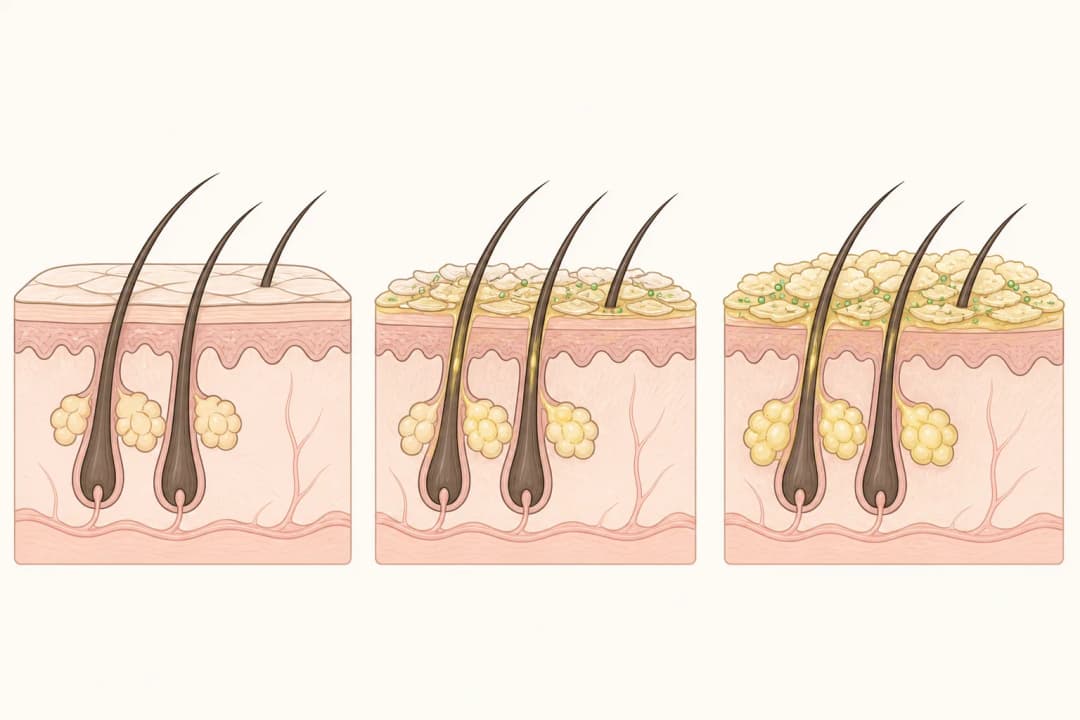
Typical cradle cap causes greasy or dry scales on the scalp, sometimes with mild redness. Clear or yellowish fluid can appear when scales have been scratched, rubbed, or lifted before the skin underneath has healed. Crusting, increasing redness, warmth, swelling, tenderness, an unpleasant smell, or thick discharge is more concerning for infection or another scalp condition. Cradle cap itself is not caused by poor hygiene, and weeping does not prove that an infection is present.
Gentle care at home
Wash the scalp gently with a mild baby shampoo, rinse well, and pat it dry. Do not pick scales or use adult dandruff products, essential oils, or medicated creams unless a clinician has advised them. A clinician may suggest [Emollient Therapy](/treatments/medical-dermatology/emollient-therapy/) to soften adherent scale. If yeast-related inflammation is suspected, [Topical Antifungal Treatment](/treatments/medical-dermatology/topical-antifungal-therapy/) may be considered with age-appropriate guidance. Keep nails short and avoid covering a moist, broken area with a tight hat.
When to seek care
Arrange prompt medical advice for spreading redness, warmth, swelling, pus-like drainage, bleeding that does not settle, marked pain, fever, reduced feeding, or unusual sleepiness. Seek urgent help if your baby seems very unwell or the skin changes are rapidly worsening. Even without these signs, contact a clinician if the scalp remains wet, repeatedly bleeds, or does not improve with gentle care.
Questions for your doctor
Ask whether the fluid looks like irritation, eczema, or infection; which cleanser is suitable; whether any treatment is safe for your baby's age; and how to protect the area while it heals.
Find care
General Clinics & Polyclinics in Dubai
That answer is general. If you want it applied to your own case, these are licensed general clinics & polyclinics listed in Dubai.
The Court Residence, 39B Street, Jumeirah 1, Dubai
Accepts: Tabby, Tamara
Elite Business Bay Residence - Shop 03 & 04, 34 Marasi Dr - Business Bay - Dubai - United Arab Emirates
Accepts: Tabby
Airport View Building, Al Garhoud, Dubai
Accepts: Daman, Thiqa, AXA, Cigna +25 more
IBIS Building, 5th Floor, Unit 5003, Deira, Dubai
Accepts: AXA, Cigna, MetLife, Allianz Care +18 more
Ordered by verification status and how complete each clinic's public record is, then alphabetically. This is a directory listing, not a ranking — Zavis does not rate or recommend providers.
A factual listing drawn from the UAE health regulators' public licence registers. It is not a referral, an endorsement, or advice that any of these providers is right for you.
Questions people ask
Is weeping cradle cap always an infection?
No. Scratching or removing scale can expose irritated skin and cause fluid or crusting, but worsening redness, warmth, swelling, pus-like drainage, or fever needs medical assessment.
Can I remove wet cradle-cap scales?
Do not pull them off. Clean gently, pat dry, and ask a clinician about a suitable way to soften stubborn scale.
Related
Related reading
Keep reading
Medical disclaimer. This page is general health information, not medical advice, and it cannot diagnose you. Always consult a licensed healthcare provider about your own symptoms and treatment. In an emergency in the UAE, call 998 for an ambulance.