
Cradle cap on a newborn’s face: what parents should know
Short answer
Cradle cap on a newborn’s face is usually a mild, scaly skin condition that needs gentle care and observation.
This answers one question. It is not a diagnosis and does not replace an assessment by a licensed doctor.
At a glance
- Common areas
- Eyebrows, hairline, ears, and cheeks
- Skin care
- Gentle cleansing and no scraping
Cradle cap on a newborn’s face
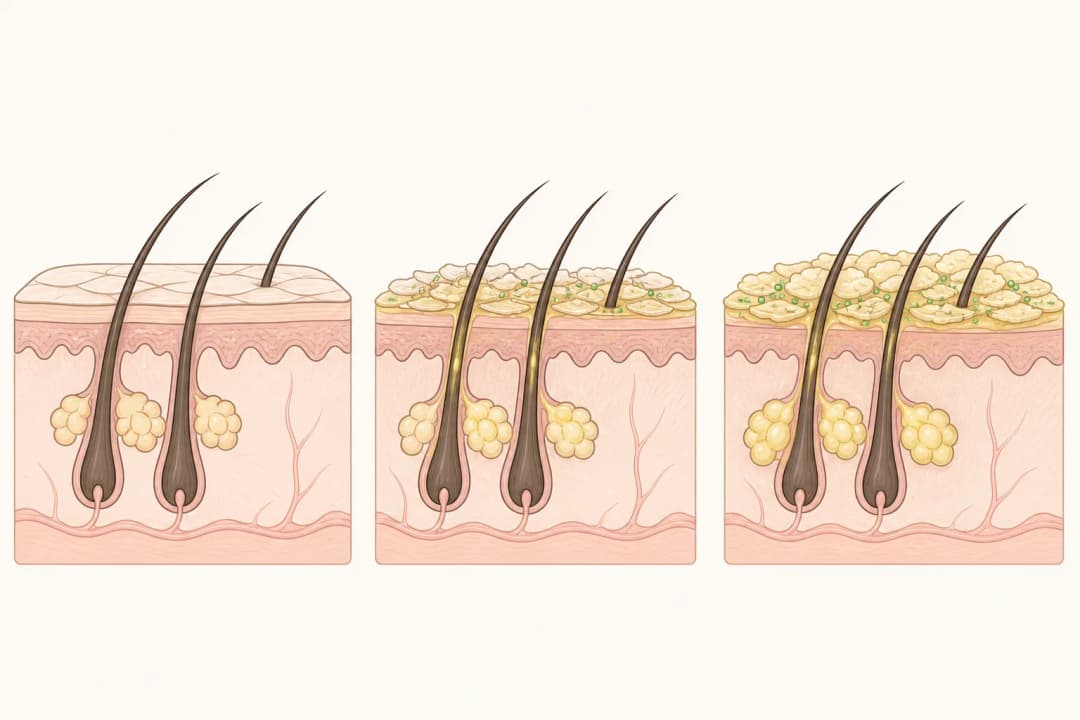
Cradle cap on a newborn’s face is usually a mild, scaly skin condition that needs gentle care and observation. It may look like greasy yellow or dry flakes around the eyebrows, hairline, ears, or cheeks. Facial skin is delicate, so rubbing, scraping, or using adult dandruff products can cause irritation.
What facial cradle cap can mean
Cradle cap, also called infantile seborrheic dermatitis, can affect areas with more oil-producing glands. The flakes may sit on pink or mildly irritated skin, and a baby may otherwise seem well. It is not caused by poor hygiene and is not something a parent has spread by touching the baby. A rash that is sharply inflamed, wet, crusted, or spreading may be a different problem.
Gentle care at home
Wash the area with lukewarm water and a mild, fragrance-free cleanser, then pat it dry. If scale is stuck, apply a small amount of a plain, baby-suitable emollient and leave it briefly to soften before gently wiping away loosened flakes. Do not pick them off. Keep oils away from the eyes, nose, and mouth, and stop any product that causes redness. A clinician may recommend a specific treatment, such as [Emollient Therapy](/treatments/medical-dermatology/emollient-therapy/) or [Topical Antifungal Treatment](/treatments/medical-dermatology/topical-antifungal-therapy/), when the appearance or persistence calls for it.
When to seek care
Arrange medical advice if the rash reaches the eyelids, becomes painful, blisters, bleeds, develops pus, or forms spreading honey-coloured crusts. Seek prompt care if the baby has a fever, seems unusually sleepy, feeds poorly, or appears unwell. A clinician should also assess facial scale that does not improve with gentle care or is difficult to distinguish from eczema or infection.
Questions for your doctor
Ask whether the rash’s location and texture fit cradle cap, whether an emollient is suitable near the eyes, and which signs would mean the treatment should stop. Mention every product already used and whether the baby has itching, broken skin, or symptoms elsewhere.
Find care
General Clinics & Polyclinics in Abu Dhabi
That answer is general. If you want it applied to your own case, these are licensed general clinics & polyclinics listed in Abu Dhabi.
27 Ar Ruwwad St - Shakhbout City - MSH4 - Abu Dhabi - United Arab Emirates
Accepts: Daman, Thiqa, Cigna, MetLife +20 more
Al Ruwais, Al Dhafrah
Accepts: Daman, Thiqa, AXA, Cigna +16 more
Al Bahyah - Al Bahyah Old - Abu Dhabi - United Arab Emirates
Accepts: Daman, Thiqa, Cigna, Allianz Care +18 more
Abu Dhabi
Accepts: Daman, Thiqa, AXA, Cigna +27 more
Ordered by verification status and how complete each clinic's public record is, then alphabetically. This is a directory listing, not a ranking — Zavis does not rate or recommend providers.
A factual listing drawn from the DHA, DOH and MOHAP licence registers. It is not a referral, an endorsement, or advice that any of these providers is right for you.
Questions people ask
Can cradle cap affect a newborn’s face?
Yes. It can appear around the eyebrows, hairline, ears, and cheeks as flaky or greasy scale.
Should facial flakes be removed?
Only loosened flakes should be wiped gently after softening; do not scratch or pull attached scale.
Related
Related reading
Keep reading
Medical disclaimer. This page is general health information, not medical advice, and it cannot diagnose you. Always consult a licensed healthcare provider about your own symptoms and treatment. In an emergency in the UAE, call 998 for an ambulance.