
What should you know about cradle cap fungal?
Short answer
Cradle cap is not automatically a fungal infection; a clinician should assess unusual redness, moisture, or spreading scale before recommending antifungal treatment.
This answers one question. It is not a diagnosis and does not replace an assessment by a licensed doctor.
At a glance
- Key point
- Cradle cap appearance does not confirm a fungal infection
- Safe default
- Gentle cleansing and no unadvised medicated cream
Cradle cap and fungal concerns
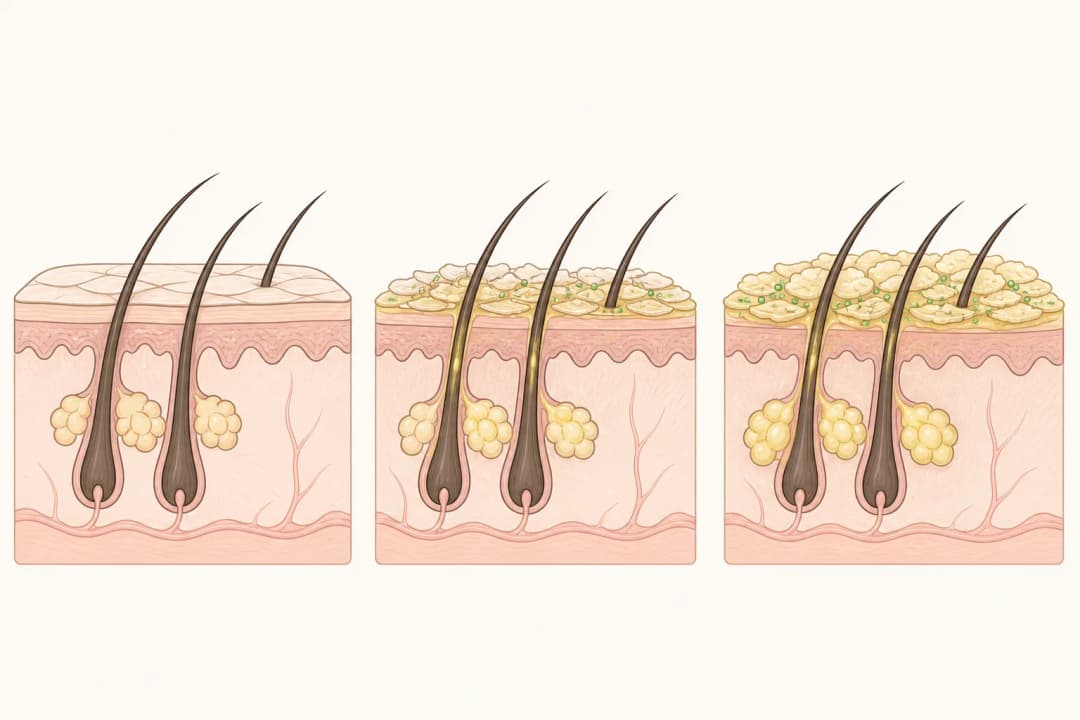
Cradle cap, or infantile seborrheic dermatitis, commonly causes flaky or greasy scale on a baby’s scalp and sometimes nearby skin. Its appearance alone does not confirm a fungal infection. Irritation, eczema, contact reactions, and other rashes can look similar, especially when the skin has been rubbed or exposed to new products.
What to do safely
Use gentle cleansing and soften attached scale with a plain emollient rather than picking. Avoid sharing medicated creams, using adult scalp products, or applying an antifungal near the eyes without professional instructions. If a clinician thinks medication is appropriate, they can explain [Topical Antifungal Treatment](/treatments/medical-dermatology/topical-antifungal-therapy/) and whether [Emollient Therapy](/treatments/medical-dermatology/emollient-therapy/) can support scale care. Follow the advised amount and application area carefully.
When to seek an assessment
Arrange medical review if the rash is rapidly spreading, intensely inflamed, painful, warm, cracked, or draining fluid. Seek prompt advice when the baby has fever, reduced feeding, unusual sleepiness, or swelling around the eyes. A clinician may need to inspect the skin because these features are not explained by simple flaking alone.
Questions for your doctor
Ask what features support cradle cap and what features suggest another infection or dermatitis. Ask whether testing is needed, which treatment is safe for the baby’s age, and when to stop or return for review.
Find care
General Clinics & Polyclinics in Abu Dhabi
That answer is general. If you want it applied to your own case, these are licensed general clinics & polyclinics listed in Abu Dhabi.
27 Ar Ruwwad St - Shakhbout City - MSH4 - Abu Dhabi - United Arab Emirates
Accepts: Daman, Thiqa, Cigna, MetLife +20 more
Al Ruwais, Al Dhafrah
Accepts: Daman, Thiqa, AXA, Cigna +16 more
Al Bahyah - Al Bahyah Old - Abu Dhabi - United Arab Emirates
Accepts: Daman, Thiqa, Cigna, Allianz Care +18 more
Abu Dhabi
Accepts: Daman, Thiqa, AXA, Cigna +27 more
Ordered by verification status and how complete each clinic's public record is, then alphabetically. This is a directory listing, not a ranking — Zavis does not rate or recommend providers.
A factual listing drawn from the DHA, DOH and MOHAP licence registers. It is not a referral, an endorsement, or advice that any of these providers is right for you.
Questions people ask
Does every case of cradle cap need antifungal treatment?
No. Many cases are managed with gentle scale care; treatment depends on the examination.
Can fungal infection and cradle cap look alike?
They can share some features, so persistent or unusual changes should be assessed rather than self-treated.
Related
Related reading
Keep reading
Medical disclaimer. This page is general health information, not medical advice, and it cannot diagnose you. Always consult a licensed healthcare provider about your own symptoms and treatment. In an emergency in the UAE, call 998 for an ambulance.