
Common drug allergy list: what to know
Short answer
Common drug allergies can cause itchy rashes, swelling, breathing symptoms, or a severe reaction, so record the suspected medicine and seek advice before taking it again.
This answers one question. It is not a diagnosis and does not replace an assessment by a licensed doctor.
At a glance
- Record
- Medicine name, timing, dose, and symptoms
- Emergency signs
- Breathing difficulty, swelling, faintness, or rapid worsening
What a drug allergy means
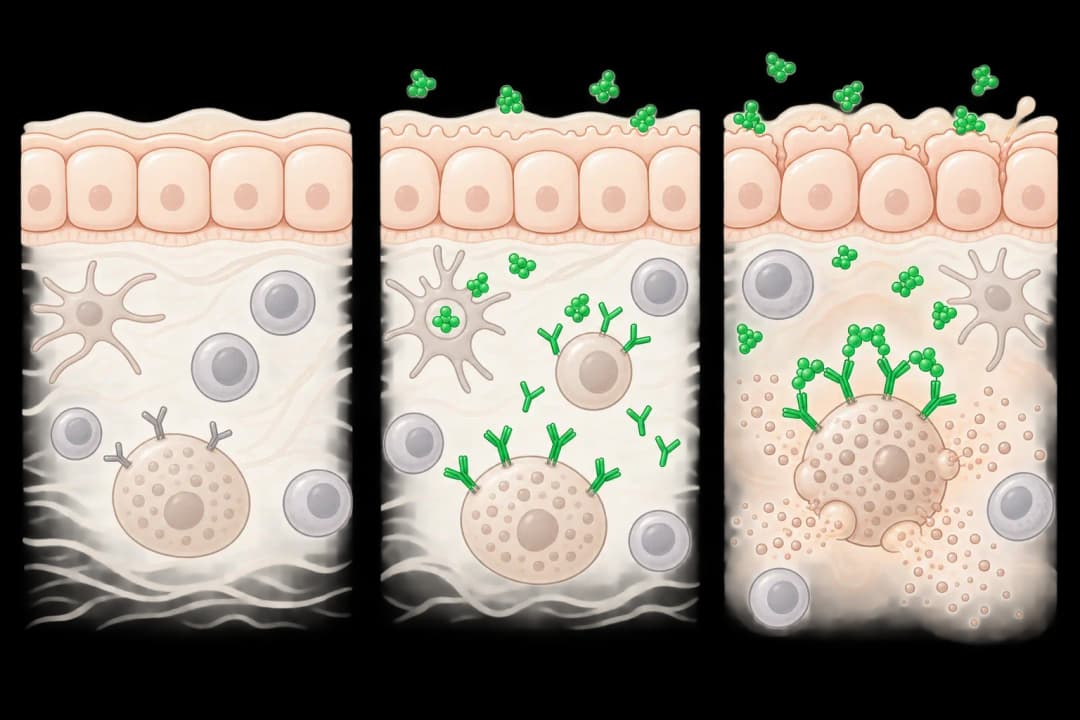
A drug allergy is an immune response to a medicine. Possible symptoms include hives, itching, facial or lip swelling, wheezing, vomiting, or dizziness. A side effect, such as nausea after a medicine, is different from an allergy, although both deserve medical review when troublesome.
Medicines often associated with allergy include antibiotics such as penicillin-type medicines, some pain relievers, and certain anticonvulsants. A reaction can happen after a medicine has been used before without difficulty. The name, dose, timing, and symptoms help a clinician decide what happened.
What to do after a suspected reaction
Stop and get prompt medical advice if a new rash, swelling, or other unusual symptom follows a medicine, unless a clinician has told you to continue it. Do not test the medicine again on your own. Keep the packet or prescription, write down when you took it, and list every symptom and other medicine used that day.
Ask a clinician to update your medical record with the suspected drug and reaction. An assessment may clarify whether this was allergy, intolerance, or another cause. Allergy Testing can sometimes support decisions about future medicines, while a GP Consultation can help review alternatives.
When to seek urgent care
Call emergency services immediately for trouble breathing, throat or tongue swelling, faintness, confusion, or rapidly worsening symptoms after a medicine. These can be signs of Anaphylaxis and require urgent treatment. Do not drive yourself if you feel faint or your breathing is affected.
Questions for your doctor
Ask which medicine should be avoided, whether related medicines are suitable, how the reaction should be recorded, and whether testing or specialist assessment is appropriate. Check what to do if the medicine is medically necessary and which symptoms should trigger emergency action.
Find care
General Clinics & Polyclinics in Abu Dhabi
That answer is general. If you want it applied to your own case, these are licensed general clinics & polyclinics listed in Abu Dhabi.
27 Ar Ruwwad St - Shakhbout City - MSH4 - Abu Dhabi - United Arab Emirates
Accepts: Daman, Thiqa, Cigna, MetLife +20 more
Al Ruwais, Al Dhafrah
Accepts: Daman, Thiqa, AXA, Cigna +16 more
Al Bahyah - Al Bahyah Old - Abu Dhabi - United Arab Emirates
Accepts: Daman, Thiqa, Cigna, Allianz Care +18 more
Abu Dhabi
Accepts: Daman, Thiqa, AXA, Cigna +27 more
Ordered by verification status and how complete each clinic's public record is, then alphabetically. This is a directory listing, not a ranking — Zavis does not rate or recommend providers.
A factual listing drawn from the DHA, DOH and MOHAP licence registers. It is not a referral, an endorsement, or advice that any of these providers is right for you.
Questions people ask
Can a side effect be the same as a drug allergy?
They can feel similar, but a side effect is not automatically an immune allergy. A clinician can assess the timing and symptom pattern.
Should I take the suspected medicine again to check?
No. Re-exposure can cause a more serious reaction and should only be considered under appropriate medical supervision.
Related
Related reading
Keep reading
Medical disclaimer. This page is general health information, not medical advice, and it cannot diagnose you. Always consult a licensed healthcare provider about your own symptoms and treatment. In an emergency in the UAE, call 998 for an ambulance.