
What should you know about cold and flu IV therapy?
Short answer
IV vitamin therapy does not replace diagnosis or standard care for a cold or flu, and it should be considered only after a clinician checks whether it is appropriate.
This answers one question. It is not a diagnosis and does not replace an assessment by a licensed doctor.
At a glance
- Purpose
- Depends on a specific clinical need
- Before treatment
- Review symptoms, conditions and medicines
- Urgent concern
- Breathing trouble, confusion or severe dehydration
What an infusion means
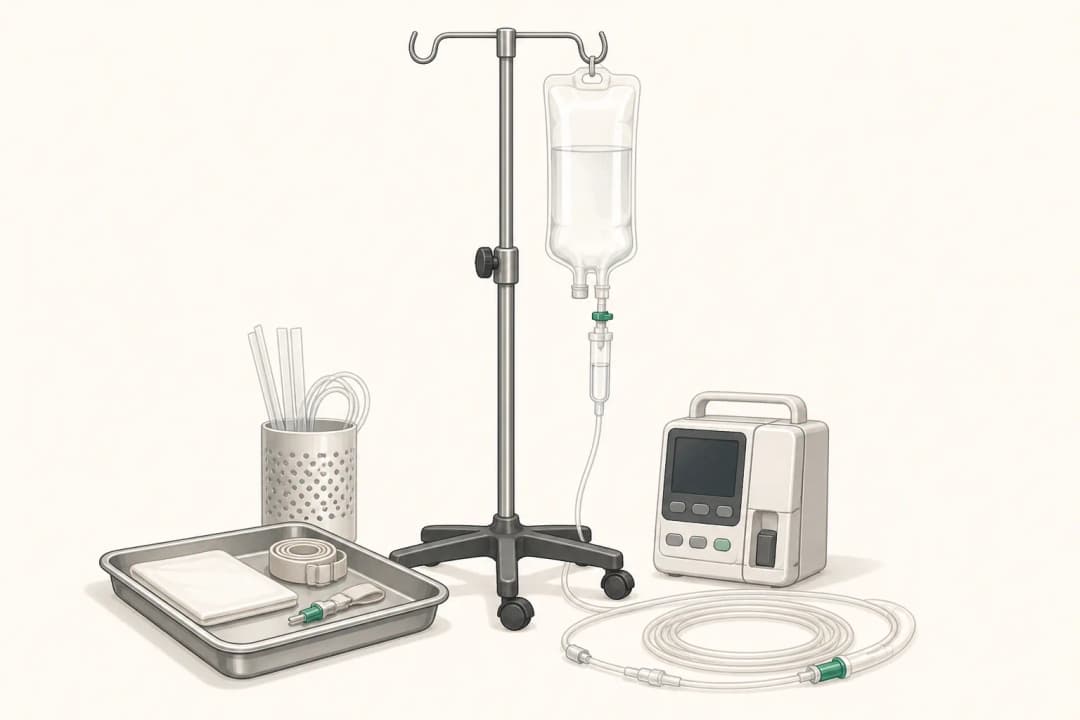
An IV drip delivers fluid and selected substances through a cannula into a vein. It may be discussed when a documented deficiency or difficulty taking treatment by mouth needs specific management, but a typical viral cold or flu is not automatically evidence of a vitamin deficiency. Fatigue after an infection can also result from the illness itself, poor sleep or dehydration.
An infusion can cause bruising, irritation, infection or an unwanted reaction. The contents and dose matter, particularly if you have kidney, heart or liver problems, are pregnant, or take regular medicines. Testing and a clinical history are more useful than choosing a drip based on a broad wellness claim.
Safer next steps
For most uncomplicated symptoms, focus on rest, regular fluids, suitable fever or pain relief, and staying home while you feel unwell. Ask a clinician whether testing is needed and whether any treatment is suitable for your age and medical history. Do not use an IV service as a substitute for assessment when you are deteriorating.
If deficiency is suspected, ask about a blood test and targeted treatment. Vitamin B12 deficiency may need an injection or another planned replacement approach; vitamin D deficiency is usually managed according to the confirmed result and clinical advice. Avoid taking several products with overlapping ingredients.
When to seek care
Seek urgent help for severe breathing difficulty, chest pain, fainting, blue or grey lips, new confusion, or inability to keep fluids down. Arrange prompt medical advice if fever is persistent or symptoms are worsening, especially if you have a long-term condition or signs of dehydration such as very dark urine and marked dizziness.
Questions to ask
What is causing my symptoms? Do I need testing for a deficiency or another infection? What would this infusion contain, what are its risks for me, and is there a better-established oral or injectable option?
Find care
General Clinics & Polyclinics in Abu Dhabi
That answer is general. If you want it applied to your own case, these are licensed general clinics & polyclinics listed in Abu Dhabi.
27 Ar Ruwwad St - Shakhbout City - MSH4 - Abu Dhabi - United Arab Emirates
Accepts: Daman, Thiqa, Cigna, MetLife +20 more
Al Ruwais, Al Dhafrah
Accepts: Daman, Thiqa, AXA, Cigna +16 more
Al Bahyah - Al Bahyah Old - Abu Dhabi - United Arab Emirates
Accepts: Daman, Thiqa, Cigna, Allianz Care +18 more
Abu Dhabi
Accepts: Daman, Thiqa, AXA, Cigna +27 more
Ordered by verification status and how complete each clinic's public record is, then alphabetically. This is a directory listing, not a ranking — Zavis does not rate or recommend providers.
A factual listing drawn from the DHA, DOH and MOHAP licence registers. It is not a referral, an endorsement, or advice that any of these providers is right for you.
Questions people ask
Can an IV vitamin drip cure flu?
No infusion should be treated as a cure. Flu symptoms may need assessment, supportive care and, in selected cases, clinician-prescribed treatment.
Could fatigue mean I need IV vitamins?
Fatigue has many causes. A clinician can assess the illness and decide whether testing for a deficiency is appropriate.
Related
Related reading
Keep reading
Medical disclaimer. This page is general health information, not medical advice, and it cannot diagnose you. Always consult a licensed healthcare provider about your own symptoms and treatment. In an emergency in the UAE, call 998 for an ambulance.