
What should you know about cica silicone gel sheet?
Short answer
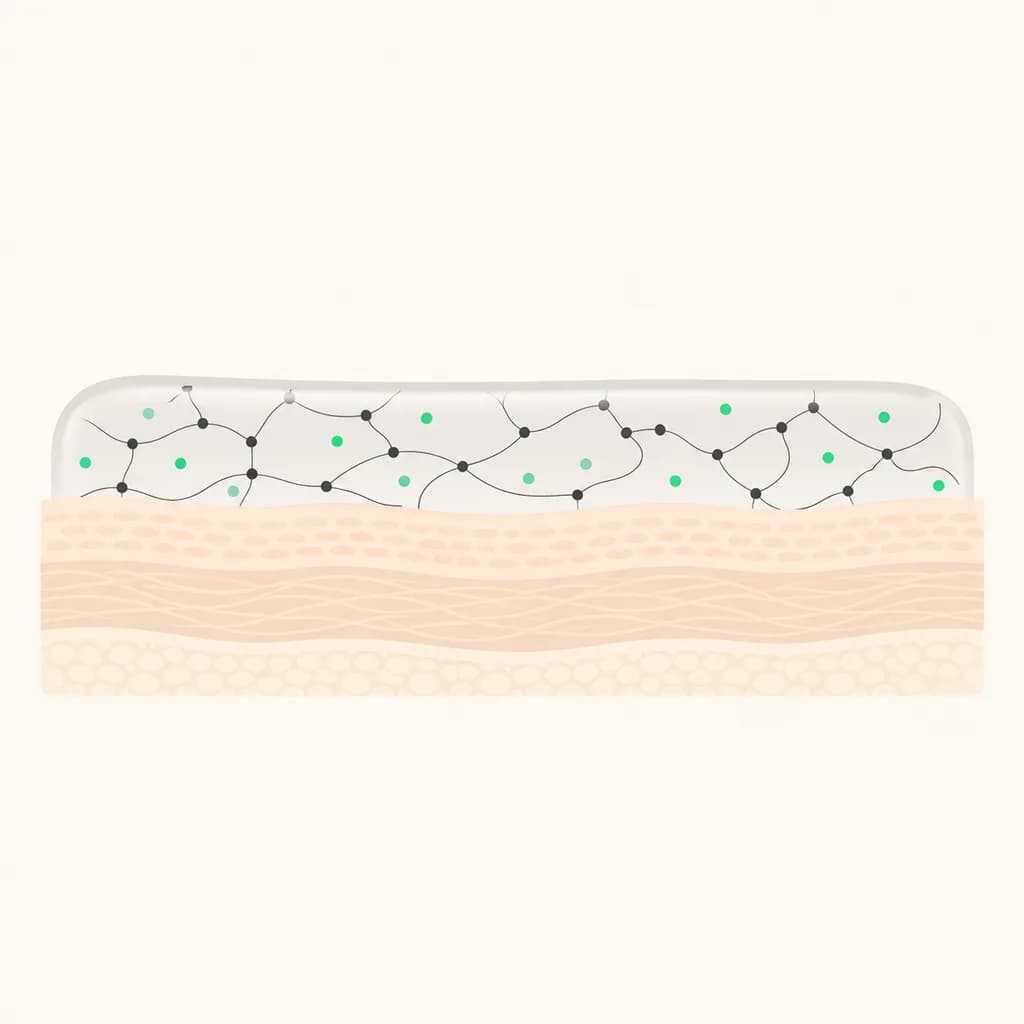
A cica silicone gel sheet covers a healed scar, helps maintain surface moisture, and may soften or flatten the scar gradually.
This answers one question. It is not a diagnosis and does not replace an assessment by a licensed doctor.
At a glance
- Apply to
- Clean, dry, intact skin
- Expected change
- Gradual softening or flattening may occur
- Avoid on
- Open, draining, or infected skin
What the sheet is for
Silicone gel sheets sit over intact scar tissue as a protective, flexible dressing. The covered surface loses less moisture and may experience less friction, which can make a raised or firm scar feel more comfortable as it matures. The sheet cannot restore normal skin texture or remove a scar, and it is not a substitute for treating an open wound, infection, or significant wound separation.
Suitability depends on the scar’s stage, position, and sensitivity. Scars near joints may need careful fitting so movement is not restricted. A clinician can check whether the scar is ready and whether another method is needed for a thick, tight, or deeply tethered scar.
Practical use
Clean and dry the area before application, and follow the package or clinician instructions for wear, washing, and storage. Start cautiously if your skin reacts easily. Inspect the scar and nearby skin whenever the sheet comes off. If redness, itching, peeling, blisters, or soreness continues, stop and ask a healthcare professional about irritation or contact sensitivity.
Keep the sheet away from an unhealed incision unless your surgical team specifically directs otherwise. For persistent symptoms or a scar that affects movement, discuss options such as [Scar Revision Surgery](/treatments/surgical-dermatology/scar-revision-surgery/). Background information is available under [Silicone Gel Sheet](/materials/silicone-gel-sheet/).
When to get medical advice
Contact a clinician if the covered area becomes increasingly warm, swollen, painful, or wet, or if pus or bleeding develops. These findings need wound assessment. Arrange a scar review if it keeps enlarging, becomes very painful or itchy, or limits movement. Seek urgent help for facial swelling, widespread hives, or breathing difficulty after using the sheet.
Useful questions
Has my skin healed enough for silicone? What wear schedule fits this scar and its location? Which signs mean I should stop? Could the scar benefit from a different treatment or specialist review?
Find care
General Clinics & Polyclinics in Abu Dhabi
That answer is general. If you want it applied to your own case, these are licensed general clinics & polyclinics listed in Abu Dhabi.
27 Ar Ruwwad St - Shakhbout City - MSH4 - Abu Dhabi - United Arab Emirates
Accepts: Daman, Thiqa, Cigna, MetLife +20 more
Al Ruwais, Al Dhafrah
Accepts: Daman, Thiqa, AXA, Cigna +16 more
Al Bahyah - Al Bahyah Old - Abu Dhabi - United Arab Emirates
Accepts: Daman, Thiqa, Cigna, Allianz Care +18 more
Abu Dhabi
Accepts: Daman, Thiqa, AXA, Cigna +27 more
Ordered by verification status and how complete each clinic's public record is, then alphabetically. This is a directory listing, not a ranking — Zavis does not rate or recommend providers.
A factual listing drawn from the DHA, DOH and MOHAP licence registers. It is not a referral, an endorsement, or advice that any of these providers is right for you.
Questions people ask
Does silicone work on every scar?
No. It may help some raised or firm scars, while deeply tethered, symptomatic, or unusual scars may need a different assessment.
What if the sheet causes itching?
Remove it, inspect the skin, and seek advice if the reaction persists or spreads.
Related
Related reading
Keep reading
Medical disclaimer. This page is general health information, not medical advice, and it cannot diagnose you. Always consult a licensed healthcare provider about your own symptoms and treatment. In an emergency in the UAE, call 998 for an ambulance.