
What should you know about chronic amoebiasis?
Updated
Short answer
Chronic amoebiasis is an ongoing or recurring intestinal infection that may cause loose stools, cramps, urgency, and fatigue, but testing is needed to confirm it.
This answers one question. It is not a diagnosis and does not replace an assessment by a licensed doctor.
At a glance
- Cause
- A parasite acquired through contaminated food, water, hands, or surfaces
- Symptoms
- Recurring diarrhoea, cramps, urgency, or fatigue
- Next step
- Clinical assessment with suitable stool testing
Understanding chronic amoebiasis
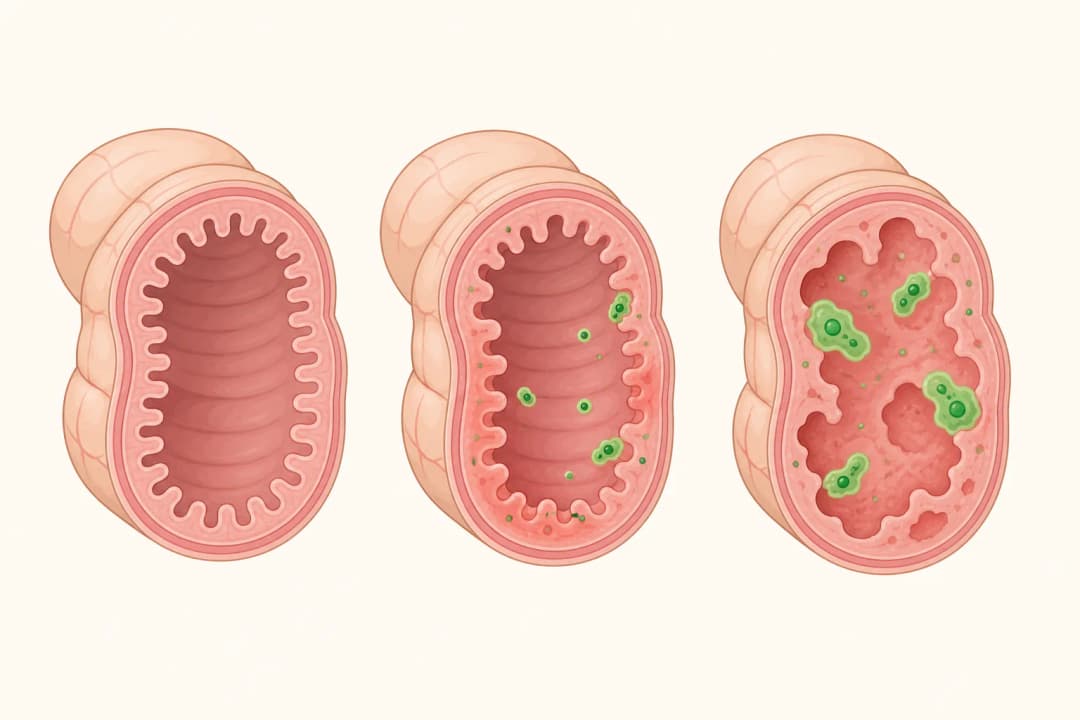
The infection is caused by a parasite acquired through contaminated food, water, hands, or surfaces. Symptoms can come and go and may include diarrhoea, abdominal tenderness, gas, mucus, or blood in the stool. Some infected people have few symptoms, so symptoms alone cannot show whether infection is present.
A clinician may request stool samples and ask about travel, sanitation, household contacts, and earlier medicines. Other infections, inflammatory bowel disease, irritable bowel syndrome, and food-related problems can cause similar complaints. Rarely, infection can affect areas beyond the intestine, which is one reason persistent or severe symptoms need review.
Managing the problem
Arrange testing rather than relying on a pharmacy medicine or an old prescription. Replace fluids and salts with appropriate oral rehydration advice, choose easy-to-tolerate foods, and keep a record of stool frequency, blood, pain, fever, and weight change.
If testing supports amoebiasis, take the prescribed antibiotic treatment exactly as directed. The clinician may choose treatment aimed at the active intestinal infection and may arrange follow-up. Wash hands with soap, use safe drinking water, and avoid sharing food or preparing meals for others while unwell.
When to seek care
Get urgent help for severe pain, a swollen or rigid abdomen, repeated vomiting, heavy bleeding, fainting, confusion, inability to drink, or very little urine. Fever with worsening symptoms also warrants prompt assessment, especially for people who are pregnant, very young, older, or immunocompromised.
Questions for your doctor
Ask how the diagnosis will be confirmed, whether samples should be collected before medicine, how to manage fluids and food, whether household hygiene changes are needed, and what follow-up would show that treatment worked.
Find care
General Clinics & Polyclinics in Dubai
That answer is general. If you want it applied to your own case, these are licensed general clinics & polyclinics listed in Dubai.
The Court Residence, 39B Street, Jumeirah 1, Dubai
Accepts: Tabby, Tamara
Elite Business Bay Residence - Shop 03 & 04, 34 Marasi Dr - Business Bay - Dubai - United Arab Emirates
Accepts: Tabby
Airport View Building, Al Garhoud, Dubai
Accepts: Daman, Thiqa, AXA, Cigna +25 more
IBIS Building, 5th Floor, Unit 5003, Deira, Dubai
Accepts: AXA, Cigna, MetLife, Allianz Care +18 more
Ordered by verification status and how complete each clinic's public record is, then alphabetically. This is a directory listing, not a ranking — Zavis does not rate or recommend providers.
A factual listing drawn from the UAE health regulators' public licence registers. It is not a referral, an endorsement, or advice that any of these providers is right for you.
Questions people ask
Is chronic amoebiasis the same as irritable bowel syndrome?
No. They can share symptoms, but amoebiasis is an infection and requires different evaluation and treatment.
Can I treat chronic amoebiasis without testing?
Testing is safer because similar symptoms have different causes and unnecessary medicine can delay the right diagnosis.
Related
Related reading
Keep reading
Medical disclaimer. This page is general health information, not medical advice, and it cannot diagnose you. Always consult a licensed healthcare provider about your own symptoms and treatment. In an emergency in the UAE, call 998 for an ambulance.