
What should you know about chronic altitude sickness?
Short answer
Chronic altitude sickness is a long-term response to reduced oxygen at high altitude that can cause persistent headache, tiredness, breathlessness, and sleep problems.
This answers one question. It is not a diagnosis and does not replace an assessment by a licensed doctor.
At a glance
- Main issue
- Reduced oxygen exposure over time
- Possible symptoms
- Headache, tiredness, breathlessness, and poor sleep
- Assessment
- Altitude history, examination, and oxygen evaluation
What it means
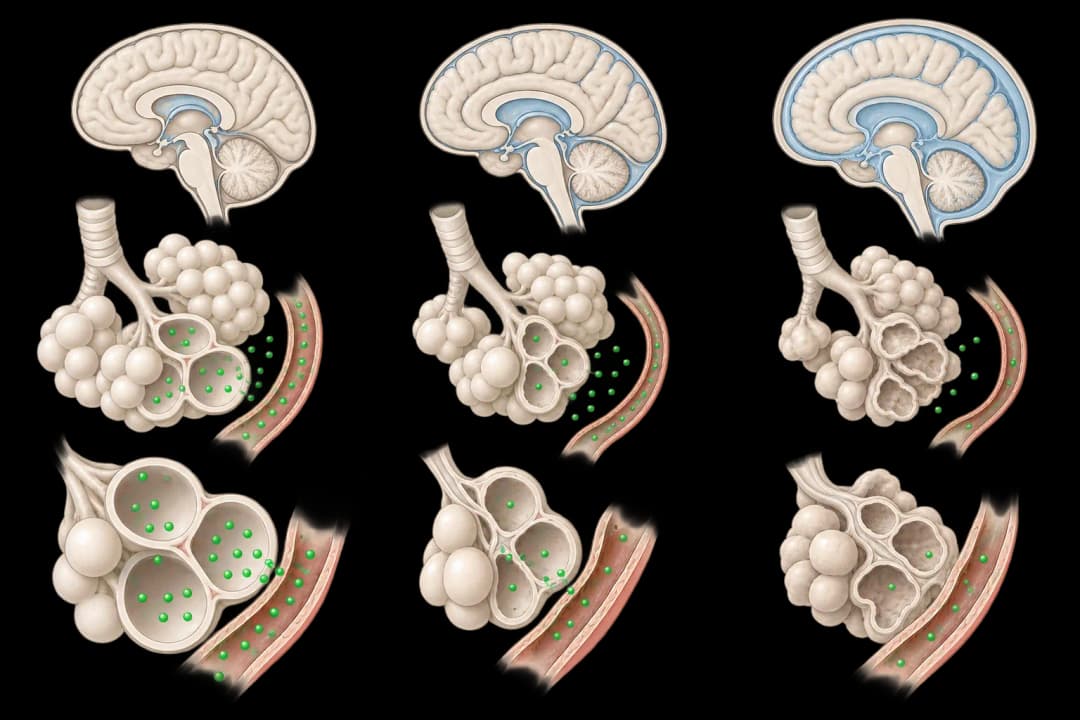
The body may respond to thin air by changing breathing and producing more red blood cells. Over time, these adjustments can become excessive or fail to provide enough oxygen. Symptoms may include headache, dizziness, reduced exercise tolerance, bluish lips, poor sleep, or feeling unusually tired. A headache and nausea can occur with altitude-related illness, but either symptom can have many other causes.
A clinician considers your altitude, length of exposure, medical history, oxygen level, examination findings, and sometimes blood tests. Chronic symptoms should not be assumed to be altitude sickness, especially if they began after returning to a lower altitude.
What to do
Arrange a medical assessment if symptoms continue while you are living or working at altitude. A travel-health clinician can review planned ascent, existing heart or lung problems, medicines, sleep quality, and whether gradual acclimatisation is suitable.
Avoid rapid ascent when possible, allow time for your body to adjust, stay hydrated, and avoid alcohol or sedatives that may worsen breathing during sleep unless prescribed. Do not start oxygen, medicines, or descent plans without individual advice. A Travel Health Consultation can help before a high-altitude trip.
When to seek care
Seek urgent care for severe or worsening headache, confusion, fainting, trouble walking, chest pain, breathlessness at rest, blue lips, or coughing with frothy sputum. Descend to a safer altitude if emergency clinicians advise it, and do not travel alone when seriously unwell.
Questions for your doctor
Ask which symptoms fit altitude illness, whether another condition or medicine could explain them, whether oxygen measurement or blood tests are needed, and how to plan ascent, sleep, activity, and descent safely.
Find care
General Clinics & Polyclinics in Abu Dhabi
That answer is general. If you want it applied to your own case, these are licensed general clinics & polyclinics listed in Abu Dhabi.
27 Ar Ruwwad St - Shakhbout City - MSH4 - Abu Dhabi - United Arab Emirates
Accepts: Daman, Thiqa, Cigna, MetLife +20 more
Al Ruwais, Al Dhafrah
Accepts: Daman, Thiqa, AXA, Cigna +16 more
Al Bahyah - Al Bahyah Old - Abu Dhabi - United Arab Emirates
Accepts: Daman, Thiqa, Cigna, Allianz Care +18 more
Abu Dhabi
Accepts: Daman, Thiqa, AXA, Cigna +27 more
Ordered by verification status and how complete each clinic's public record is, then alphabetically. This is a directory listing, not a ranking — Zavis does not rate or recommend providers.
A factual listing drawn from the DHA, DOH and MOHAP licence registers. It is not a referral, an endorsement, or advice that any of these providers is right for you.
Questions people ask
Can chronic altitude sickness continue after coming down?
Symptoms may persist or have another cause, so continuing problems after descent deserve medical assessment.
Should I use oxygen for chronic altitude sickness?
Oxygen may be appropriate in selected situations, but it should be started with professional guidance.
Related
Related reading
Keep reading
Medical disclaimer. This page is general health information, not medical advice, and it cannot diagnose you. Always consult a licensed healthcare provider about your own symptoms and treatment. In an emergency in the UAE, call 998 for an ambulance.