
What should you know about cholera victorian era?
Short answer
Victorian-era cholera caused severe watery diarrhoea and dehydration, while modern care focuses on clean water, sanitation, and rapid rehydration.
This answers one question. It is not a diagnosis and does not replace an assessment by a licensed doctor.
At a glance
- Historical driver
- Unsafe water and limited sanitation
- Organism
- Vibrio cholerae
- Modern priority
- Rapid fluid replacement
Cholera in historical context
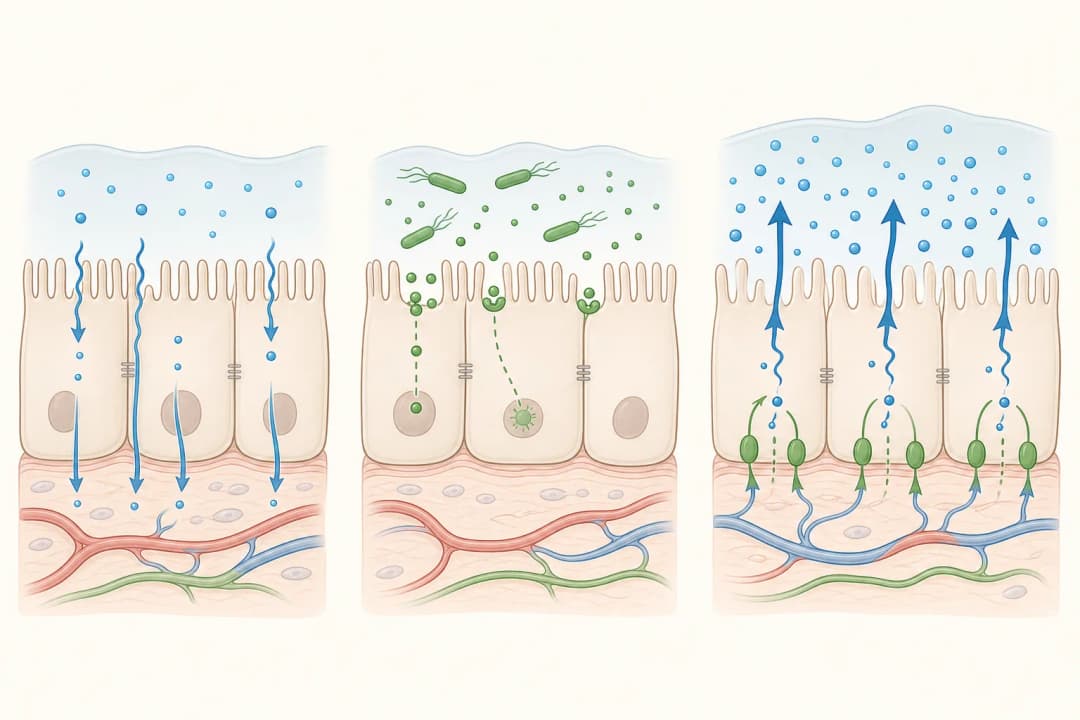
During the Victorian era, crowded communities and limited sanitation allowed contaminated water and food to spread Vibrio cholerae. Medical teams had fewer tools for fluid replacement and infection control than clinicians have today. Historical descriptions may use terms such as cholera victims or epidemics, but the underlying illness is still an intestinal infection that can cause rapid fluid loss.
The historical label does not mean cholera is confined to the past. Current risk depends on exposure and local conditions, not on the period being discussed. Sudden watery diarrhoea should be taken seriously whatever the setting.
What modern care involves
Use treated or sealed drinking water, wash hands carefully, and keep food preparation surfaces clean. If illness begins, start appropriate oral rehydration while contacting a healthcare professional. [Oral Rehydration Therapy] replaces water and salts that diarrhoea removes; this is a central difference between supportive care now and many historical accounts.
When a person cannot drink enough or becomes severely dehydrated, clinicians may use [IV Fluid Therapy]. Antibiotics and other decisions depend on assessment rather than on the historical name of the illness.
When symptoms need urgent attention
Seek urgent care for repeated watery stools, ongoing vomiting, faintness, confusion, unusual sleepiness, severe weakness, very little urine, or inability to drink. These warning signs point to dangerous dehydration. Read [Diarrhoea] for broader symptom information, but do not delay assessment when fluid loss is increasing.
Questions for your doctor
Ask how historical descriptions compare with your symptoms, whether testing is appropriate, how to prepare and use oral rehydration safely, and what signs mean that hospital treatment is needed.
Find care
General Clinics & Polyclinics in Abu Dhabi
That answer is general. If you want it applied to your own case, these are licensed general clinics & polyclinics listed in Abu Dhabi.
27 Ar Ruwwad St - Shakhbout City - MSH4 - Abu Dhabi - United Arab Emirates
Accepts: Daman, Thiqa, Cigna, MetLife +20 more
Al Ruwais, Al Dhafrah
Accepts: Daman, Thiqa, AXA, Cigna +16 more
Al Bahyah - Al Bahyah Old - Abu Dhabi - United Arab Emirates
Accepts: Daman, Thiqa, Cigna, Allianz Care +18 more
Abu Dhabi
Accepts: Daman, Thiqa, AXA, Cigna +27 more
Ordered by verification status and how complete each clinic's public record is, then alphabetically. This is a directory listing, not a ranking — Zavis does not rate or recommend providers.
A factual listing drawn from the DHA, DOH and MOHAP licence registers. It is not a referral, an endorsement, or advice that any of these providers is right for you.
Questions people ask
Is cholera only a historical disease?
No. The same bacterial infection can occur today when contaminated water or food exposes people.
Why was cholera so dangerous historically?
Severe fluid loss could progress before effective rehydration and infection-control measures were available.
Related
Related reading
Keep reading
Medical disclaimer. This page is general health information, not medical advice, and it cannot diagnose you. Always consult a licensed healthcare provider about your own symptoms and treatment. In an emergency in the UAE, call 998 for an ambulance.