
What should you know about cholera vaccine type?
Short answer
Cholera vaccines are oral vaccines that help lower the risk of cholera, but safe water and rapid rehydration remain essential.
This answers one question. It is not a diagnosis and does not replace an assessment by a licensed doctor.
At a glance
- Route
- Taken by mouth
- Purpose
- Helps reduce cholera risk
- Still needed
- Safe water and prompt rehydration
What the vaccine type means
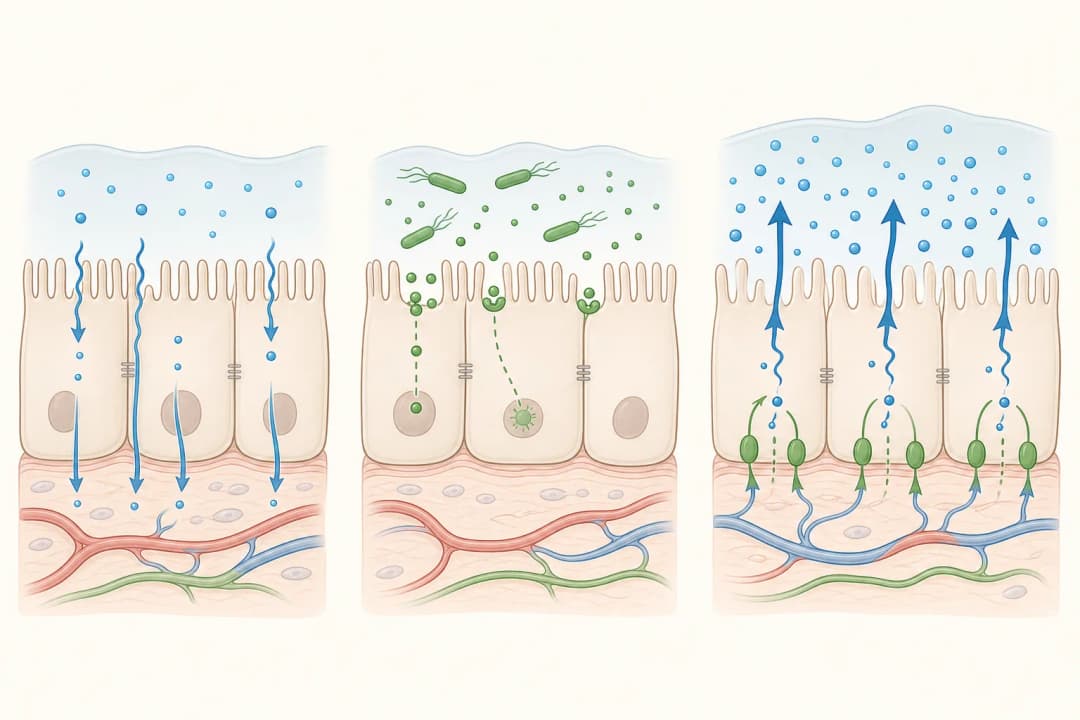
Cholera vaccines are taken by mouth rather than given as a routine injection. They are intended to prepare the gut’s immune defences against Vibrio cholerae, the bacterium that causes cholera. The product, schedule, age eligibility, and need for repeat doses depend on the vaccine available and the person’s travel or public-health situation.
Vaccination reduces risk but does not make contaminated food or water safe. It also does not treat diarrhoea after it begins. People can have cholera with sudden, watery stools and lose fluid quickly, so prevention and prompt treatment work together.
What to do before and after vaccination
Ask a clinician or travel-health service which oral cholera vaccine is appropriate, when to take each dose, and whether illness, pregnancy, allergies, or medicines affect the plan. Follow the product instructions closely and continue careful handwashing, food hygiene, and use of treated or sealed drinking water.
If diarrhoea develops, begin suitable oral rehydration while arranging medical advice. Oral rehydration therapy replaces water and salts lost through stools; severe dehydration may require IV Fluid Therapy in a medical setting. Read more about [Diarrhoea] and [Oral Rehydration Therapy].
When to seek urgent care
Seek urgent medical help for repeated watery stools, vomiting that prevents drinking, marked thirst, a dry mouth, very little urine, unusual sleepiness, fainting, confusion, or cold and weak skin. These signs can indicate dangerous fluid loss. Do not wait for vaccine protection to develop, and do not rely on vaccination alone when symptoms are progressing. [IV Fluid Therapy] may be needed for severe dehydration.
Questions for your doctor
Ask which vaccine product is available, how its doses should be timed, what side effects to watch for, whether your health history changes the recommendation, and what rehydration plan to use if diarrhoea occurs.
Find care
General Clinics & Polyclinics in Abu Dhabi
That answer is general. If you want it applied to your own case, these are licensed general clinics & polyclinics listed in Abu Dhabi.
27 Ar Ruwwad St - Shakhbout City - MSH4 - Abu Dhabi - United Arab Emirates
Accepts: Daman, Thiqa, Cigna, MetLife +20 more
Al Ruwais, Al Dhafrah
Accepts: Daman, Thiqa, AXA, Cigna +16 more
Al Bahyah - Al Bahyah Old - Abu Dhabi - United Arab Emirates
Accepts: Daman, Thiqa, Cigna, Allianz Care +18 more
Abu Dhabi
Accepts: Daman, Thiqa, AXA, Cigna +27 more
Ordered by verification status and how complete each clinic's public record is, then alphabetically. This is a directory listing, not a ranking — Zavis does not rate or recommend providers.
A factual listing drawn from the DHA, DOH and MOHAP licence registers. It is not a referral, an endorsement, or advice that any of these providers is right for you.
Questions people ask
Does the vaccine treat cholera?
No. It is preventive; suspected cholera still needs prompt fluid replacement and medical assessment.
Can vaccinated people still get diarrhoea?
Yes. Vaccination does not prevent every cause of diarrhoea, so hygiene and safe water remain necessary.
Related
Related reading
Keep reading
Medical disclaimer. This page is general health information, not medical advice, and it cannot diagnose you. Always consult a licensed healthcare provider about your own symptoms and treatment. In an emergency in the UAE, call 998 for an ambulance.