
What should you know about cholera type?
Short answer
Cholera is a bacterial intestinal infection that can cause sudden watery diarrhoea and serious dehydration.
This answers one question. It is not a diagnosis and does not replace an assessment by a licensed doctor.
At a glance
- Cause
- Certain strains of Vibrio cholerae
- Main danger
- Rapid loss of water and salts
What this type of illness means
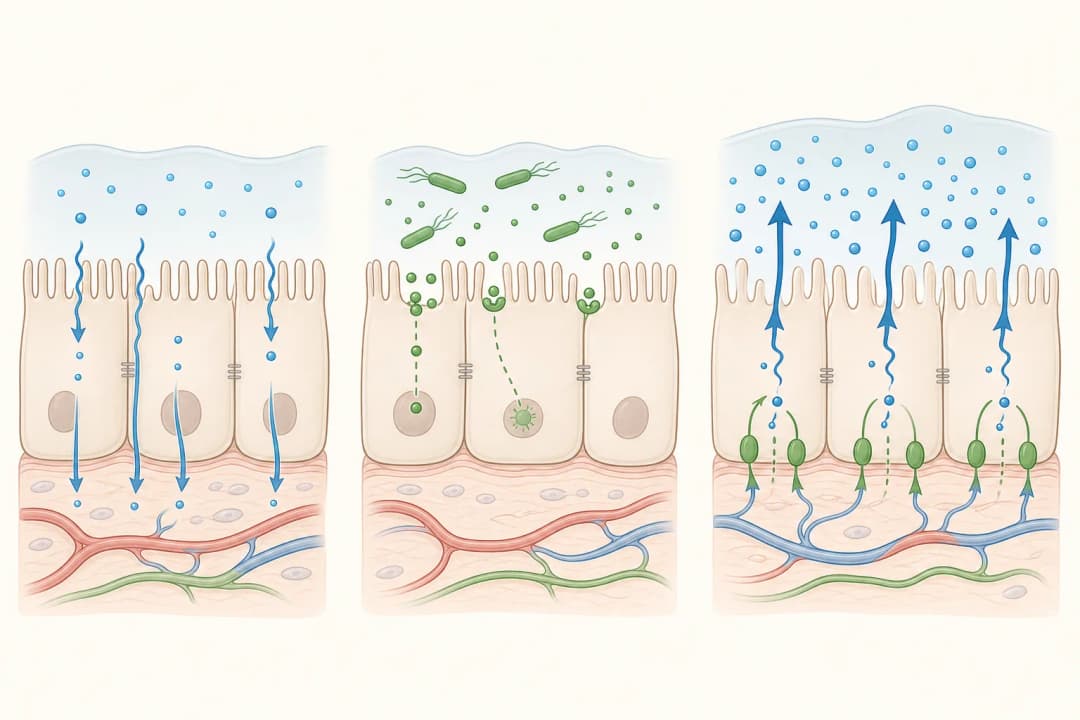
Cholera is caused by certain strains of Vibrio cholerae, usually acquired through contaminated water or food. The bacteria produce a toxin that makes the intestine release large amounts of water and salts. Some infected people have mild symptoms or none, while others develop abrupt, frequent watery stools and vomiting. The infection is not identified by stool appearance alone; a clinician may decide whether testing and public-health advice are needed.
Practical steps
If cholera is possible, start oral rehydration solution as directed and arrange prompt medical assessment. Take small sips often if nausea is present. Use safe water for drinking, cooking, brushing teeth, and preparing rehydration solution. Wash hands thoroughly after toilet use and before handling food, clean shared surfaces, and avoid preparing meals for other people while ill. Do not take leftover antibiotics or anti-diarrhoeal medicine without professional advice.
When to seek urgent help
Urgent help is needed for fainting, confusion, unusual sleepiness, severe thirst, a dry mouth, little or no urine, cold skin, persistent vomiting, or diarrhoea that is too frequent to replace by drinking. Seek early advice for a young child, older adult, pregnancy, or a person with kidney, heart, or other long-term disease. A person can become dehydrated even when there is no fever.
Questions to bring
Ask how cholera is confirmed, how to protect household members, which fluids are appropriate, and what symptoms should trigger immediate transfer to hospital.
Find care
General Clinics & Polyclinics in Abu Dhabi
That answer is general. If you want it applied to your own case, these are licensed general clinics & polyclinics listed in Abu Dhabi.
27 Ar Ruwwad St - Shakhbout City - MSH4 - Abu Dhabi - United Arab Emirates
Accepts: Daman, Thiqa, Cigna, MetLife +20 more
Al Ruwais, Al Dhafrah
Accepts: Daman, Thiqa, AXA, Cigna +16 more
Al Bahyah - Al Bahyah Old - Abu Dhabi - United Arab Emirates
Accepts: Daman, Thiqa, Cigna, Allianz Care +18 more
Abu Dhabi
Accepts: Daman, Thiqa, AXA, Cigna +27 more
Ordered by verification status and how complete each clinic's public record is, then alphabetically. This is a directory listing, not a ranking — Zavis does not rate or recommend providers.
A factual listing drawn from the DHA, DOH and MOHAP licence registers. It is not a referral, an endorsement, or advice that any of these providers is right for you.
Questions people ask
Is cholera always severe?
No. Illness can be mild or symptom-free, but severe fluid loss can develop and should be treated urgently.
Can cholera spread between people?
It can spread when contaminated material reaches food or water, so hand hygiene, safe water, and careful food handling matter.
Related
Related reading
Keep reading
Medical disclaimer. This page is general health information, not medical advice, and it cannot diagnose you. Always consult a licensed healthcare provider about your own symptoms and treatment. In an emergency in the UAE, call 998 for an ambulance.