
Cholera remedies
Short answer
The most useful cholera remedy is prompt rehydration with oral solution or intravenous fluids, guided by the severity of dehydration.
This answers one question. It is not a diagnosis and does not replace an assessment by a licensed doctor.
At a glance
- First-line focus
- Replace lost water and salts
- Small sips
- Useful when nausea limits drinking
- Clinical treatment
- May include intravenous fluids
Why rehydration matters
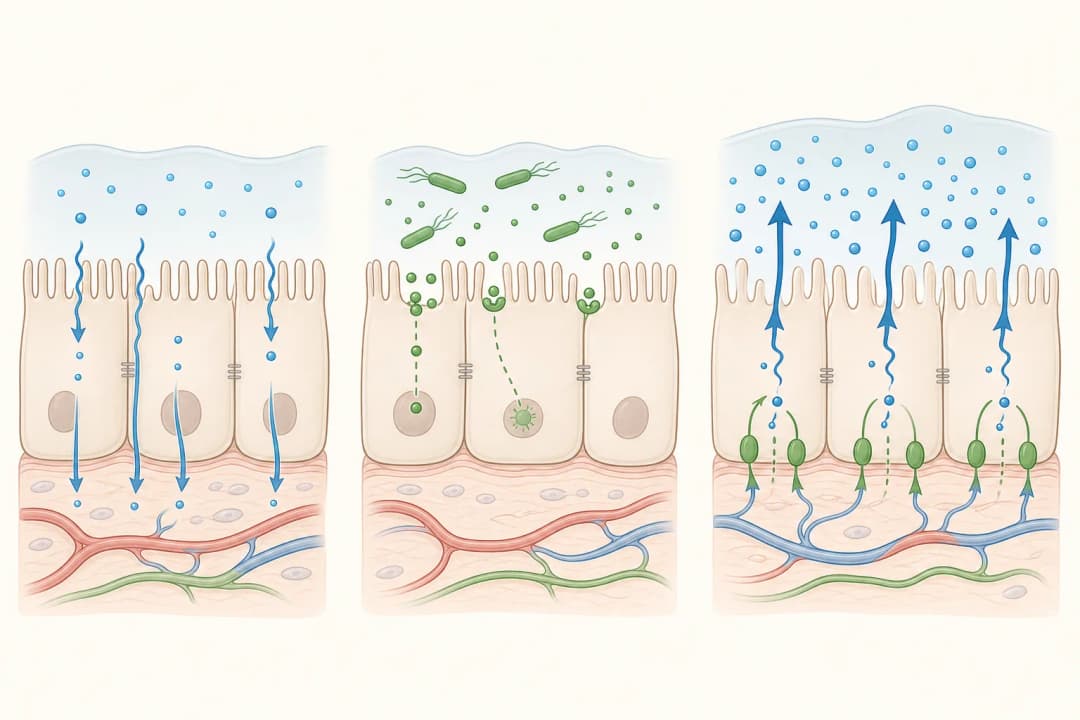
Cholera can produce large losses of water and salts through watery diarrhoea and vomiting. Rehydration addresses the immediate danger by restoring circulating fluid and electrolytes. It does not mean that every drink has the right balance: very sugary drinks, alcohol and plain water alone may not replace losses appropriately. A clinician may decide whether additional medicines are suitable after assessing the person.
The illness can make someone weak before they recognise how dehydrated they are. Information about [Diarrhoea](/symptoms/diarrhoea/) can help you describe the pattern accurately to a healthcare professional.
What to do now
Use a correctly prepared [Oral Rehydration Therapy](/treatments/acute-and-urgent-care/oral-rehydration-therapy/) solution and give frequent small amounts, especially when nausea is present. Keep the person under observation, continue feeding when tolerated, and use safe water for preparation. Severe dehydration, persistent vomiting or reduced consciousness calls for [IV Fluid Therapy](/treatments/acute-and-urgent-care/iv-fluid-therapy/) and medical supervision. Avoid treating cholera with leftover antibiotics or anti-diarrhoeal medicines unless a clinician specifically recommends them.
When medical help is urgent
Go for urgent assessment if the person is drowsy, confused, faint, unable to swallow fluids, passing very little urine, or showing cold hands and feet with marked weakness. Repeated watery stools, ongoing vomiting, or signs of dehydration in an infant or older adult also warrant prompt care. Contact a healthcare service even if a home remedy seemed to help when fluid loss continues.
Questions to raise
Ask which solution to use, how much to give between episodes of diarrhoea, whether the person needs observation or intravenous fluids, and which medicines should be avoided during the illness.
Find care
General Clinics & Polyclinics in Abu Dhabi
That answer is general. If you want it applied to your own case, these are licensed general clinics & polyclinics listed in Abu Dhabi.
27 Ar Ruwwad St - Shakhbout City - MSH4 - Abu Dhabi - United Arab Emirates
Accepts: Daman, Thiqa, Cigna, MetLife +20 more
Al Ruwais, Al Dhafrah
Accepts: Daman, Thiqa, AXA, Cigna +16 more
Al Bahyah - Al Bahyah Old - Abu Dhabi - United Arab Emirates
Accepts: Daman, Thiqa, Cigna, Allianz Care +18 more
Abu Dhabi
Accepts: Daman, Thiqa, AXA, Cigna +27 more
Ordered by verification status and how complete each clinic's public record is, then alphabetically. This is a directory listing, not a ranking — Zavis does not rate or recommend providers.
A factual listing drawn from the DHA, DOH and MOHAP licence registers. It is not a referral, an endorsement, or advice that any of these providers is right for you.
Questions people ask
Is rice water enough to treat cholera?
Rice water may provide some fluid, but it does not reliably replace the salts lost in cholera and should not substitute for oral rehydration solution or medical care.
Should antibiotics be taken at home?
Only use antibiotics when prescribed for the individual situation; rehydration remains the urgent treatment for fluid loss.
Related
Related reading
Keep reading
Medical disclaimer. This page is general health information, not medical advice, and it cannot diagnose you. Always consult a licensed healthcare provider about your own symptoms and treatment. In an emergency in the UAE, call 998 for an ambulance.