
Cholera recovery time
Short answer
Cholera recovery can begin quickly after effective rehydration, but weakness and loose stools may continue while the body restores its fluid balance.
This answers one question. It is not a diagnosis and does not replace an assessment by a licensed doctor.
At a glance
- Main recovery priority
- Replace water and salts promptly
- Watch at home
- Alertness, thirst and urine output
- Escalate for
- Confusion or inability to drink
What recovery involves
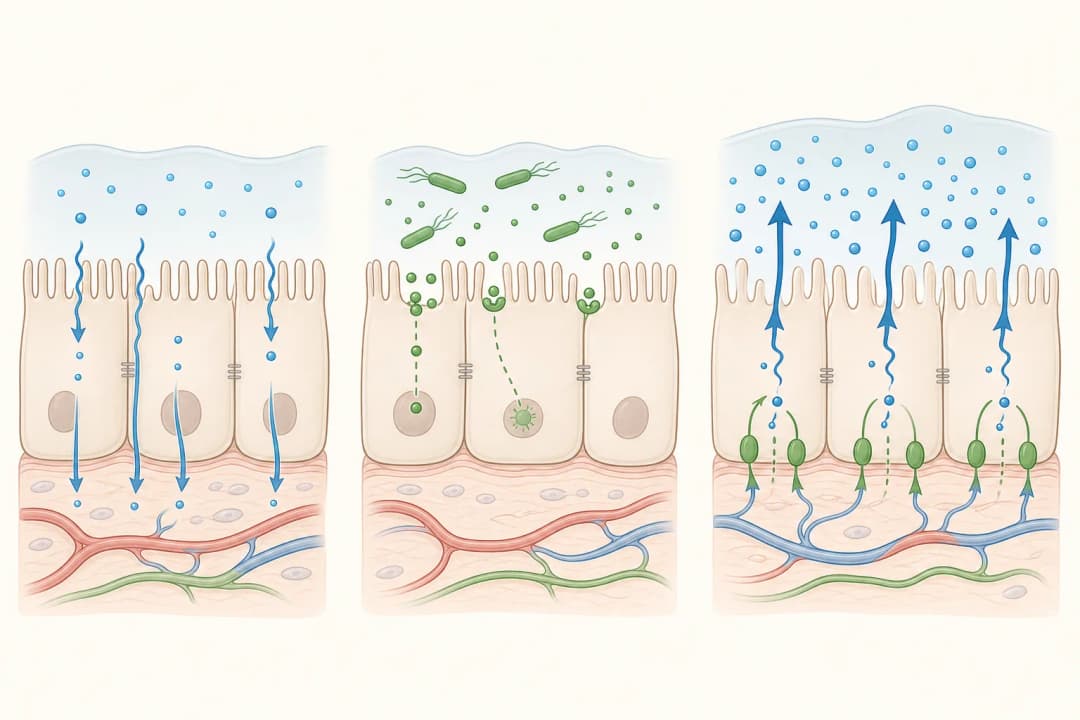
Cholera causes watery diarrhoea that can remove water and salts from the body rapidly. The main measure of improvement is steadier alertness, less thirst, better urine output and the ability to drink. Diarrhoea may settle after fluids replace losses, although energy can remain low for a while. Recovery is less predictable when dehydration was severe, vomiting continues, or another illness is present.
A person can still need assessment even if symptoms briefly ease. Follow-up helps check hydration, nutrition and whether diarrhoea is continuing. Read more about [Diarrhoea](/symptoms/diarrhoea/).
Steps that support recovery
Start medically recommended rehydration promptly. Oral rehydration solution replaces water and salts in a carefully balanced way; take frequent small sips if nausea makes drinking difficult. Severe dehydration may require [IV Fluid Therapy](/treatments/acute-and-urgent-care/iv-fluid-therapy/) in a healthcare setting. Continue the plan given by the treating team, resume suitable food as tolerated, and wash hands carefully after using the toilet. Do not rely on plain water alone when fluid losses are heavy.
When to seek urgent care
Seek urgent medical care for faintness, confusion, extreme thirst, very little urine, a fast heartbeat, cold or clammy skin, repeated vomiting, or inability to drink. A child, older adult, pregnant person, or someone with a long-term illness may become dehydrated quickly and needs a low threshold for assessment. Emergency help is also appropriate when watery diarrhoea is frequent or symptoms worsen despite rehydration.
Questions for your doctor
Ask which rehydration plan fits the current fluid loss, how to judge urine and alertness during recovery, when normal meals can resume, and whether testing or observation is needed if diarrhoea continues.
Find care
General Clinics & Polyclinics in Abu Dhabi
That answer is general. If you want it applied to your own case, these are licensed general clinics & polyclinics listed in Abu Dhabi.
27 Ar Ruwwad St - Shakhbout City - MSH4 - Abu Dhabi - United Arab Emirates
Accepts: Daman, Thiqa, Cigna, MetLife +20 more
Al Ruwais, Al Dhafrah
Accepts: Daman, Thiqa, AXA, Cigna +16 more
Al Bahyah - Al Bahyah Old - Abu Dhabi - United Arab Emirates
Accepts: Daman, Thiqa, Cigna, Allianz Care +18 more
Abu Dhabi
Accepts: Daman, Thiqa, AXA, Cigna +27 more
Ordered by verification status and how complete each clinic's public record is, then alphabetically. This is a directory listing, not a ranking — Zavis does not rate or recommend providers.
A factual listing drawn from the DHA, DOH and MOHAP licence registers. It is not a referral, an endorsement, or advice that any of these providers is right for you.
Questions people ask
Can cholera symptoms improve after rehydration?
Yes, fluid replacement can improve dehydration, but ongoing diarrhoea or vomiting still needs monitoring and may require further treatment.
Can weakness remain after cholera?
Yes. Weakness may persist while fluid balance, appetite and energy return; worsening weakness or poor urine output needs medical assessment.
Related
Related reading
Keep reading
Medical disclaimer. This page is general health information, not medical advice, and it cannot diagnose you. Always consult a licensed healthcare provider about your own symptoms and treatment. In an emergency in the UAE, call 998 for an ambulance.