
What should you know about cholera prevalence?
Short answer
Cholera occurs where contaminated water or food and limited sanitation allow the bacteria to spread, with illness ranging from mild to severe dehydration.
This answers one question. It is not a diagnosis and does not replace an assessment by a licensed doctor.
At a glance
- Key setting
- Unsafe water, food, or sanitation
- Typical concern
- Fluid and salt loss from watery diarrhoea
- Practical protection
- Treated water and careful hand hygiene
Understanding exposure
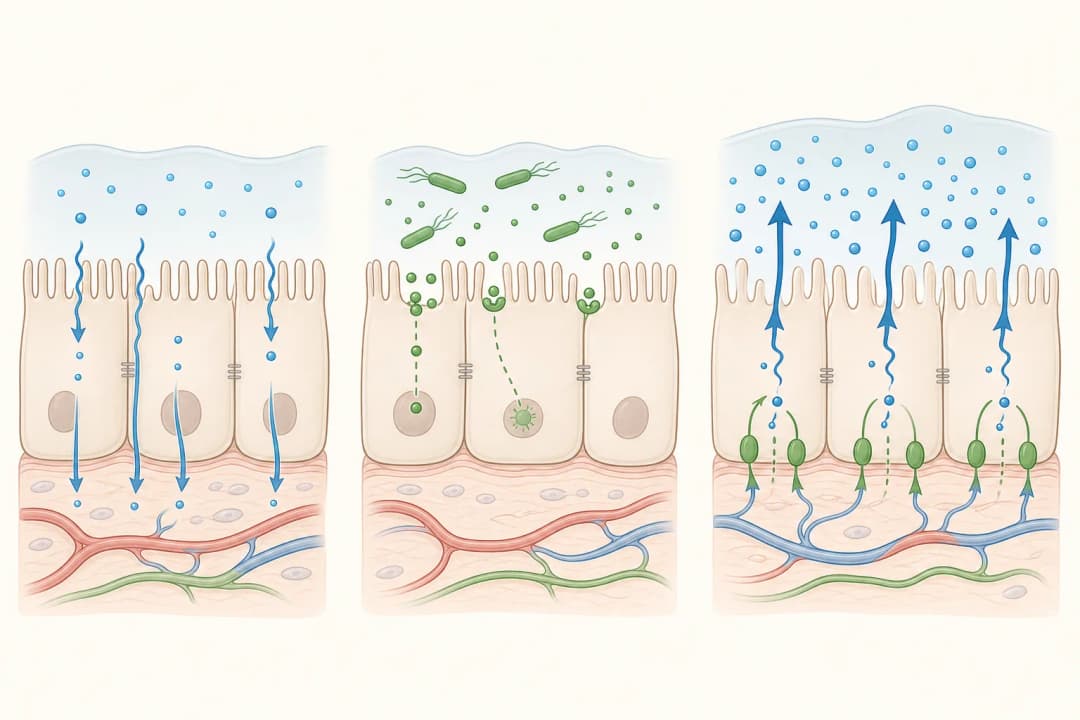
Cholera is more likely to appear in communities or settings where drinking water, sewage disposal, hand hygiene, or food safety are disrupted. Outbreaks can follow flooding, displacement, infrastructure damage, or interruption of usual water services. Travel to an affected area can create exposure, but simply visiting a place does not diagnose cholera. Many infected people have few symptoms, while others develop abrupt watery diarrhoea and vomiting. The condition presents through intestinal fluid loss, so the number of known cases in a community does not tell you how severe one person’s illness will become.
Reducing your exposure
Drink water that has been treated, sealed, or boiled safely, and use it for brushing teeth and making ice. Eat food that is thoroughly cooked and served hot; wash or peel produce yourself. Clean hands with soap after toileting and before eating or preparing food. If someone in your home develops watery diarrhoea, separate towels and utensils where possible, clean contaminated surfaces, and arrange medical advice promptly. Oral rehydration can begin while help is being arranged, but it does not replace assessment when fluid loss is substantial.
When to seek care
Contact a clinician quickly after sudden watery diarrhoea if you have recently been in an area with unsafe water, shared food with someone ill, or experienced a disruption to sanitation. Go for urgent assessment if you cannot keep fluids down, feel faint or confused, pass very little urine, or become unusually weak. Severe dehydration can develop before you feel ready to travel, so ask someone to accompany you if you are dizzy. Children and frail adults need a lower threshold for prompt evaluation.
Questions for your doctor
Ask whether your recent travel or water exposure changes the need for testing, which fluids to use, and how long to take precautions at home. Clarify which symptoms should prompt IV fluid therapy and how to care for close contacts.
Find care
General Clinics & Polyclinics in Abu Dhabi
That answer is general. If you want it applied to your own case, these are licensed general clinics & polyclinics listed in Abu Dhabi.
27 Ar Ruwwad St - Shakhbout City - MSH4 - Abu Dhabi - United Arab Emirates
Accepts: Daman, Thiqa, Cigna, MetLife +20 more
Al Ruwais, Al Dhafrah
Accepts: Daman, Thiqa, AXA, Cigna +16 more
Al Bahyah - Al Bahyah Old - Abu Dhabi - United Arab Emirates
Accepts: Daman, Thiqa, Cigna, Allianz Care +18 more
Abu Dhabi
Accepts: Daman, Thiqa, AXA, Cigna +27 more
Ordered by verification status and how complete each clinic's public record is, then alphabetically. This is a directory listing, not a ranking — Zavis does not rate or recommend providers.
A factual listing drawn from the DHA, DOH and MOHAP licence registers. It is not a referral, an endorsement, or advice that any of these providers is right for you.
Questions people ask
Does cholera occur only in one region?
No. It can occur wherever contaminated water or food allows transmission, especially when sanitation systems are disrupted.
Can a person have cholera without severe symptoms?
Yes. Infection may cause mild illness or few symptoms, but watery diarrhoea should still be managed carefully because dehydration can progress.
Related
Related reading
Keep reading
Medical disclaimer. This page is general health information, not medical advice, and it cannot diagnose you. Always consult a licensed healthcare provider about your own symptoms and treatment. In an emergency in the UAE, call 998 for an ambulance.