
What should you know about cholera organism?
Short answer
The cholera organism is Vibrio cholerae, a bacterium that can cause severe watery diarrhoea and rapid dehydration.
This answers one question. It is not a diagnosis and does not replace an assessment by a licensed doctor.
At a glance
- Organism
- Vibrio cholerae
- Entry route
- Swallowing contaminated food or water
- Main effect
- Rapid intestinal fluid and salt loss
What the organism does
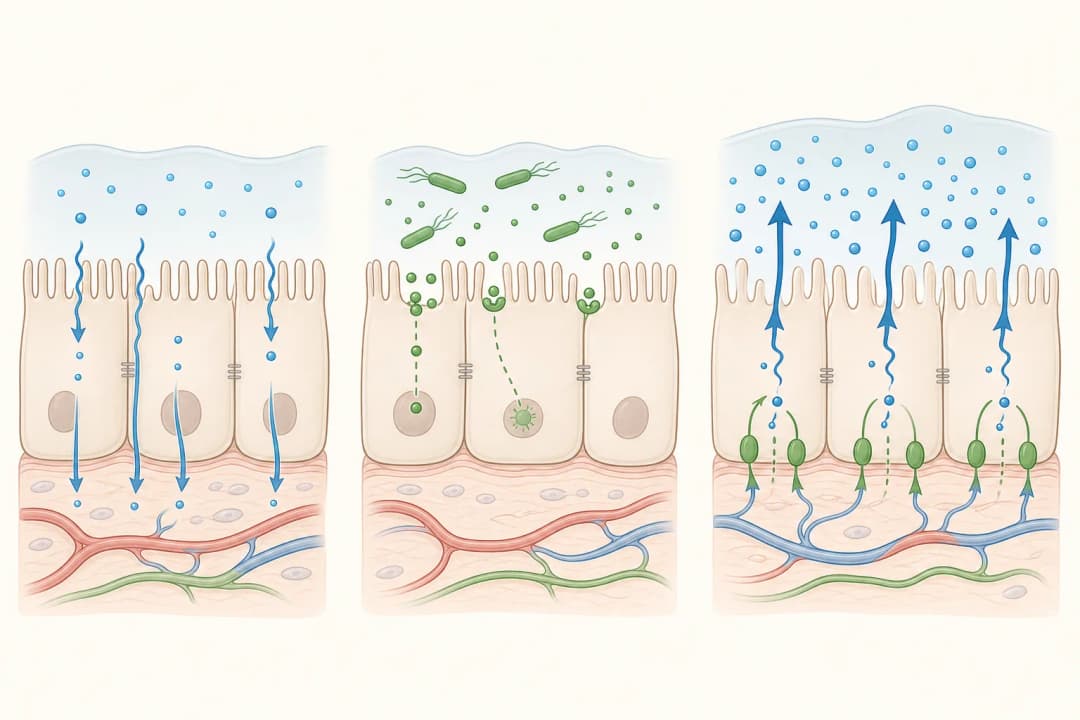
Vibrio cholerae can live in contaminated water or food and enter the body when swallowed. In the intestine, certain strains produce a toxin that drives the movement of water and salts into the bowel. This can lead to large-volume watery [Diarrhoea](/symptoms/diarrhoea/) and vomiting. The immediate medical concern is the resulting loss of fluid and electrolytes, not simply the presence of the bacterium.
What to do if infection is suspected
Arrange prompt medical assessment and begin a suitable oral rehydration solution if the person can swallow safely. Continue offering frequent sips while seeking care. A clinician may assess hydration and arrange testing. [Oral Rehydration Therapy](/treatments/acute-and-urgent-care/oral-rehydration-therapy/) replaces water and salts; [IV Fluid Therapy](/treatments/acute-and-urgent-care/iv-fluid-therapy/) may be required when dehydration is severe or oral intake fails. Handwashing and safe food handling help reduce transmission.
When to seek urgent care
Seek emergency care for fainting, confusion, profound weakness, repeated vomiting, very little urine, cold or clammy skin, or inability to drink. Rapid fluid loss can worsen before the person recognises thirst. Young children, older adults, pregnant people, and people with chronic conditions need a low threshold for urgent evaluation.
Questions for your doctor
Ask whether testing is needed, how the infection may have been acquired, which fluids to use, whether close contacts need advice, and which changes require immediate return.
Find care
General Clinics & Polyclinics in Abu Dhabi
That answer is general. If you want it applied to your own case, these are licensed general clinics & polyclinics listed in Abu Dhabi.
27 Ar Ruwwad St - Shakhbout City - MSH4 - Abu Dhabi - United Arab Emirates
Accepts: Daman, Thiqa, Cigna, MetLife +20 more
Al Ruwais, Al Dhafrah
Accepts: Daman, Thiqa, AXA, Cigna +16 more
Al Bahyah - Al Bahyah Old - Abu Dhabi - United Arab Emirates
Accepts: Daman, Thiqa, Cigna, Allianz Care +18 more
Abu Dhabi
Accepts: Daman, Thiqa, AXA, Cigna +27 more
Ordered by verification status and how complete each clinic's public record is, then alphabetically. This is a directory listing, not a ranking — Zavis does not rate or recommend providers.
A factual listing drawn from the DHA, DOH and MOHAP licence registers. It is not a referral, an endorsement, or advice that any of these providers is right for you.
Questions people ask
Is every Vibrio cholerae exposure an emergency?
The level of urgency depends on symptoms and hydration, but watery diarrhoea with fluid loss needs prompt medical attention.
How is cholera commonly acquired?
The organism is usually swallowed in contaminated water or food, especially where sanitation and water treatment are unsafe.
Related
Related reading
Keep reading
Medical disclaimer. This page is general health information, not medical advice, and it cannot diagnose you. Always consult a licensed healthcare provider about your own symptoms and treatment. In an emergency in the UAE, call 998 for an ambulance.