
What should you know about cholera morbus?
Short answer
Cholera morbus is an old term that has been used for severe vomiting and diarrhoea; modern care focuses on identifying the cause and replacing dangerous fluid and salt losses.
This answers one question. It is not a diagnosis and does not replace an assessment by a licensed doctor.
At a glance
- Term type
- Historical wording
- Symptoms described
- Severe vomiting and diarrhoea
- Modern priority
- Assess cause and correct dehydration
What the term means
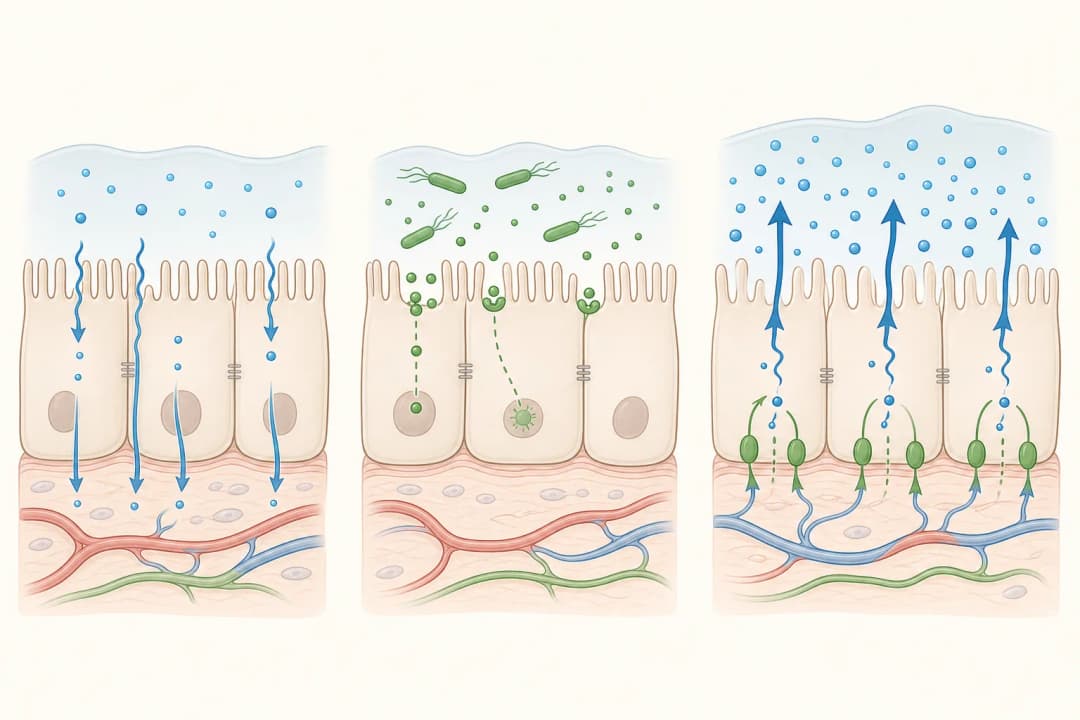
Historical medical writing used “cholera morbus” for an acute gastrointestinal illness, and the wording may still appear in older records or searches. It is not a modern treatment plan and does not, by itself, tell you whether the illness is caused by Vibrio cholerae, another infection, contaminated food, or a non-infectious problem.
The practical issue is the pattern and severity of symptoms. Sudden watery diarrhoea and vomiting can drain water and electrolytes quickly, so the person’s hydration and general condition need attention. Use [Diarrhoea](/symptoms/diarrhoea/) for related symptom information.
What to do now
Use a correctly prepared oral rehydration solution and offer frequent small sips when the person is able to drink. Keep food and drinking water hygienic, wash hands carefully, and avoid sharing towels or preparing food for others while infectious diarrhoea is possible. Medical advice is needed to clarify the cause and treatment.
If vomiting prevents drinking or dehydration is advanced, a healthcare team may use [IV Fluid Therapy](/treatments/acute-and-urgent-care/iv-fluid-therapy/). For someone who can drink, [Oral Rehydration Therapy](/treatments/acute-and-urgent-care/oral-rehydration-therapy/) can replace water and salts.
When to seek care
Seek emergency help for fainting, confusion, unusual drowsiness, severe dizziness, very little urine, inability to drink, or persistent vomiting. Arrange prompt assessment for repeated watery diarrhoea, worsening weakness, blood in stool, or illness in a baby, older adult, pregnant person, or someone with a chronic condition.
Questions for your doctor
Ask whether the historical term matches your current symptoms, whether a stool assessment is needed, how much rehydration to give, and what changes mean you should return urgently.
Find care
General Clinics & Polyclinics in Abu Dhabi
That answer is general. If you want it applied to your own case, these are licensed general clinics & polyclinics listed in Abu Dhabi.
27 Ar Ruwwad St - Shakhbout City - MSH4 - Abu Dhabi - United Arab Emirates
Accepts: Daman, Thiqa, Cigna, MetLife +20 more
Al Ruwais, Al Dhafrah
Accepts: Daman, Thiqa, AXA, Cigna +16 more
Al Bahyah - Al Bahyah Old - Abu Dhabi - United Arab Emirates
Accepts: Daman, Thiqa, Cigna, Allianz Care +18 more
Abu Dhabi
Accepts: Daman, Thiqa, AXA, Cigna +27 more
Ordered by verification status and how complete each clinic's public record is, then alphabetically. This is a directory listing, not a ranking — Zavis does not rate or recommend providers.
A factual listing drawn from the DHA, DOH and MOHAP licence registers. It is not a referral, an endorsement, or advice that any of these providers is right for you.
Questions people ask
Is cholera morbus the same as modern cholera?
Not necessarily. It is an older, broad term, so a clinician must assess the current illness rather than relying on the label.
Why is rehydration urgent?
Vomiting and watery diarrhoea can remove water and salts quickly, leading to dizziness, reduced urine, confusion, or collapse.
Related
Related reading
Keep reading
Medical disclaimer. This page is general health information, not medical advice, and it cannot diagnose you. Always consult a licensed healthcare provider about your own symptoms and treatment. In an emergency in the UAE, call 998 for an ambulance.